Imagine asking your data warehouse a question like you would ask a colleague, and getting back not just a chart, but a written explanation of what the numbers mean for next quarter. That isn't science fiction anymore; it's the current reality for Natural Language Business Intelligence (BI) teams. By late 2024, 60% of organizations investing in AI had already deployed generative solutions, with analytics teams leading the charge because the productivity gains are immediate and measurable.
This shift is driven by Generative AI, which allows non-technical users to interact with complex datasets using plain English. Instead of writing SQL queries or dragging fields into a dashboard builder, analysts and executives can type questions like "Why did sales drop in the Northeast last month?" and receive an Insight Narrative-a clear, human-readable summary that explains the cause and suggests actions. This article breaks down how these tools work, where they excel, and the hidden pitfalls you need to watch out for before rolling them out across your organization.
The Core Value Proposition: Democratizing Data Access
Traditional BI has always suffered from a bottleneck: the gap between those who have questions and those who can answer them. Historically, answering a business question required a skilled analyst to write code, pull data, and build a visualization. This process often took days. Natural Language BI eliminates this friction. It reduces query complexity from requiring deep SQL expertise to simple conversational prompts.
The impact on time-to-insight is dramatic. IBM reports that generative AI can cut data preparation time-which traditionally consumes 50 to 70 percent of an analyst’s day-from hours to minutes. For routine reporting, this means a task that used to take eight hours weekly might now take forty-five minutes. But the real magic lies in Insight Narratives. These aren't just auto-generated captions; they are contextual explanations. If revenue spikes, the system doesn't just show a green arrow; it explains that the spike correlates with a specific marketing campaign launch, allowing executives to understand the "why" without needing a data science degree.
How It Works Under the Hood
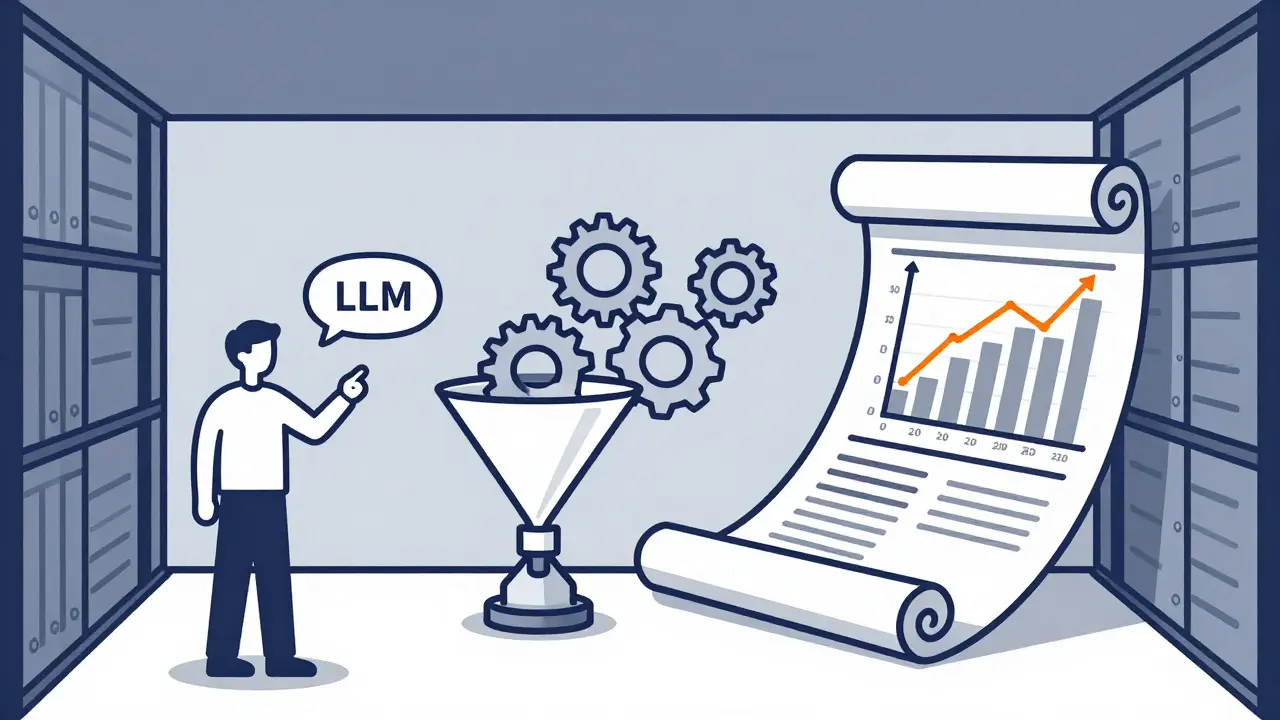
Technically, these systems rely on Large Language Models (LLMs) integrated directly with your data warehouse via APIs. Microsoft uses Azure OpenAI Service to power Power BI Copilot, while Tableau leverages Salesforce’s proprietary models for its Einstein Copilot. The process involves translating natural language into structured queries (like SQL), executing them against the database, and then using another layer of AI to interpret the results into text.
However, accuracy varies. Independent testing by TDWI shows that natural language to SQL translation accuracy rates hover between 82% and 93%. While high, this isn't perfect. Complex cross-dataset analyses see accuracy drop to 78%, compared to 92% for expert human analysts. Furthermore, ambiguity is a major hurdle. Current systems require an average of 2.3 follow-up clarifications per complex query. If you ask, "Show me top performers," the AI needs to know if you mean top sales, top profit margin, or top customer satisfaction. Without clear metadata and business definitions, the AI guesses, and sometimes it guesses wrong.
Market Leaders and Key Differentiators
The market is currently dominated by three major players, each with distinct strengths and weaknesses. Choosing the right tool depends heavily on your existing tech stack and specific use cases.
| Platform | Market Adoption | Key Strength | Limitation |
|---|---|---|---|
| Microsoft Power BI Copilot | 34% (Fortune 500) | Seamless integration with Microsoft ecosystem; high user familiarity. | Limited customization options; requires strict data governance. |
| Tableau Einstein Copilot | 22% | Excels in retail/e-commerce verticals with specialized templates. | 15% lower NL query accuracy than competitors in benchmarks. |
| Qlik Insight Advisor | 18% | Superior data storytelling capabilities; strong associative engine. | Requires 30% more training data for optimal performance. |
| Arria NLG | 7% | 98% accuracy in regulatory report generation. | Lacks broad BI integration; niche focus limits enterprise scale. |
Microsoft Power BI Copilot leads the pack largely due to ubiquity. If your company runs on Windows and Office, adoption is easy. However, Tableau’s Einstein Copilot offers better visual exploration features, though it struggles slightly more with precise natural language understanding. For highly regulated industries like finance, specialized tools like Arria NLG offer higher precision for compliance reports but lack the interactive dashboarding capabilities of the big three.
Implementation Roadmap and Common Pitfalls
Rolling out Natural Language BI isn't a plug-and-play affair. Successful adoption typically follows a structured path lasting 4-6 weeks. This period isn't just about installing software; it's about preparing your data environment. You need clean metadata and comprehensive data dictionaries. If your internal term "Active User" means different things to Marketing and Product, the AI will be confused.
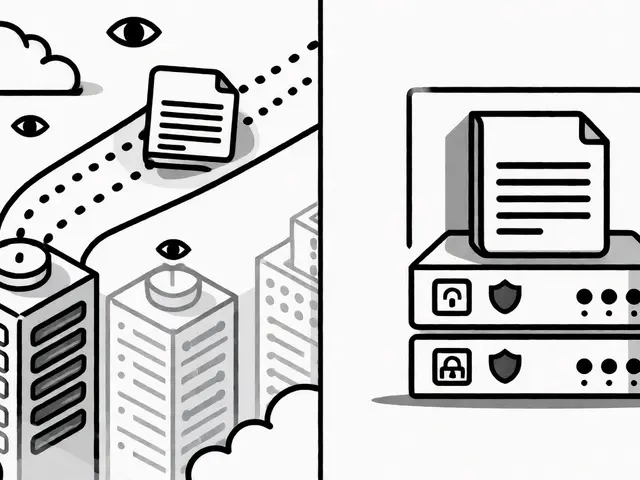
A critical step often overlooked is security configuration. Since these tools allow anyone to ask any question, you must ensure row-level security is enforced at the query level. Otherwise, an intern might accidentally see executive salary data simply by asking the right question.
- Data Governance: Ensure all business terms are defined in the semantic layer. Ambiguity here causes hallucination risks later.
- Prompt Engineering Training: 68% of organizations now require analytics staff to complete certified prompt engineering training. Knowing how to phrase a question matters as much as knowing SQL.
- Validation Workflows: Expect to spend 30-40% of your analytics team’s time verifying AI outputs initially. Trust is earned through consistency.
The Human Element: Role Shifts and Resistance
There is a fear among traditional BI professionals that Generative AI will replace them. The data suggests otherwise. While 41% of enterprises experienced initial resistance from BI teams concerned about role displacement, those who adapted found their roles evolving rather than disappearing. Analysts are shifting from "query writers" to "data curators" and "insight validators."
User feedback highlights this duality. On platforms like G2 Crowd, Power BI Copilot holds a 4.6/5 rating, with users praising the speed. One director noted reduced reporting time from 8 hours to 45 minutes. However, negative reviews consistently cite inaccurate narratives when business context isn't configured correctly. A senior data scientist on Reddit summed it up well: "Copilot helped my non-technical team members get answers they previously had to wait weeks for, but I now spend 30% of my time verifying AI outputs."
This verification burden is real. MIT research indicates that 23% of executives misinterpret AI-generated narratives without verification. Over-reliance on automated insights can create blind spots. The best approach is treating the AI as a junior analyst: fast, eager, but prone to mistakes that require senior review.
Future Trends: Agentic Systems and Multimodal Analytics
We are moving beyond simple Q&A. Microsoft announced "agentic business applications" in late 2024, where AI agents don't just answer questions but plan and act. Imagine an agent that notices inventory levels dropping, predicts a stockout, and automatically drafts a purchase order for approval. McKinsey reports that 23% of organizations are already scaling agentic AI systems.
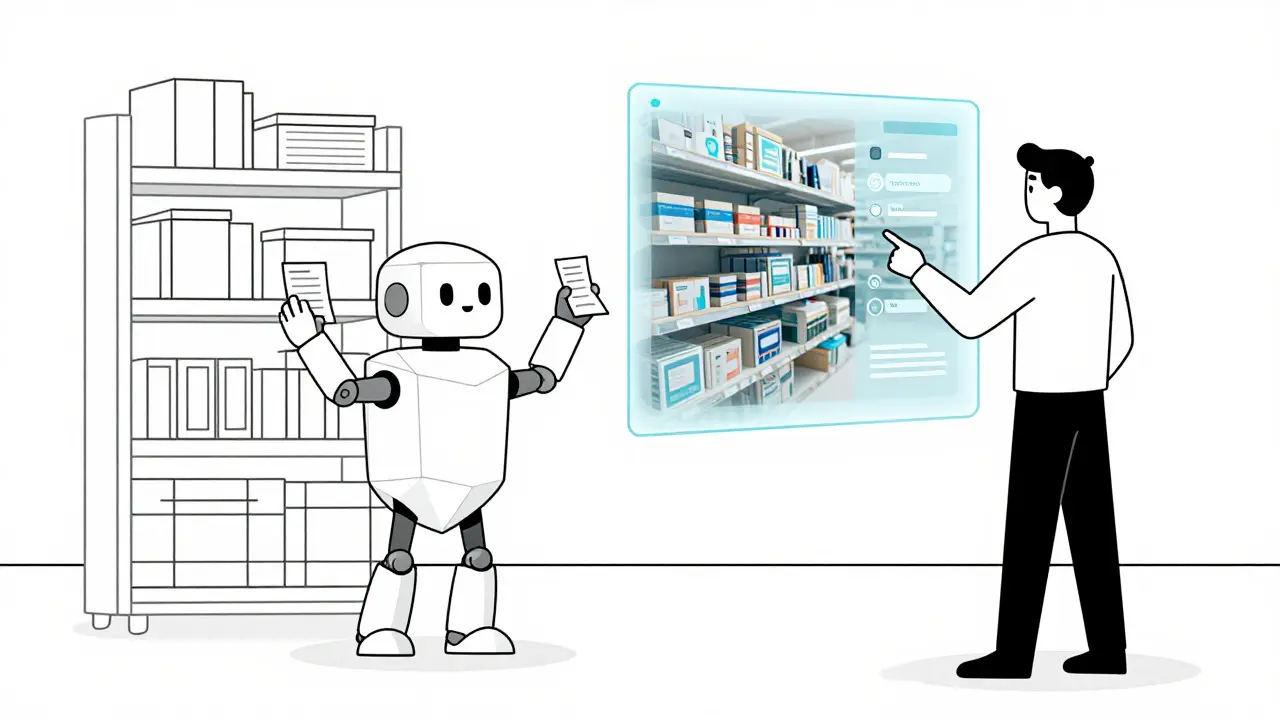
By 2026, we expect Multimodal Analytics to become mainstream. This means Natural Language BI systems will incorporate image and video analysis. You could upload a photo of a store shelf and ask, "Is this display compliant with our new brand guidelines?" Gartner predicts 35% of enterprise analytics will include visual data interpretation by 2027.
Yet, challenges remain. Data privacy is the top concern for 38% of organizations. As AI models ingest more sensitive corporate data, governance frameworks must evolve rapidly. Currently, 62% of enterprises are developing specific governance rules for AI-generated insights to address compliance in regulated industries.
Frequently Asked Questions
Can Natural Language BI replace data analysts?
No, it shifts their role. Analysts move from writing repetitive SQL queries to validating AI outputs, managing data governance, and solving complex predictive modeling problems that AI still handles less accurately (78% vs 92% for humans). The demand for domain expertise increases, not decreases.
What is the biggest risk of using Insight Narratives?
Hallucination and misinterpretation. AI can generate plausible-sounding but factually incorrect explanations if the underlying data context is ambiguous. MIT studies show 23% of executives misinterpret AI narratives without verification, so human oversight remains critical.
How long does it take to implement Natural Language BI?
Initial setup typically takes 4-6 weeks. This includes configuring data governance, enriching metadata, setting up security protocols, and training users. Business users usually achieve proficiency within 14 hours of hands-on experience.
Which platform is best for retail companies?
Tableau’s Einstein Copilot is often preferred for retail and e-commerce due to its specialized retail analytics templates and strong visual exploration features, despite having slightly lower natural language accuracy scores compared to Microsoft Power BI.
Do I need to know SQL to use these tools?
For end-users, no. The core promise is querying data in plain English. However, for administrators and analysts building the semantic layers and troubleshooting errors, SQL knowledge is still valuable for debugging and optimizing performance.
 Artificial Intelligence