
PCables AI Interconnects
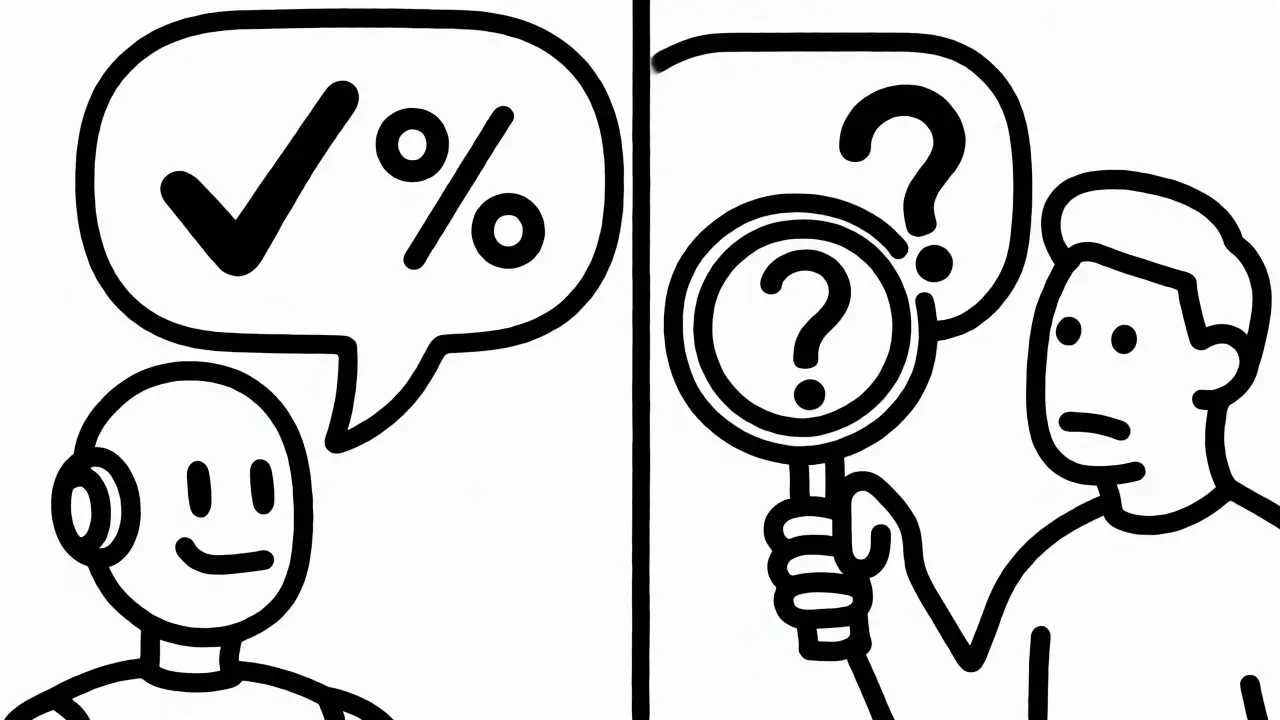
Learn how to align AI confidence with accuracy to reduce hallucinations. Discover CGM frameworks, verbalized confidence, and practical calibration strategies.
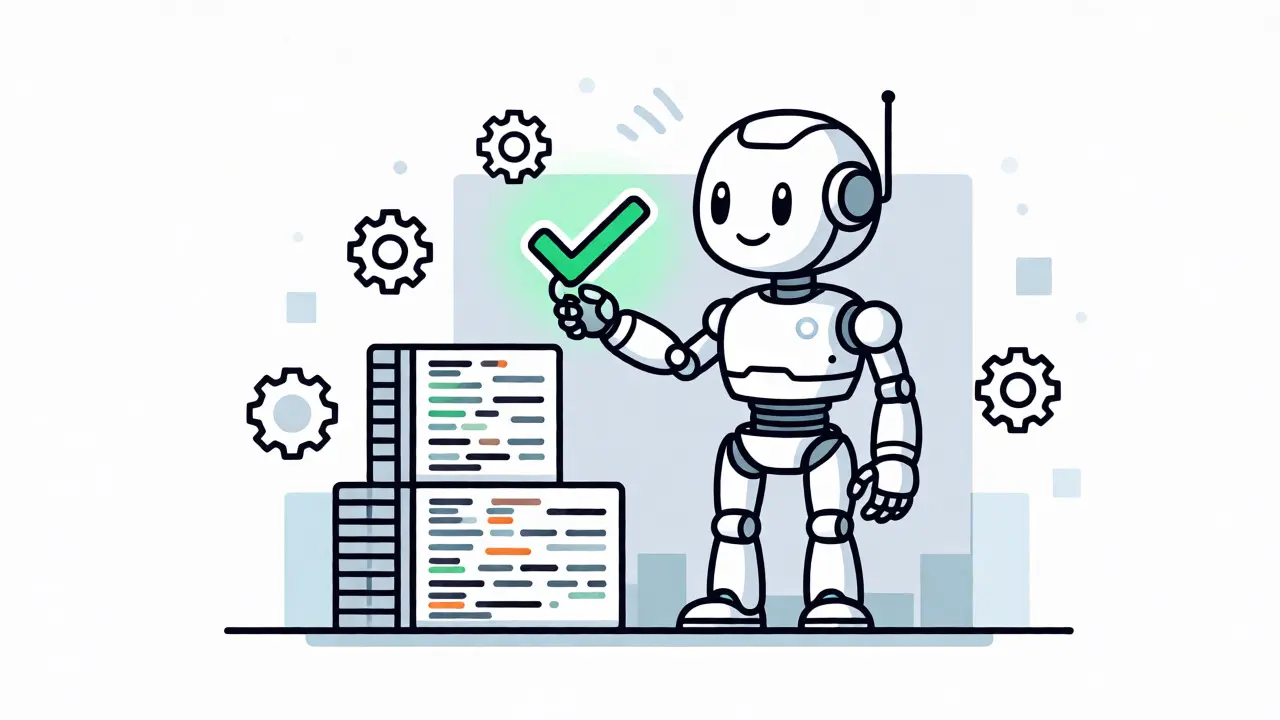
Discover how HumanEval revolutionized LLM code testing by shifting focus from text similarity to functional correctness. Learn about pass@k metrics, benchmark comparisons, and why execution-based evaluation remains the gold standard for AI programming.
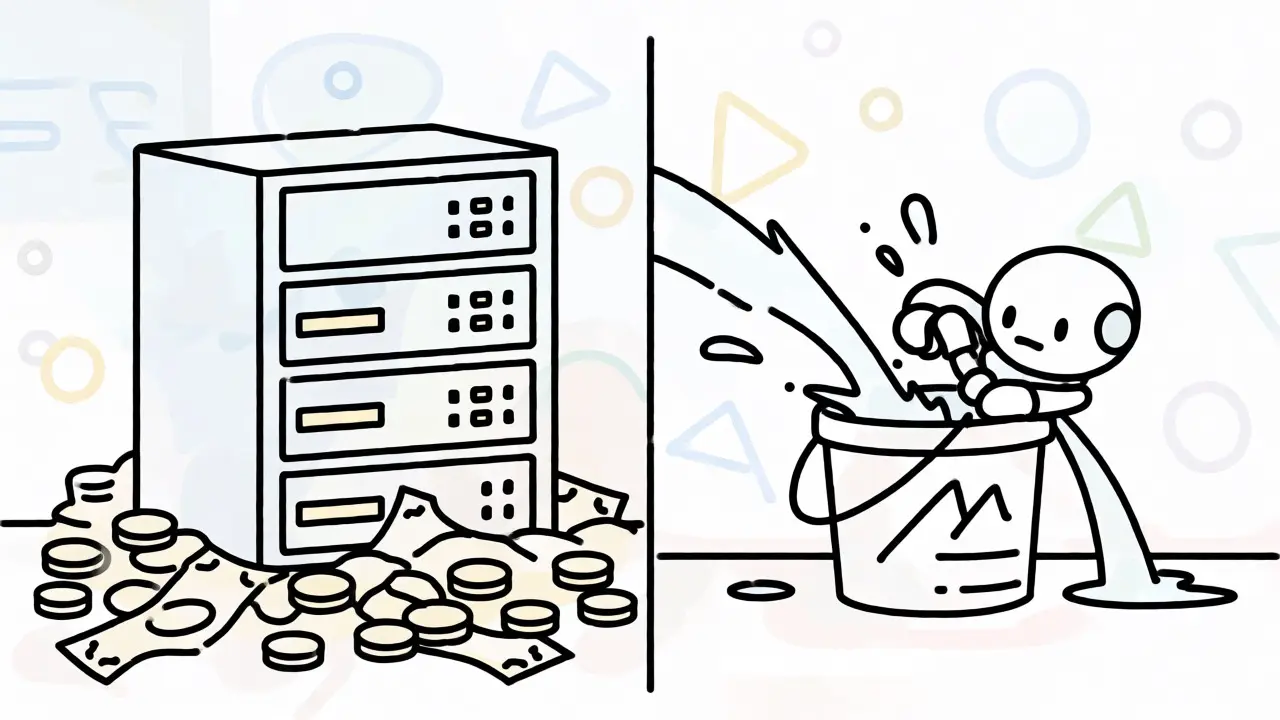
Learn how to optimize LLM training with effective validation and early stopping. Discover metrics like perplexity, handle data shifts, and avoid costly overfitting.
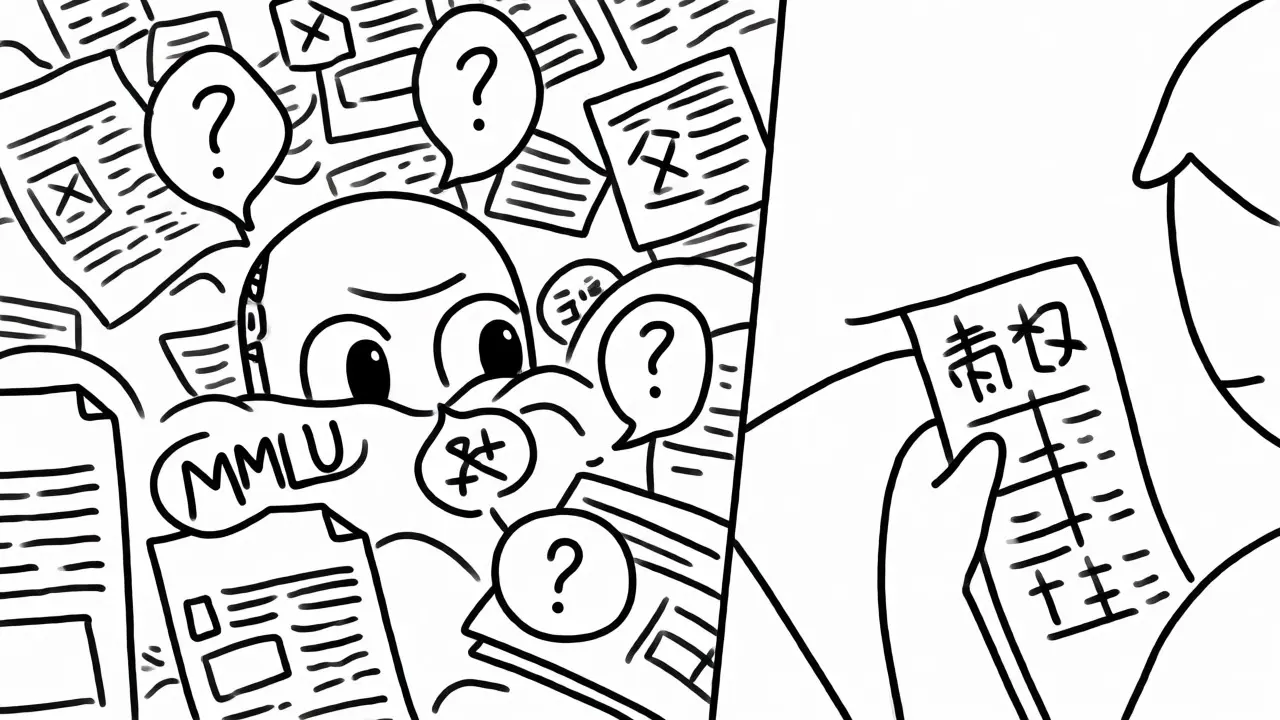
Discover why LLM benchmark scores are often inflated by test set leakage. Learn how data contamination affects MMLU and HumanEval results, explore detection methods like TS-Guessing, and understand the critical shift toward private, decontaminated benchmarks for accurate AI evaluation.

Explore how to manage skyrocketing LLM compute budgets. Learn practical strategies for scaling roadmaps, choosing hardware, and optimizing inference costs.

Discover practical strategies to manage latency in production RAG pipelines. Learn how vector database selection, intent classification, and streaming responses can cut response times from seconds to milliseconds.
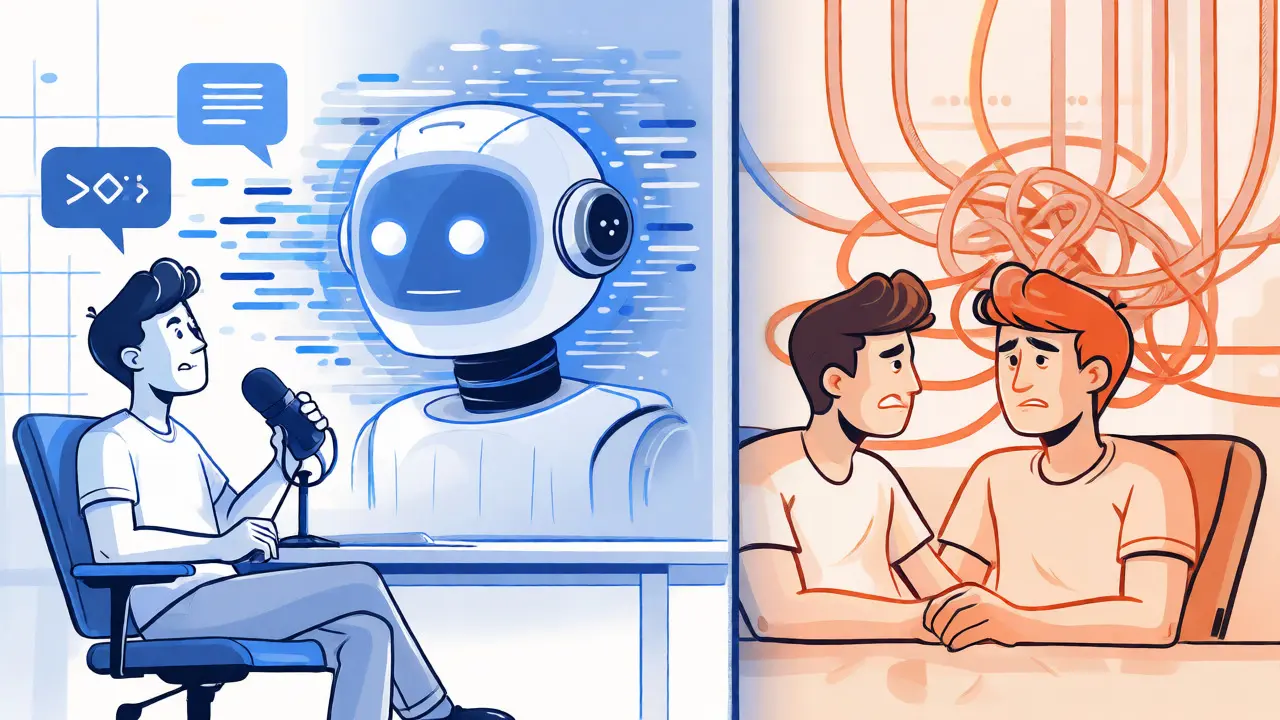
Discover the real impact of vibe coding on developer productivity. We analyze data showing why the 74% speedup claim is misleading and how experience level affects results.

Discover how continuous vibe coding uses AI agents in autonomous loops to build, test, and deploy code. Learn about loop engineering, safety stops, and integrating production feedback to boost dev velocity.
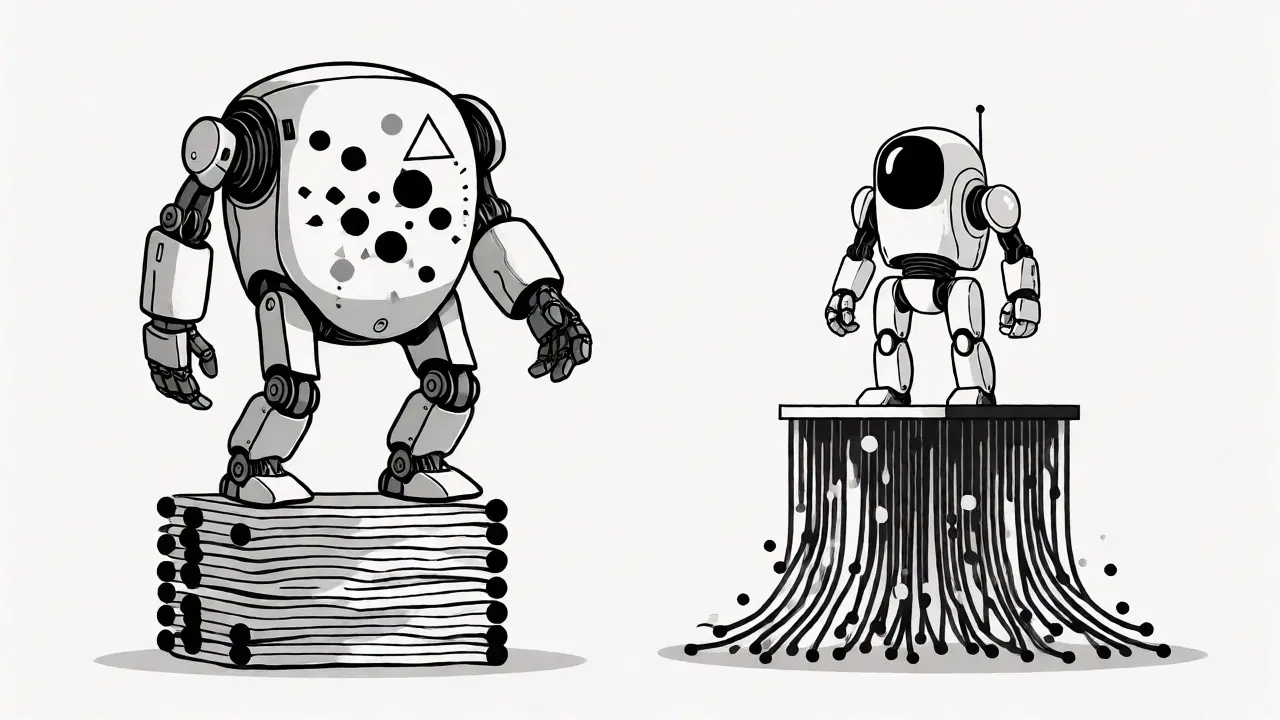
Discover why LLM scaling laws fail in real-world scenarios. Learn how Chinchilla corrected compute allocation, why overtraining beats efficiency, and why RL and safety don't scale linearly.
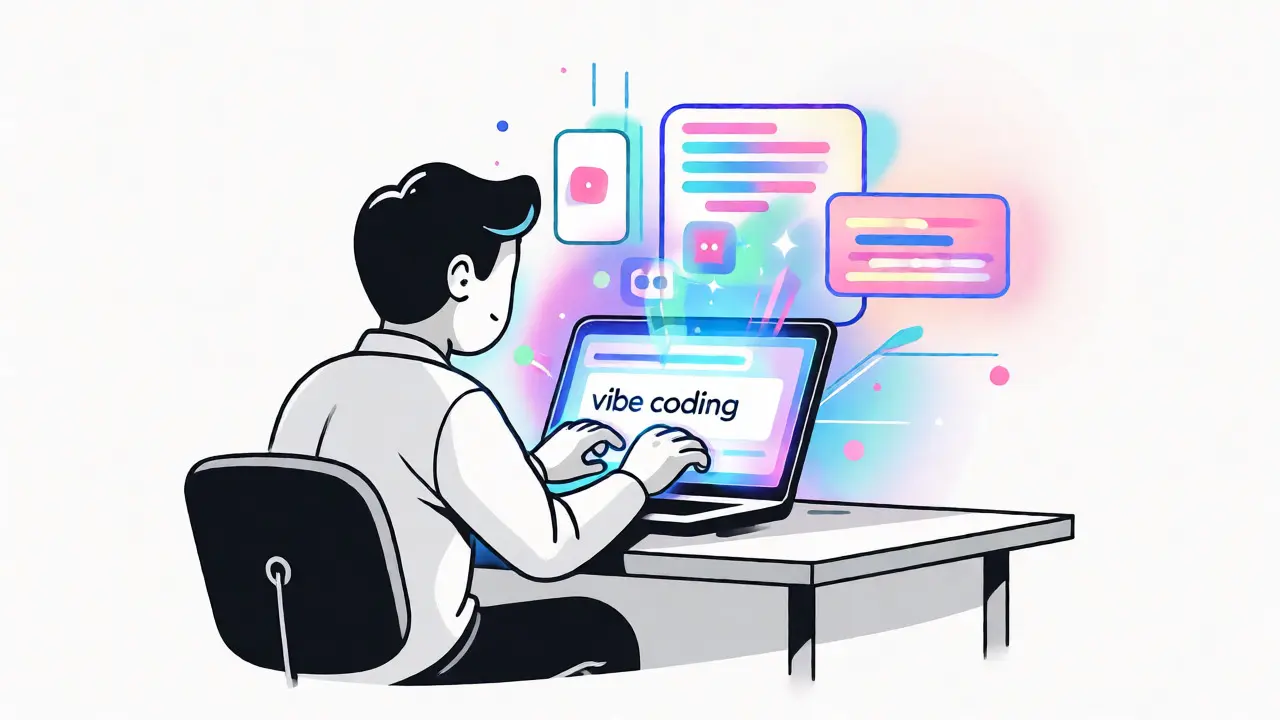
Compare Cursor, Replit, Lovable, and GitHub Copilot to find the best vibe coding tool for your workflow. Discover key differences in speed, control, and pricing.

Discover why AI-generated code requires a 'guilty until proven secure' policy. Learn how to build a zero-trust framework for teams, balancing speed with security.

Discover how architectural standards prevent vibe coding chaos. Learn the five pillars of AI-friendly design, reference architectures, and governance strategies to keep your AI-generated code maintainable and secure.
Categories
 Artificial Intelligence
Archives
Recent-posts
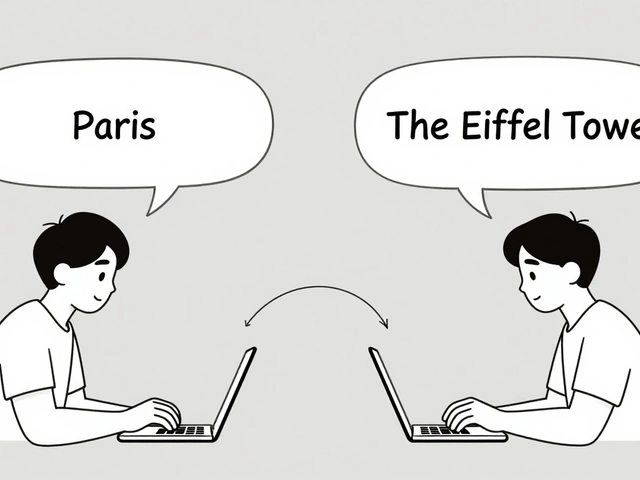
Prompt Sensitivity in Large Language Models: Why Small Word Changes Change Everything
Oct, 12 2025

Human-in-the-Loop for Generative AI: How to Catch Hallucinations Before They Hit Users
May, 15 2026

Productivity Baselines Before Generative AI: Designing Fair Comparisons
Jun, 4 2026

Colorado SB24-205 Guide: AI Impact Assessments and Risk Management
Apr, 16 2026

Guardrails Against Fabricated Citations in Generative AI
Sep, 9 2026