
What Is Vibe Coding, Really?
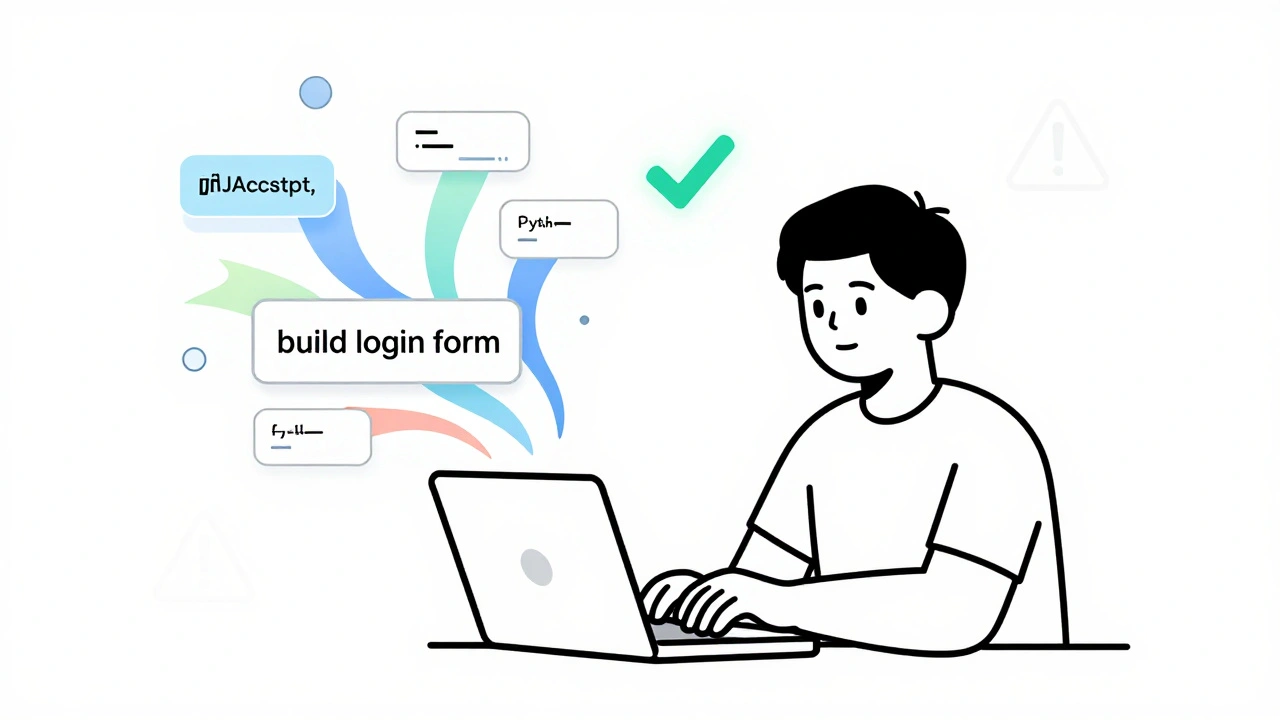
Forget writing code line by line. Vibe coding is when you type a simple description like "build a login form that remembers users" and let an AI tool like GitHub Copilot or Amazon CodeWhisperer generate the whole thing for you. No syntax errors. No boilerplate. Just results. It’s not magic-it’s LLMs trained on millions of public codebases, now good enough to spit out working JavaScript, Python, or Java on demand. By early 2025, over 1.5 million developers were using these tools daily, and startups were shipping features in hours that used to take weeks.
But here’s the catch: the code works… most of the time. In simple tasks, AI-generated code gets it right 87% of the time. For complex business logic-like payment flows or user permissions-that number drops to 43%. And when it fails, it doesn’t just break. It hides. Vulnerabilities sneak in: hardcoded passwords, missing input checks, insecure API calls. One study found 68% of AI-generated code had security flaws that slipped past standard scanners. That’s not a bug. That’s a time bomb.
The Speed Advantage: Why Teams Are Jumping In
Startups don’t have time to wait. In 2025, 92% of seed-stage companies used vibe coding to build prototypes. A Fortune 500 retailer cut internal tool development time by 6.8x. An e-commerce team reduced prototype cycles by 73%. Junior devs were producing 82% of what seniors used to do-just by asking the right questions.
It’s not just about writing faster. It’s about thinking differently. Instead of getting stuck on syntax, developers focus on what the feature should do. Want a dashboard that shows real-time inventory? Describe it. Want a chatbot that handles returns? Prompt it. The barrier to building drops dramatically. That’s why GitHub Copilot has a 4.6/5 rating from over 1,800 users. It works. For the right job.
But speed without structure is just noise. One Reddit user bragged about shipping a checkout flow in three hours. Three months later, they spent $475,000 fixing it. Why? Because the code was never reviewed. No tests. No audit trail. No ownership. It looked good. Until it didn’t.
The Hidden Costs: Technical Debt and Compliance Nightmares
AI doesn’t care about clean architecture. It doesn’t know your company’s compliance rules. It doesn’t remember that your finance team needs every line of code logged for SOX audits. In financial services, companies using vibe coding saw 2.3x more compliance violations during audits. One JPMorgan developer said their team rejected 92% of AI-generated submissions-not because the code was wrong, but because there was no way to trace who wrote it or why.
And it’s not just finance. In healthcare, a medical device startup used AI to generate a control algorithm. The FDA flagged 17 critical gaps. The whole thing had to be rewritten from scratch. That’s not a setback. That’s a product recall waiting to happen.
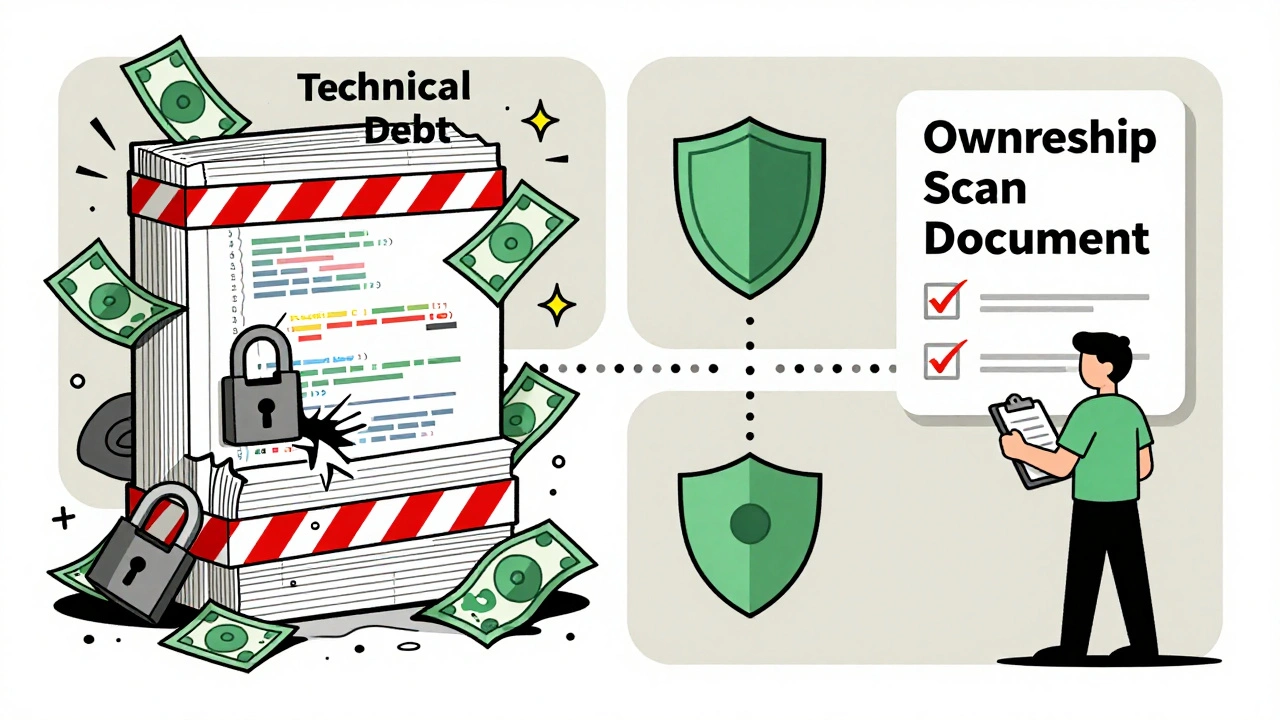
Technical debt piles up fast. Projects built with vibe coding require 2.8x more refactoring after six months. Why? Because the AI doesn’t understand context. It copies patterns from random GitHub repos. You get a function that works today, but breaks when the API changes next quarter. No one remembers who wrote it. No one knows how to fix it. The code becomes a black box-and black boxes don’t scale.
Who Shouldn’t Use Vibe Coding (And Why)
If you’re building a landing page for a startup pitch? Go ahead. Vibe coding is perfect.
If you’re writing code that controls a pacemaker, processes payroll, or handles customer PII? Don’t.
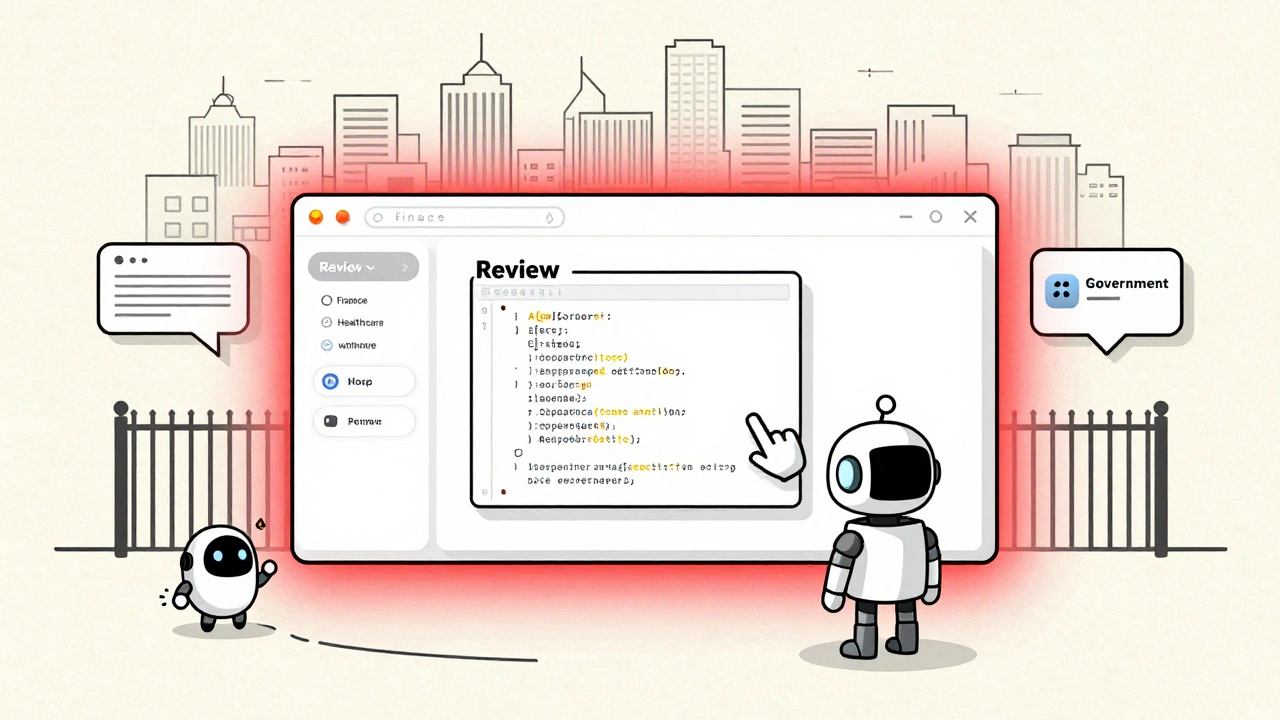
Regulated industries-healthcare, finance, government-are being hit hard by this trend. The EU’s AI Act, effective January 2026, requires “demonstrable human oversight” for AI-generated code in critical systems. The SEC now demands full audit trails for any financial system using AI assistance. Companies that ignored this are getting fined. Others are pulling back.
Even within tech, vibe coding fails in complex systems. Traditional development still wins on long-term maintainability-by 37%. Why? Because it forces you to understand what you’re building. AI removes that discipline. And discipline is what keeps systems alive for years.
How to Use Vibe Coding Without Burning Down Your Company
You don’t need to ban it. You need to govern it.
Here’s what works:
- Assign ownership. Every vibe-coded feature needs one person responsible. Not “the team.” Not “the AI.” One person. They review every line. They sign off. They answer when it breaks.
- Use native governance tools. GitHub Copilot Enterprise and Amazon CodeWhisperer now have built-in security scanning. Enable it. Don’t rely on third-party tools. The integration is tighter. The feedback is faster.
- Define your Red Zone. The moment a vibe-coded component touches real data-customer info, payment systems, internal APIs-governance isn’t optional. That’s where you switch to manual review, automated testing, and audit logging.
- Require prompt documentation. What did you ask the AI? Write it down. Not for the AI-for the person who has to fix it in six months. A good prompt is a contract. A bad one is a mystery.
- Scan at every stage. Don’t wait for CI/CD. Run security checks in your IDE as you type. Knostic’s new tool blocks vulnerable code before it’s even committed. That’s the future.
- Train your team. Basic proficiency takes 2-3 weeks. Real mastery-knowing when to trust the AI and when to question it-takes 4-6 months. Dedicate 15-20% of dev time to reviewing AI output. Martin Fowler calls it “micro-governance.” It’s not extra work. It’s insurance.
Companies that do this see 31% less technical debt. They also reduce compliance violations by 65%. It’s not about slowing down. It’s about making speed sustainable.
The Future: Controlled Acceleration, Not Wild Growth
The AI coding market hit $2.8 billion in 2025. Adoption is growing. But so are the failures. A pricing glitch in an e-commerce app caused $2.3 million in losses because an AI misinterpreted a prompt. The fix? A single line of code. But no one caught it because no one was watching.
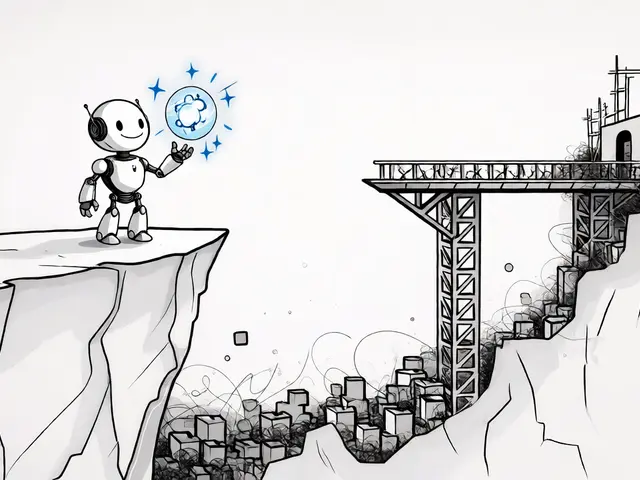
The smart companies aren’t banning vibe coding. They’re boxing it in. They use it for prototypes, internal tools, UI components. They keep it out of core systems. They treat it like a power tool-not a replacement for skill.
By 2027, Gartner predicts 68% of enterprises will use “controlled vibe coding”-sandboxed, audited, governed. The rest? They’ll be cleaning up the mess.
Think of it like seatbelts. You don’t ban cars because they’re fast. You make sure everyone uses them. Vibe coding is the car. Governance is the seatbelt. Skip the belt, and speed doesn’t matter.
What’s Next? The Tools Are Evolving
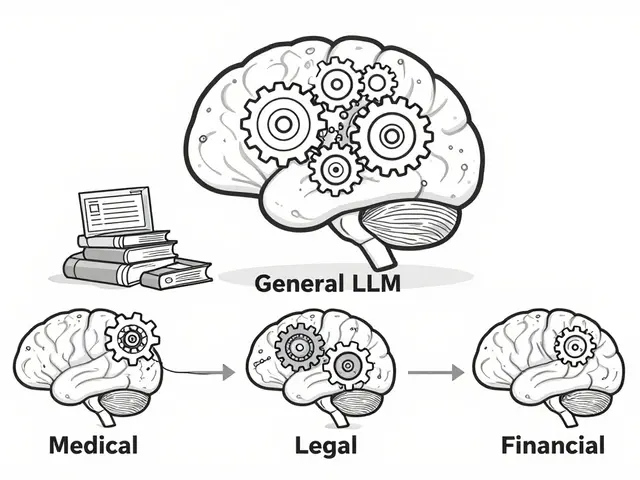
GitHub, Microsoft, and JPMorgan Chase launched the Vibe Code Safety Initiative in June 2025. Their goal? Standardize audit trails, enforce real-time vulnerability blocking, and create industry-specific templates-for banking, healthcare, logistics.
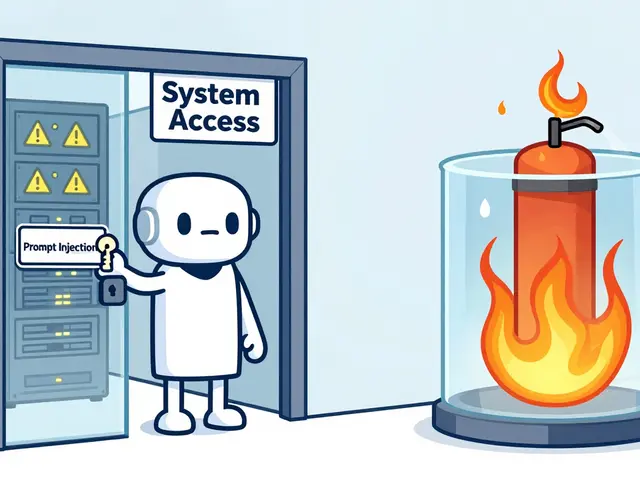
By Q4 2025, you’ll see IDEs that don’t just suggest code. They flag it: “This function has hardcoded credentials. Human review required.” Or: “This prompt could lead to injection attacks. Try this version.”
Open-source tools like CodeLlama are catching up too. But they lack governance. That’s the real differentiator now. It’s not about who writes the code. It’s about who owns the risk.
The winners won’t be the fastest teams. They’ll be the ones who learned how to move fast without falling apart.
 Artificial Intelligence
Geet Ramchandani
December 13, 2025 AT 19:24Pooja Kalra
December 14, 2025 AT 06:08Sumit SM
December 15, 2025 AT 18:14Jen Deschambeault
December 16, 2025 AT 00:23Kayla Ellsworth
December 16, 2025 AT 18:57Nathaniel Petrovick
December 18, 2025 AT 07:33Honey Jonson
December 19, 2025 AT 22:31