Imagine walking into a store where every shelf rearranges itself to show exactly what you want to buy before you even know it. That is the promise of Generative AI personalization, a technology that creates unique shopping experiences by analyzing behavioral data in real-time to tailor content and product recommendations. In 2026, this is no longer science fiction. It is the standard for top-performing online retailers. Traditional personalization relied on rigid rules-like showing winter coats to people in cold climates. Generative AI goes much deeper. It reads intent, understands context, and writes fresh copy for every single visitor.
The stakes are high. According to research from Dynamic Yield (2024), 70% of consumers now prefer generative AI for product guidance because traditional keyword-based search often fails them. When a shopper types "dress for a beach wedding," old systems might just list all dresses. An AI system understands the nuance: lightweight fabric, summer colors, elegant but casual. This shift has moved the industry from broad segmentation to true one-to-one communication at scale.
How Generative AI Transforms Static Stores into Dynamic Experiences
At its core, Dynamic Copy is text content generated in real-time by AI models based on individual user behavior and preferences. Unlike static product descriptions written once and published forever, dynamic copy evolves. If a user has been browsing sustainable fashion, the AI might rewrite a product description to highlight organic materials and ethical sourcing. If another user focuses on price, the same product page might emphasize value and discounts.
This capability relies on sophisticated Natural Language Processing (NLP) and deep learning algorithms. Systems like Shopify Magic is an AI tool integrated into the Shopify platform that automates content creation including product descriptions and marketing copy analyze over 50 behavioral signals per customer. These signals include browsing history, time spent on pages, cart abandonment patterns, and past purchases. The result is a shopping experience that feels less like a catalog and more like a personal stylist.
The impact on conversion rates is significant. Case studies from Amplience (2024) show an average increase of 15-20% in conversions when using hyper-relevant AI-generated experiences. But it is not just about text. Visual merchandising is also changing. AI can now recognize physical attributes directly from images. For example, if a product image shows striped trousers, the AI identifies this visually even if the manual tags are missing. This allows for highly accurate visual search and recommendation engines.
The Technical Engine Behind the Scenes
To understand why this works, you need to look at the tech stack. Most modern implementations use transformer-based language models, similar to the GPT variants we see in chatbots, coupled with robust recommendation engines. These systems process thousands of product attributes simultaneously. A typical setup integrates with your existing e-commerce platform-whether that is Shopify, WooCommerce, or Magento-and connects to Customer Data Platforms (CDPs) and analytics tools.
Here is a breakdown of how different platforms handle this technology:
| Platform | Implementation Speed | AI Feature Maturity | Best For |
|---|---|---|---|
| Shopify | 1-3 months | High (Native Tools) | SMBs to Mid-Market |
| WooCommerce | 3-6 months | Medium (Plugin Dependent) | Custom Builds |
| Adobe Commerce | 4-8 months | Very High (Enterprise) | Large Enterprises |
Shopify currently leads in ease of implementation, scoring 4.7 out of 5 in Forrester’s Q2 2024 evaluation. Its native integration means merchants don’t need heavy coding knowledge. WooCommerce offers more flexibility but requires significant technical expertise, with 65% of merchants reporting longer timelines. Adobe Commerce remains the powerhouse for large enterprises needing massive scalability.
Merchandising Beyond Text: Visual AI and Search
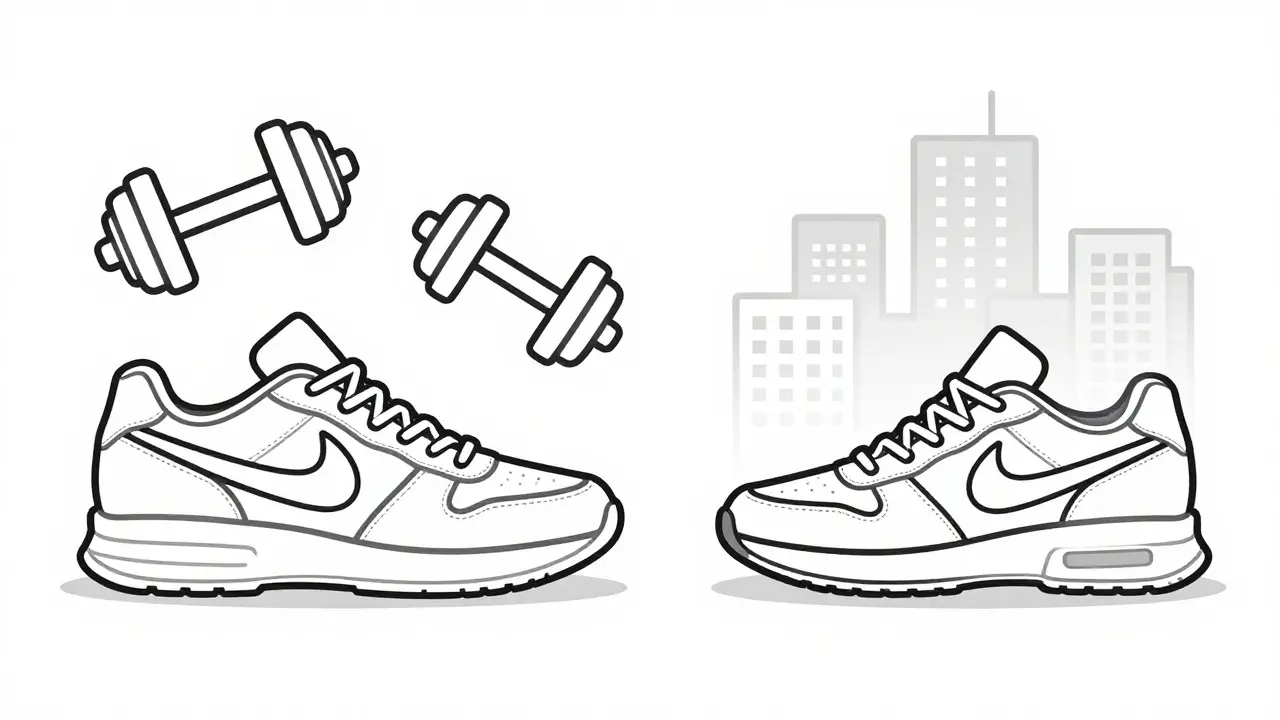
Text is only half the battle. Visual merchandising is where generative AI is making its biggest splash. Tools like Amplience’s Dynamic Visual AI allow brands to generate shoppable images tailored to individual browsing histories. Imagine a shoe brand showing the same sneaker against a gym background for fitness enthusiasts and against a city street for urban commuters. This level of contextual relevance increases click-through rates by 32% and conversions by 18%, according to Amplience benchmarks.
Search functionality has also evolved. Traditional search engines deliver relevant results only 43% of the time. AI-enhanced semantic search achieves 82% relevance accuracy. When a user asks a conversational question like "what do I wear to a semi-formal outdoor event?", the AI interprets the intent rather than just matching keywords. This reduces friction and helps users find products faster.
Challenges: Cost, Privacy, and the "Creepy" Factor
It is not all smooth sailing. Implementing generative AI comes with hurdles. First, there is the cost. Enterprise deployments average between $50,000 and $200,000, according to Lucent Innovation (2023). This includes software licensing, integration services, and ongoing maintenance. For small businesses, this can be prohibitive.
Then there is privacy. Effective personalization requires vast amounts of data. IBM’s 2024 report notes that 68% of implementations require significant data governance adjustments to comply with GDPR and CCPA regulations. Professor Marcus Wong from Stanford warns that only 32% of consumers can accurately describe how their data is used. This lack of transparency creates trust issues.
Finally, there is the risk of over-personalization. Twenty-two percent of consumers find excessive personalization intrusive. If an ad follows you too closely, it feels less helpful and more like surveillance. Finding the balance between helpful and creepy is a delicate art that requires careful testing and clear opt-out options.

Implementation Strategy: Getting Started Right
If you are ready to adopt generative AI for your store, follow these steps to ensure success:
- Clean Your Data: AI is only as good as the data it feeds on. Ensure your customer records, purchase histories, and product catalogs are structured and error-free. 78% of failed implementations cite poor data quality as the main culprit.
- Define Clear Objectives: Are you trying to reduce cart abandonment? Increase average order value? Improve SEO? Start with one specific goal.
- Choose the Right Platform: If you are on Shopify, leverage native tools like Shopify Magic. If you are on WooCommerce, evaluate plugins carefully, looking for those with strong documentation and support.
- Train Your Team: 63% of successful implementations involved dedicated AI training for marketing teams. Your staff needs to understand how to interpret AI insights and refine prompts.
- Test and Refine: Use A/B testing to compare AI-generated copy against human-written content. Monitor metrics like conversion rate, bounce rate, and time on page.
Expect a timeline of 4-12 weeks for full deployment. Shopify merchants often see results faster due to streamlined integrations. Be prepared for a learning curve, especially if you are moving from a rule-based system to a machine-learning-driven one.
The Future: Voice, Emotion, and Sustainability
Looking ahead, the landscape will continue to shift. Gartner predicts that by 2026, 80% of customer interactions in e-commerce will involve generative AI. We are already seeing pilot programs for emotion-aware AI, which adjusts content based on biometric feedback from webcams or smart devices. Voice-activated personalization is also on the rise, expected to be in 60% of implementations by next year.
However, sustainability concerns are emerging. AI processing consumes 15-20% more energy than traditional methods, according to MIT’s Sustainable AI Lab. As the market grows-from $11.2 billion in 2023 to a projected $35.7 billion by 2028-retailers must consider the carbon footprint of their AI strategies. Efficient algorithms and green hosting solutions will become key differentiators.
Generative AI is not a temporary trend. It is essential infrastructure for modern e-commerce. By focusing on clean data, strategic implementation, and respectful personalization, businesses can create shopping experiences that truly resonate with customers.
What is the difference between traditional personalization and generative AI personalization?
Traditional personalization uses static rules, such as showing recommended products based on past purchases. Generative AI personalization analyzes real-time behavior and context to create unique, dynamic content for each user, including custom product descriptions and visual merchandising, resulting in a more fluid and responsive shopping experience.
How much does it cost to implement generative AI in e-commerce?
Costs vary widely. Small businesses using native platform tools like Shopify Magic may pay little extra beyond subscription fees. Enterprise deployments typically range from $50,000 to $200,000, covering integration, customization, and ongoing maintenance. The investment often pays off through increased conversion rates of 15-20%.
Is generative AI personalization compliant with GDPR and CCPA?
It can be, but it requires effort. IBM reports that 68% of implementations need significant data governance adjustments to meet privacy laws. You must ensure transparent data collection practices, provide clear opt-out mechanisms, and regularly audit your AI systems for bias and data security.
Which e-commerce platforms offer the best generative AI tools?
Shopify leads in ease of use with its native Shopify Magic tool, ideal for SMBs. Adobe Commerce is preferred for large enterprises needing high scalability. WooCommerce offers flexibility through plugins but requires more technical expertise and longer implementation times.
Can generative AI improve SEO performance?
Yes. Benchmarks show AI-generated product descriptions can achieve 40% higher SEO performance compared to manually written ones. This is because AI can optimize content for long-tail keywords and semantic relevance dynamically, ensuring better visibility in search engine results.
What are the risks of over-personalization?
Over-personalization can make customers feel surveilled or uncomfortable. 22% of consumers find excessive personalization intrusive. To mitigate this, maintain a balance by allowing users to control their data settings and ensuring recommendations remain relevant without being overly aggressive.
 Artificial Intelligence