Imagine building a web app using an AI pair programmer. You type a prompt like "Create a user signup form that saves emails to our database and sends a welcome newsletter." In seconds, the code appears. It works. But does it comply with global privacy laws? Probably not.
This is the core challenge of vibe coding, which is a development approach relying on large language models (LLMs) to generate code based on natural language prompts rather than manual line-by-line writing. While this method accelerates development, it often bypasses the critical "boring" work of privacy compliance. The result? Applications that collect personal data without proper legal bases, obscure consent mechanisms, or undocumented data flows.
For developers and privacy officers, bridging the gap between rapid AI-generated code and strict regulations like the General Data Protection Regulation (GDPR) and the California Consumer Privacy Act (CCPA) requires a new mindset. You cannot rely on intuition. You need rigorous data mapping and robust consent management.
The Hidden Risks of AI-Generated Code
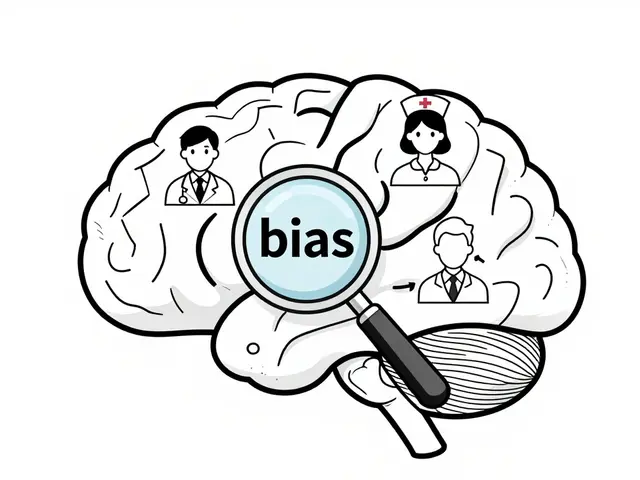
When you use vibe coding, the LLM acts as a junior developer who reads documentation but lacks institutional memory. It doesn't know your company's specific retention policies or which third-party processors are approved. It generates code based on patterns seen in millions of public repositories, many of which may be outdated or non-compliant.
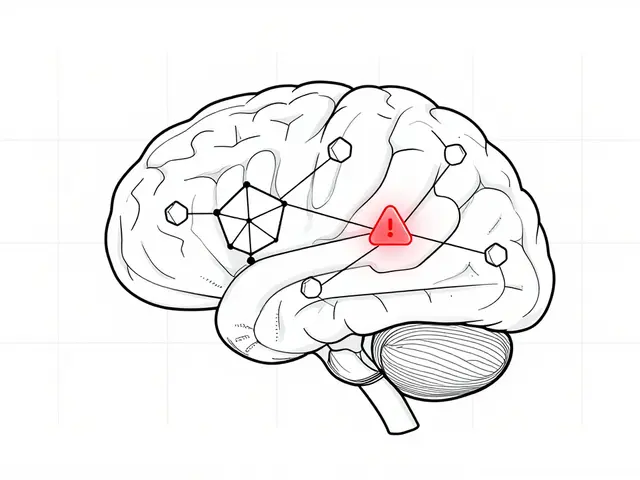
Consider a common scenario. You ask an AI tool to build a contact page. The generated code might include a hidden field tracking the user's IP address and browser fingerprint for "analytics purposes," even though you didn't request it. Under GDPR, this constitutes processing of personal data. If there is no clear legal basis-such as explicit consent or legitimate interest documented in a Record of Processing Activities (RoPA)-you are already non-compliant before the first user visits the site.
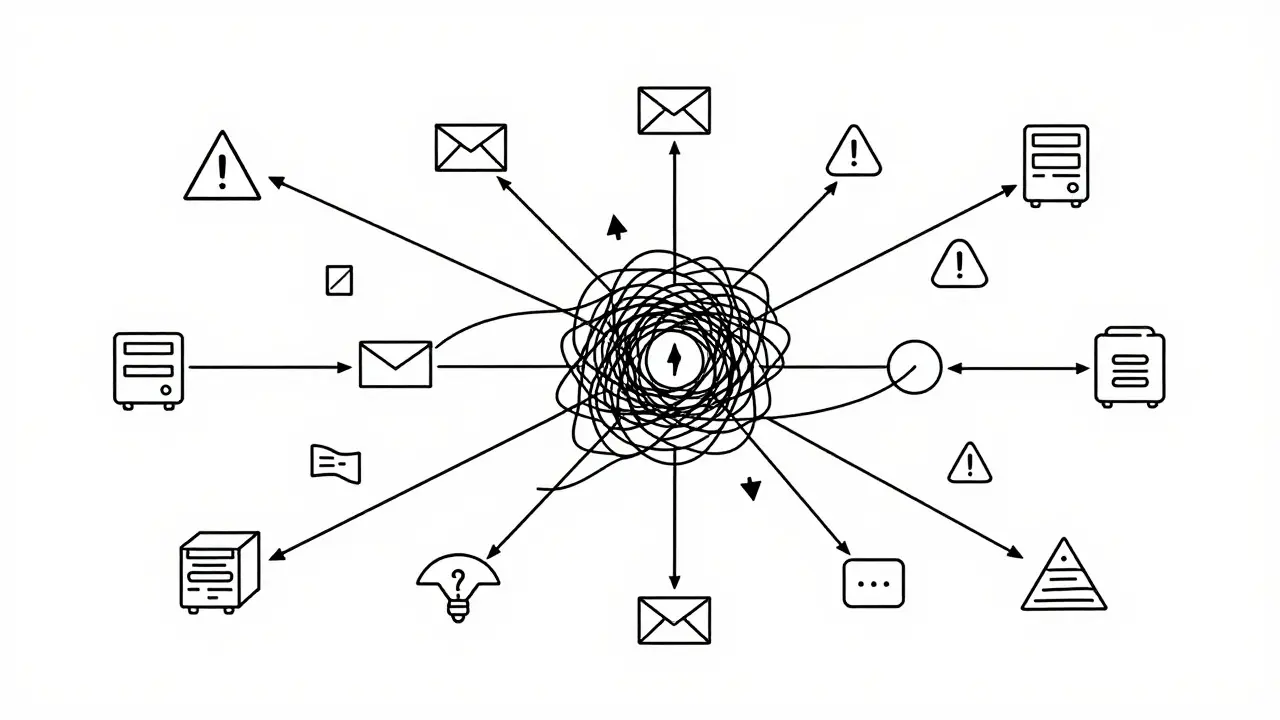
The risk escalates when these systems interact with external services. An AI might automatically integrate a popular analytics SDK or a marketing automation platform via API keys found in training data. Without human oversight, these integrations create invisible data flows. As noted by privacy experts, organizations that fail to map data at the processing activity level see significantly more compliance gaps during audits. In vibe-coded environments, these gaps are structural, not accidental.
Mapping Data in a Dynamic Environment
Data mapping is the process of documenting how personal data moves through your system. Traditionally, this was done manually, involving spreadsheets and interviews with IT staff. It was slow and often obsolete within weeks. In vibe-coded systems, where code changes rapidly, static maps are useless. You need dynamic, automated discovery.
To satisfy GDPR Article 30 and CCPA Section 1798.100, your data map must answer specific questions:
- What data is collected? Names, emails, IPs, device IDs, and inferred profiles.
- Why is it collected? The specific business purpose (e.g., transaction fulfillment vs. targeted advertising).
- Where does it go? Storage locations, including cloud regions and third-party processors.
- How long is it kept? Retention periods and deletion triggers.
- Who has access? Internal teams and external vendors.
In a vibe-coded workflow, you should implement automated data discovery tools that scan your codebase and runtime environment. These tools can identify variables containing personally identifiable information (PII) and trace their flow from input forms to databases and APIs. For example, if your AI-generated code sends user email addresses to a CRM system, the mapper should flag this transfer and verify that the CRM is an approved vendor under your Data Processing Agreement (DPA).
According to recent industry benchmarks, organizations using specialized data mapping software have reduced DSAR (Data Subject Access Request) fulfillment times by over 60%. This speed is crucial because both GDPR and CCPA impose strict deadlines for responding to consumer requests. If your data map is incomplete, finding all instances of a user's data becomes a needle-in-a-haystack problem.
Designing Consent Flows That Actually Work
Consent is the bedrock of privacy compliance, especially under GDPR. However, vibe coding often leads to generic, copy-pasted consent banners that lack granularity. A banner that says "We use cookies to improve your experience" with a single "Accept All" button is rarely sufficient for lawful processing of sensitive data or profiling.
Effective consent flows must be granular, transparent, and revocable. Here is how to structure them in AI-assisted development:
- Categorize Purposes: Group data collection into essential (strictly necessary), functional (preferences), and marketing (tracking/advertising). AI-generated code should tag each data element with its category.
- Explicit Opt-In: For non-essential cookies and trackers, users must actively click "Accept." Pre-checked boxes are invalid under GDPR.
- Granular Control: Allow users to accept marketing cookies while rejecting social media trackers. This requires a consent management platform (CMP) that integrates with your frontend code.
- Easy Withdrawal: Users must be able to withdraw consent as easily as they gave it. Your vibe-coded app should include a persistent privacy settings link, not just a one-time modal.
Under CCPA, the focus shifts slightly to the right to opt-out of the sale or sharing of personal information. The California Privacy Rights Act (CPRA) introduced stricter definitions for "sensitive personal information" (SPI), requiring businesses to provide a clear mechanism for limiting the use of SPI. Your consent flow must distinguish between standard data and SPI, such as precise geolocation, health data, or driver's license numbers.
Integrating a CMP like OneTrust, Usercentrics, or CookieYes into your vibe-coded stack ensures that consent signals are captured and stored securely. These platforms provide APIs that allow your application to check consent status before loading third-party scripts. For instance, if a user rejects analytics cookies, the code should dynamically prevent the Google Analytics snippet from executing.
Bridging GDPR and CCPA Requirements
While GDPR and CCPA share common goals, their requirements differ in key areas. Understanding these differences is vital for global applications.
| Feature | GDPR (EU) | CCPA/CPRA (California) |
|---|---|---|
| Legal Basis | Requires one of six legal bases (consent, contract, etc.) for every processing activity. | Focuses on notice and opt-out rights; no specific legal basis required for general processing. |
| Definition of Personal Data | Any information relating to an identified or identifiable natural person. | Information that identifies, relates to, or could reasonably be linked to a consumer or household. |
| Consent Requirement | Strict opt-in consent required for cookies, tracking, and special category data. | Opt-out required for sale/sharing of data; opt-in required only for sensitive personal information. |
| Data Mapping Focus | Records of Processing Activities (RoPA) detailing purpose, recipients, and retention. | Inventory of categories of data collected, sources, and business purposes. |
| Consumer Rights | Access, rectification, erasure, portability, restriction, objection. | Access, deletion, correction, opt-out of sale/sharing, limit use of SPI. |
In practice, this means your data map needs two layers. The first layer satisfies GDPR's granular requirement for legal bases. For each data point, you must document why you process it. Is it for contract performance? Legitimate interest? This documentation protects you if a regulator challenges your processing activities.
The second layer addresses CCPA's commercial focus. You must identify whether any data is "sold" or "shared" with third parties for cross-context behavioral advertising. Even if you don't receive money, sharing data with ad networks counts as a "sale" under CCPA. Your vibe-coded system should tag data elements destined for these partners so you can block them for users who exercise their opt-out rights.
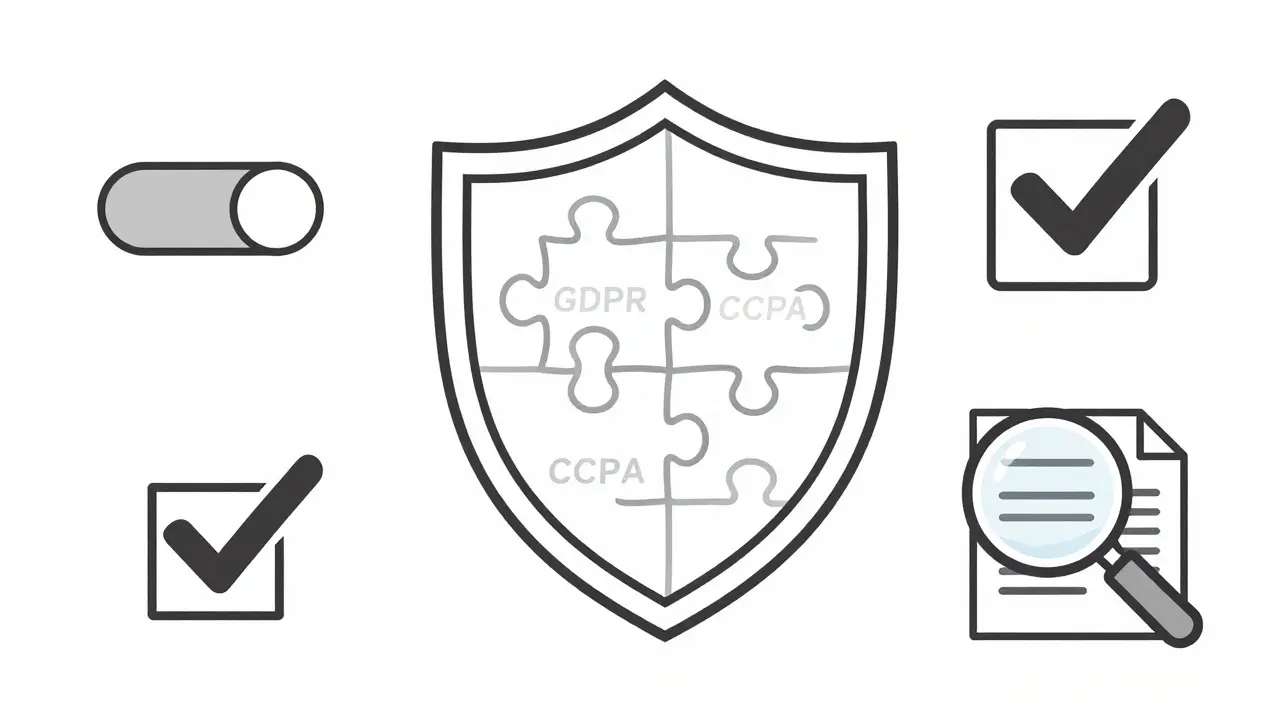
Implementation Checklist for Developers
To ensure your vibe-coded systems remain compliant, follow this actionable checklist:
- Audit Generated Code: Never deploy AI-generated code without a privacy review. Check for hardcoded API keys, unnecessary data collection, and missing error handling that might leak PII.
- Implement Automated Discovery: Use tools that scan your repository and runtime to detect PII. Integrate these scans into your CI/CD pipeline to catch regressions early.
- Tag Data Elements: Enforce a convention where every variable storing personal data is tagged with its category (e.g., `pii_email`, `pii_ip`) and legal basis. This simplifies downstream reporting.
- Integrate a CMP: Deploy a consent management platform that blocks non-essential scripts until valid consent is obtained. Ensure it supports both GDPR opt-in and CCPA opt-out mechanisms.
- Document Third-Party Flows: Maintain an up-to-date list of all vendors receiving user data. Review Data Processing Agreements annually. Remove any vendor not explicitly approved.
- Test DSAR Capabilities: Regularly run test queries to retrieve all data associated with a dummy user account. Verify that the response includes data from all subsystems, including backups and logs.
- Train Teams on Privacy by Design: Educate developers on the concept of data minimization. Encourage them to ask, "Do we really need this data?" before prompting the AI to collect it.
Future-Proofing Against Evolving Regulations
Privacy laws are not static. The European Data Protection Board recently issued guidelines requiring separate documentation for AI/ML data flows, including training data sources and model outputs. Similarly, California's CPRA enforcement updates mandate stricter mapping of sensitive personal information. Vibe-coded systems, which often leverage AI models themselves, must adapt to these changes.
Look ahead to 2027 and beyond. Industry predictions suggest that nearly half of large enterprises will adopt AI-powered data mapping tools. These tools use machine learning to infer data types and flows, reducing manual effort by up to 75%. However, automation is not a silver bullet. Human oversight remains essential to interpret context and legal nuances. A tool might identify an email address, but only a human can determine if it's being processed for a legitimate business purpose or excessive profiling.
By embedding privacy principles into your development workflow today, you build resilience against future regulatory shifts. Treat compliance not as a checkbox, but as a core feature of your product. When your vibe-coded systems respect user privacy, you gain trust-a currency far more valuable than any short-term development speed.
What is vibe coding in the context of privacy?
Vibe coding refers to using AI language models to generate application code from natural language prompts. In privacy contexts, it poses risks because AI may generate code that collects personal data without proper legal bases, consent mechanisms, or security controls, leading to non-compliance with GDPR or CCPA.
How does data mapping help with GDPR and CCPA compliance?
Data mapping documents what personal data is collected, why, where it is stored, and who accesses it. For GDPR, it supports Records of Processing Activities (RoPA). For CCPA, it helps fulfill consumer rights like access and deletion requests by providing a clear inventory of data holdings and flows.
What is the difference between GDPR consent and CCPA opt-out?
GDPR generally requires explicit opt-in consent before collecting or processing personal data, especially for cookies and profiling. CCPA primarily requires businesses to provide consumers with a clear way to opt-out of the sale or sharing of their personal information, with opt-in requirements only for sensitive personal information.
Can automated tools replace manual data mapping?
Automated tools significantly enhance accuracy and speed but cannot fully replace human oversight. They excel at discovering data locations and types, but humans are needed to interpret legal bases, assess legitimate interests, and validate third-party agreements.
How do I handle third-party integrations in vibe-coded apps?
You must audit all third-party integrations added by AI. Ensure each vendor has a signed Data Processing Agreement (DPA), is listed in your data map, and respects user consent choices. Use a Consent Management Platform (CMP) to block scripts from unapproved or rejected vendors.
 Artificial Intelligence