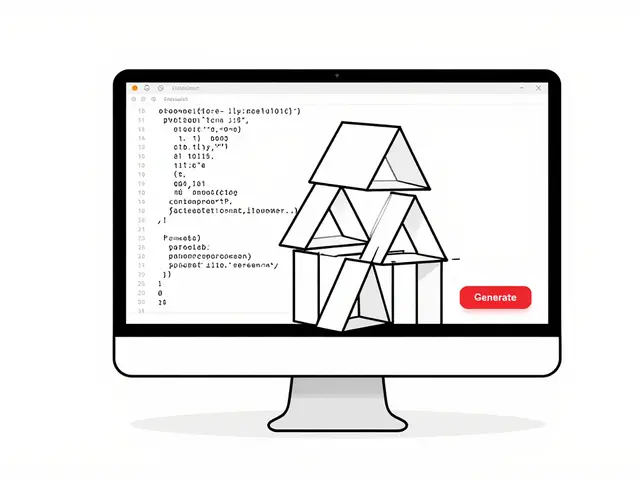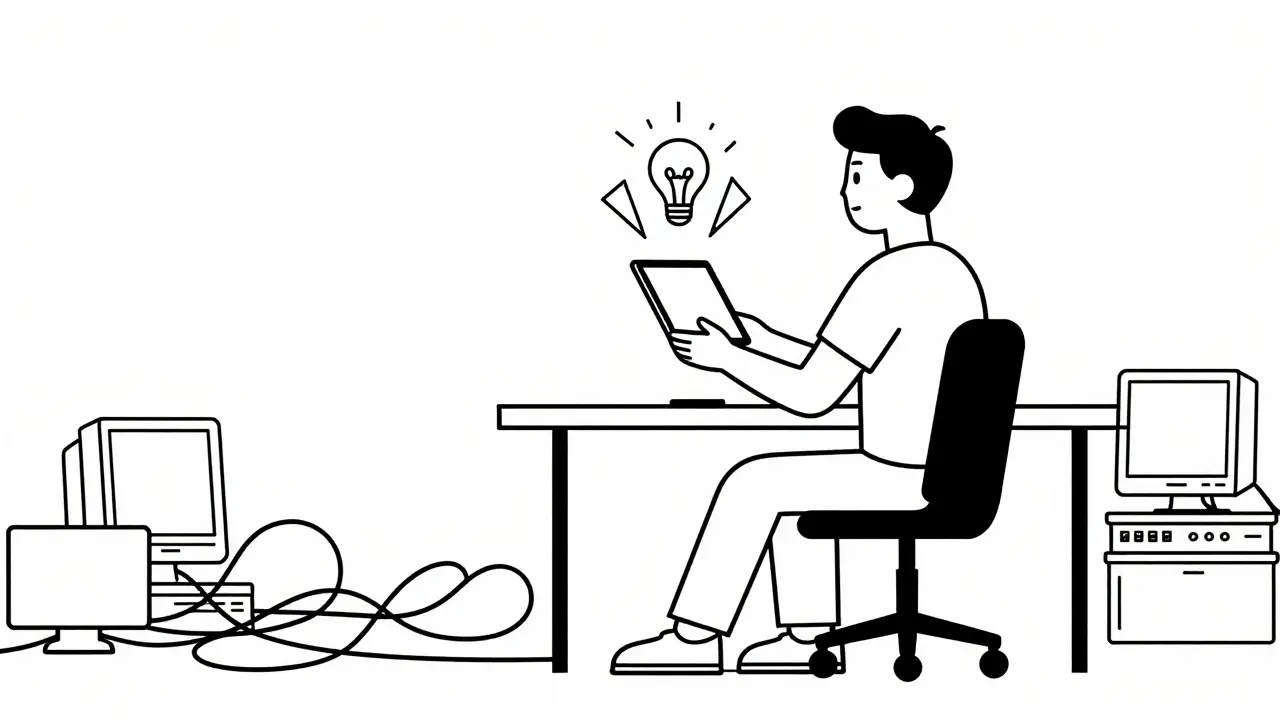
Remember when building a minimum viable product (MVP) meant months of wireframes, endless meetings with engineers, and waiting weeks just to see if your idea actually worked? That era is ending. A new approach called vibe coding is an intuition-driven, AI-powered method that lets founders and non-technical teams build functional prototypes in hours instead of weeks. It’s not about writing perfect code from day one. It’s about capturing the "vibe" or core functionality of an idea quickly enough to test it with real users before you burn cash on full-scale development.
For startups in 2026, speed isn’t just a luxury; it’s survival. The ability to validate assumptions rapidly separates companies that find product-market fit from those that fail silently. Vibe coding collapses the timeline between having an idea and holding a working prototype in your hand. This shift democratizes development, allowing product managers, designers, and founders to become builders themselves, bypassing traditional bottlenecks.
The Core Mechanics of Vibe Coding
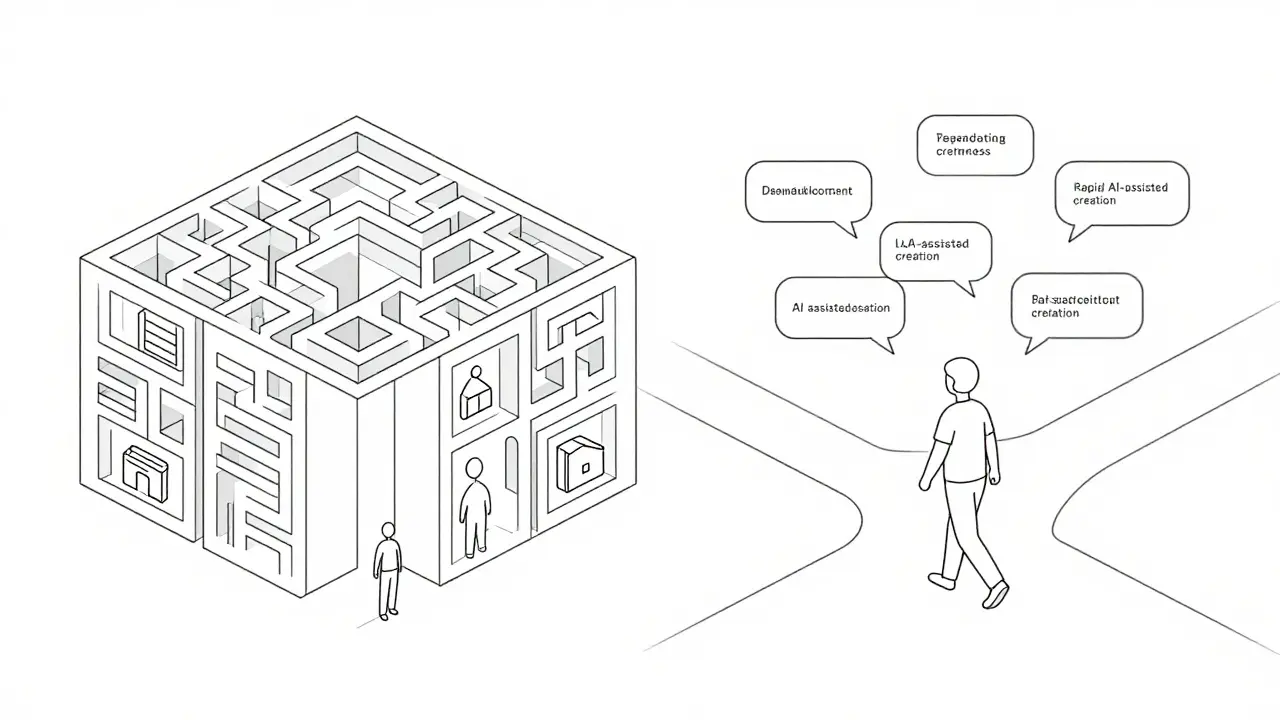
Vibe coding flips the traditional software development lifecycle upside down. In the old model, you spent weeks planning architecture, defining strict requirements, and creating detailed specifications before a single line of code was written. If the assumption was wrong, you had wasted weeks. With vibe coding, you jump straight into creation using natural language prompts and visual interfaces.
At its heart, vibe coding relies on generative AI tools that translate plain English descriptions into executable code. You describe what you want-"a dashboard that shows daily active users with a dark mode toggle"-and the AI generates the frontend, backend logic, and database connections almost instantly. You then tweak, refine, and iterate based on immediate feedback rather than theoretical planning.
- Intuition over Architecture: Focus on user experience and core features first. Perfect database normalization can wait until validation happens.
- Natural Language Input: Developers and non-developers alike use conversational prompts to drive code generation.
- Rapid Iteration: Changes are made in seconds, allowing for dozens of variations in a single afternoon.
This methodology works because it prioritizes learning over perfection. The goal isn't to ship production-ready software immediately; it's to create something good enough to answer critical business questions. Did Airbnb spend weeks coding their first site? Yes. Today, a founder could replicate that initial prototype in an afternoon using vibe coding tools.
Why Startups Are Adopting This Approach
The primary driver for startups adopting vibe coding is cost reduction through time savings. Engineering talent is expensive. Every hour a senior developer spends building a feature that nobody wants is money lost. By using vibe coding, startups can validate market demand before committing significant resources.
Consider the data from recent case studies. One startup using vibe coding for an AI marketplace platform slashed their development time by 50%. Another health monitoring app saw a 30% increase in user engagement because they could iterate on features weekly instead of quarterly. These aren't minor improvements; they represent a fundamental change in how fast a company can learn.
| Feature | Traditional Dev | Vibe Coding |
|---|---|---|
| Time to First Prototype | 4-8 Weeks | 1-3 Days |
| Primary Skill Required | Deep Technical Expertise | Product Intuition & Prompting |
| Cost of Failure | High (Months of Salary) | Low (Hours of Tool Usage) |
| Iteration Speed | Sprint-based (2 weeks) | Real-time (Minutes) |
| Team Access | Engineers Only | Cross-functional (PMs, Designers, Founders) |
Beyond speed, vibe coding changes team dynamics. Product managers at companies like Linear, Notion, and Figma now build their own prototypes. They don't need to write tickets for engineers to interpret. This direct connection between idea and execution reduces miscommunication and accelerates the feedback loop significantly.
Essential Tools for the Vibe Coding Stack
You can't do vibe coding without the right tools. The ecosystem has exploded in 2025 and 2026, offering platforms that handle everything from frontend design to backend infrastructure. Here are the key players enabling this shift.
Lovable is a chat-based development platform ideal for product managers and cross-functional teams, featuring built-in version control and live rendering. Lovable stands out because it lowers the barrier to entry. If you can write a clear prompt, you can build. It handles the complex parts like authentication and database integration automatically, which usually trips up non-technical founders.
Other essential tools include Cursor, an AI-native code editor that integrates deeply with existing workflows to accelerate coding tasks, v0 by Vercel, which generates React UI components from text prompts, and Bolt.new, a browser-based full-stack development environment. Together, these tools allow a solo founder to act as a small engineering team.
When choosing a tool, consider your technical comfort level. If you have no coding background, Lovable or Bolt.new might be smoother because they abstract away more complexity. If you are a developer looking to speed up your workflow, Cursor offers deeper control while still providing massive AI assistance.
Strategic Applications Beyond Software
While vibe coding started in software, its principles are expanding into hardware and operations. The concept of "rapid mechatronics" allows hardware startups to prototype physical products with similar speed. For example, Fable Engineering used vibe coding principles combined with rapid 3D printing to prototype an AI companion robot in just three days. They defined the "vibe" with AI moodboards, generated designs, and printed parts overnight.
Startups also use vibe coding for internal operations. Instead of buying expensive enterprise software for sales or marketing, teams build custom internal tools. A support chatbot built with vibe coding reduced response times by 90% for one startup. These internal tools solve specific pain points without the bloat of general-purpose SaaS products.
Investor demonstrations benefit hugely from this approach. Showing a functional, interactive prototype is infinitely more compelling than showing slides. When investors can click through a working MVP, they see the vision clearly. This tangible proof reduces perceived risk and can accelerate funding rounds.
The Hybrid Model: Balancing Speed and Stability
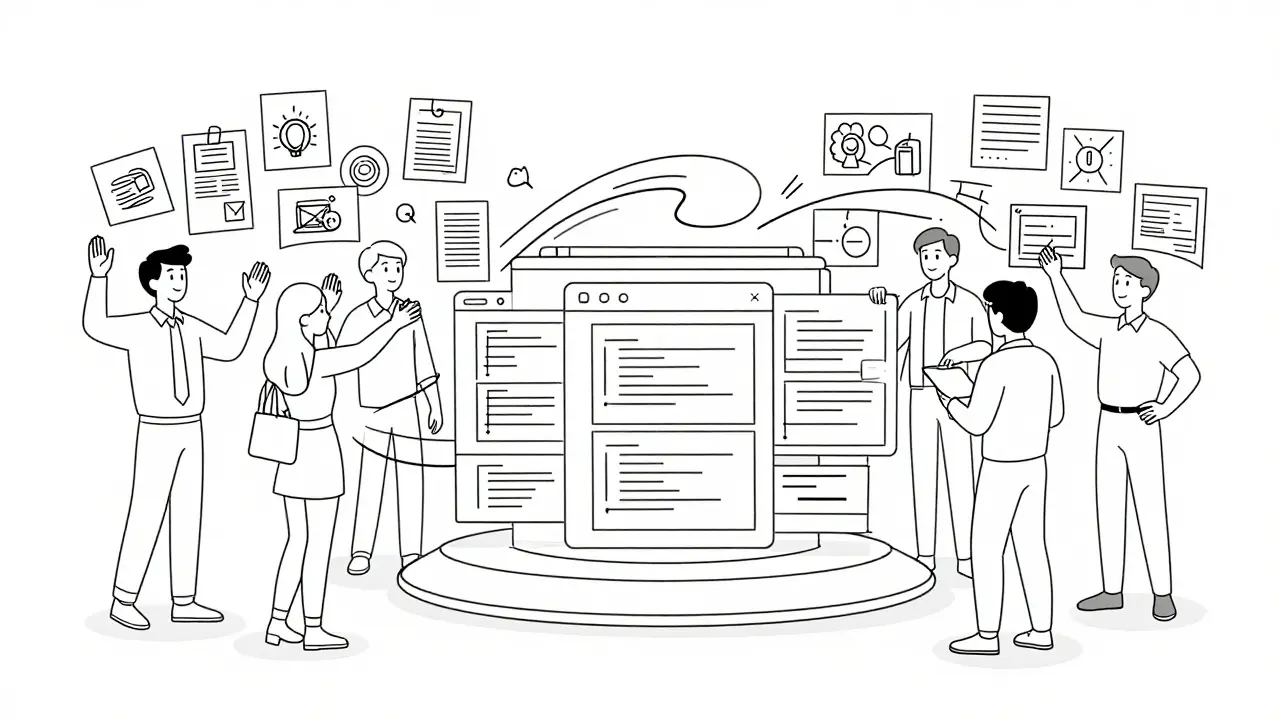
A common misconception is that vibe coding replaces professional engineering. It doesn't. The most successful startups use a two-track approach. Track one is vibe coding for exploration, validation, and prototyping. Track two is traditional engineering for scaling, security, and maintenance.
Once a vibe-coded prototype proves that users love the feature, engineers take over. They refactor the messy, AI-generated code into clean, maintainable architecture. They add robust testing, ensure data security, and optimize performance. This hybrid model maximizes learning speed while ensuring long-term operational reliability.
Leadership plays a crucial role here. Executives must understand that vibe-coded prototypes are learning tools, not final products. They should encourage experimentation but also enforce boundaries where quality matters. For instance, you might vibe-code a landing page, but you wouldn't vibe-code the payment processing system handling millions of dollars without rigorous review.
Frequently Asked Questions
Is vibe coding suitable for production-level applications?
Not directly. Vibe coding is best used for prototyping, MVPs, and internal tools. For production applications handling sensitive data or high traffic, the code generated by AI should be reviewed, refactored, and optimized by professional engineers to ensure security, scalability, and maintainability.
Do I need to know how to code to use vibe coding?
No. The beauty of vibe coding is that it democratizes development. Non-technical founders, product managers, and designers can build functional prototypes using natural language prompts. However, knowing basic coding concepts helps in debugging and refining the output.
What are the risks of relying too heavily on vibe coding?
The main risks are technical debt and security vulnerabilities. AI-generated code may contain subtle bugs or inefficient patterns. If you skip the refactoring phase, your application may become hard to maintain or scale. Always treat vibe-coded outputs as drafts that require professional review before going live.
How does vibe coding compare to no-code platforms?
No-code platforms often rely on drag-and-drop interfaces with limited customization. Vibe coding uses AI to generate actual code, offering greater flexibility and control. You can edit the underlying code if needed, whereas no-code solutions often lock you into their proprietary ecosystems.
Which vibe coding tools are best for beginners?
Lovable and Bolt.new are excellent starting points due to their intuitive chat interfaces and automatic backend handling. They require minimal setup and provide real-time previews, making it easy to see results immediately without configuring complex development environments.
 Artificial Intelligence