
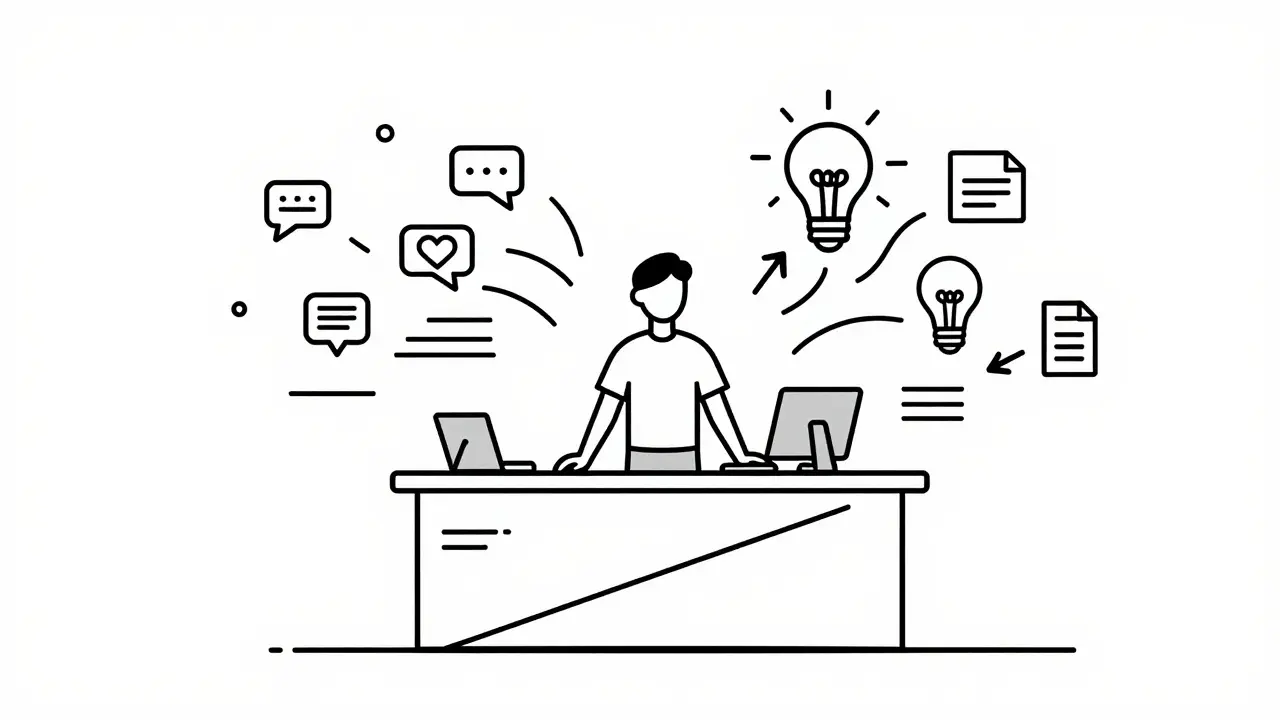
Imagine spotting a viral trend before it hits Google Trends. In 2026, that’s not science fiction; it’s Tuesday for marketers using Large Language Models (LLMs) for marketing analytics. The days of sifting through spreadsheets to guess what customers want are over. Now, AI systems process millions of social posts, reviews, and chats in minutes, handing you actionable insights instead of raw data dumps.
This shift isn’t just about speed. It’s about survival. With consumers increasingly turning to AI agents for purchase decisions, your brand needs to be visible in those AI-driven recommendations or risk being optimized out entirely. But how do you move from hype to actual results? Let’s break down how LLMs are reshaping trend detection and campaign insights right now.
The Speed of Insight: Why LLMs Beat Traditional Analytics
Traditional marketing analytics relies on structured data-numbers in neat rows. But human behavior is messy. It lives in tweets, customer support tickets, and unstructured feedback forms. This is where Generative AI shines. According to Adobe’s 2025 report, LLM-powered tools identify emerging trends 37 percent faster than traditional methods while cutting manual analysis time by 64 percent.
Consider the "quiet luxury" movement. A Reddit user noted that LLM trend detection caught this shift 11 days before Google Trends picked it up. That head start allowed brands to adjust messaging and inventory before competitors even knew the trend existed. However, speed comes with a catch. These models still struggle with nuanced cultural context, showing 28 percent lower accuracy when interpreting regional slang. You get the big picture fast, but you still need humans to check the details.
Trend Detection: From Noise to Signal
Finding trends used to mean chasing keywords. Today, it means understanding intent at scale. LLMs don’t just count mentions; they analyze sentiment and context. For example, a consumer goods company used LLM analytics to detect a 37 percent surge in conversations about "sustainable packaging" eight weeks before their competitors. They captured 19 percent market share in eco-friendly products simply by moving first.
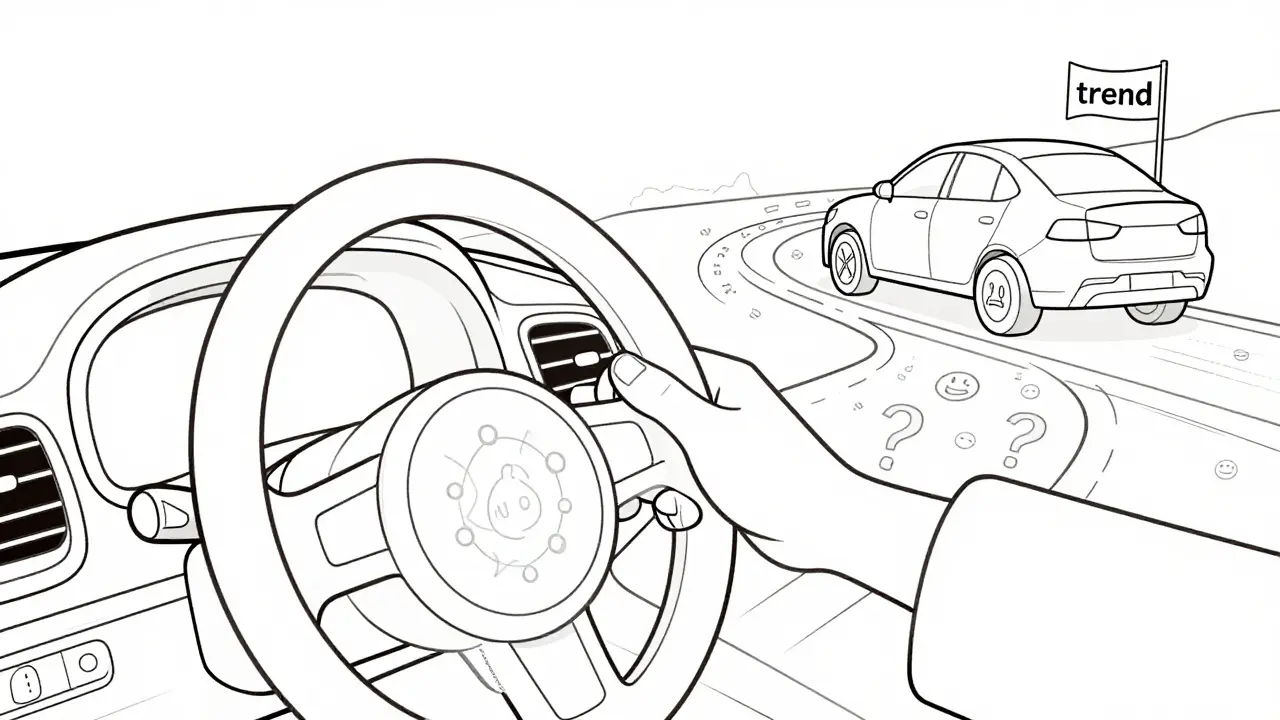
But beware of hallucinations. eMarketer’s December 2025 study found that LLMs produce inaccurate trend reports in 12-15 percent of analyses. This happens when the model confuses correlation with causation or misinterprets sarcasm. To mitigate this, top teams use a "human-in-the-loop" validation process, which Quad reports reduces errors by 83 percent. Don’t let the AI drive alone; keep your hand on the wheel.
| Metric | Traditional Analytics | LLM-Powered Analytics |
|---|---|---|
| Processing Time (10k entries) | 8.5 hours | 22 minutes |
| Trend Identification Speed | Baseline | 37% faster |
| Cultural Nuance Accuracy | High (Human-led) | 28% lower |
| Error Rate (Hallucinations) | N/A | 12-15% |
Campaign Insights: Optimizing in Real-Time
Once you spot a trend, how do you leverage it? LLMs excel at real-time campaign adjustment. Instead of waiting for weekly reports, modern platforms like Salesforce Marketing Cloud and Adobe Experience Cloud offer native modules that suggest creative tweaks based on live audience reactions.
Retail Media Networks (RMNs) enhanced with LLM analytics deliver 1.8x better results than standard digital ads, according to Kantar LIFT data. The AI analyzes purchase intent metrics and adjusts bids or creative assets instantly. However, transparency remains a hurdle. Seventy-three percent of marketers admit they can’t see exactly how their brand ranks across different LLM landscapes. You’re optimizing for a black box, which creates strategic anxiety.
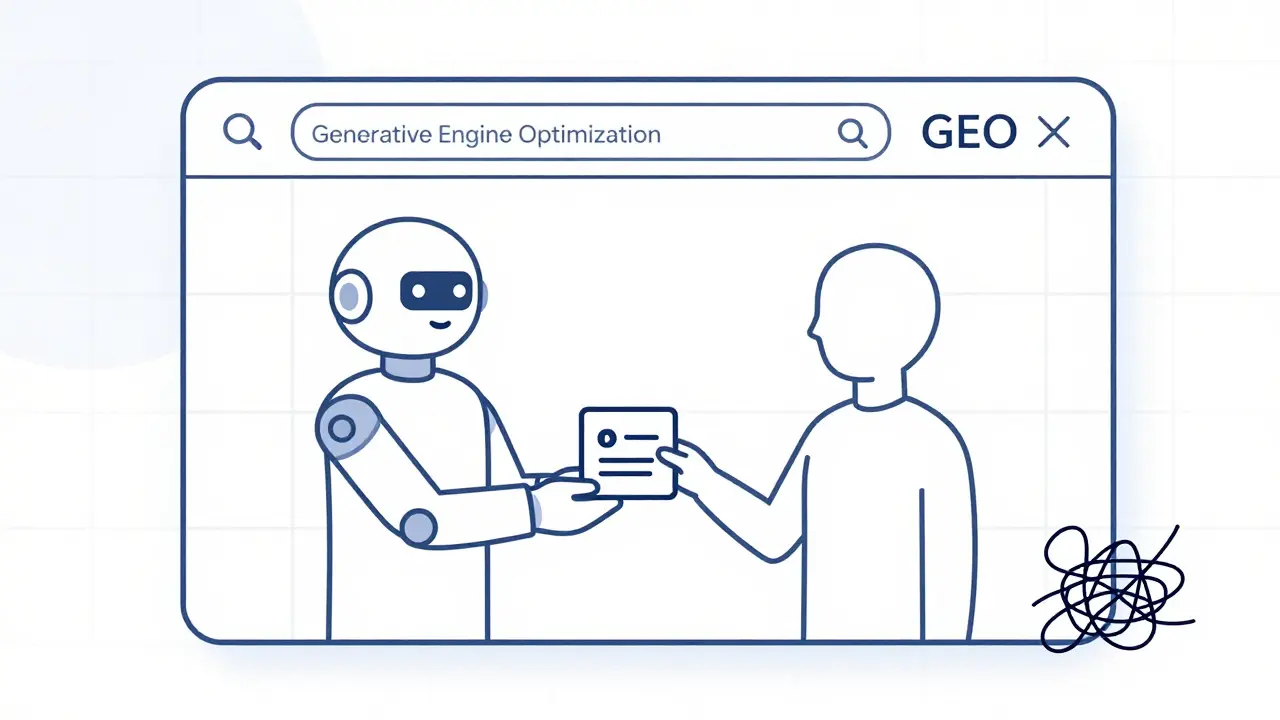
The Rise of Generative Engine Optimization (GEO)
If SEO was king in 2020, GEO is the new frontier. As consumers ask AI assistants for product recommendations, your content must be structured for machines, not just humans. Quad’s 2026 research shows early adopters of GEO tools see 47 percent higher inclusion in AI assistant outputs.
This isn’t just about keywords. It’s about ensuring your brand’s narrative is clear, validated, and easily understood by AI systems. Brands that fail to differentiate risk being lost in a sea of sameness. Mary Kyriakidi of Kantar warns that if you aren’t the default recommendation, you’ll be optimized out. The cost? High. Enterprise deployments average $285,000, per Gartner. But the alternative is invisibility in an AI-driven discovery ecosystem.
Implementation Challenges and Costs
Getting started isn’t cheap or easy. The learning curve demands 3-6 weeks of training for marketing teams. You need skills in prompt engineering, AI output validation, and synthetic data management. Synthetic data is critical here; Kantar’s methodology achieves 94-95 percent accuracy versus ground truth when properly calibrated.
Hardware matters too. On-premise deployments often require NVIDIA A100 GPUs, while cloud users rely on services like Google Cloud Vertex AI or AWS Bedrock. For small businesses, the barrier is steep. Only 29 percent of SMBs use advanced LLM analytics compared to 78 percent of large enterprises. If you’re a smaller player, consider starting with platform-native solutions rather than building custom models.
Future Outlook: Agentic AI and Multimodal Analysis
We’re moving toward "agentic optimization," where AI doesn’t just report but acts. By Q4 2026, Gartner predicts 65 percent of marketing analytics will involve agentic AI that proactively identifies opportunities. Imagine an AI that spots a dip in engagement and automatically tests three new headline variations, reporting back only the winner.
Multimodal LLMs coming in Q3 2026 will add image and video analysis to the mix. This means analyzing visual trends in social media feeds, not just text. The goal is robust, trustworthy insights. As Duncan Southgate of Kantar notes, the focus is shifting to the quality of training datasets. Garbage in, garbage out still applies, even to super-intelligent models.
What is LLM marketing analytics?
LLM marketing analytics uses Large Language Models to process unstructured data like social media posts and reviews. It identifies trends, optimizes campaigns, and generates insights much faster than traditional methods, helping marketers make data-driven decisions in real-time.
How accurate are LLMs in detecting marketing trends?
LLMs are highly accurate for broad trends, identifying them 37% faster than traditional tools. However, they have a 12-15% error rate due to hallucinations and struggle with cultural nuances, showing 28% lower accuracy in regional slang interpretation. Human validation is essential.
What is Generative Engine Optimization (GEO)?
GEO is the practice of structuring content so it is easily understood and recommended by AI systems and search assistants. Unlike traditional SEO, which targets human readers via search engines, GEO targets AI algorithms to ensure your brand appears in AI-generated answers.
How much does implementing LLM analytics cost?
Enterprise-level implementations average $285,000, including software, hardware like NVIDIA A100 GPUs, and training. Smaller businesses may use cheaper platform-native features within existing tools like HubSpot or Salesforce, but full custom builds remain expensive.
Can LLMs replace human marketers?
No. While LLMs handle data processing and initial trend spotting, they lack emotional intelligence and cultural context. Human analysts still outperform AI by 39% in understanding complex emotional drivers. The best approach is a hybrid model where AI supports human strategy.
 Artificial Intelligence



mark nine
May 12, 2026 AT 01:43the hallucination rate is the real kicker here. you can have the fastest insight in the world but if it tells you people want blue socks when they actually want red ones you are dead in the water. we need better validation layers before trusting these models with budget decisions
Eva Monhaut
May 12, 2026 AT 09:48I find this incredibly promising for small teams who don't have the resources to hire a full analytics department. The idea of getting that head start on trends like quiet luxury is just magical. It feels like leveling the playing field where speed matters more than sheer manpower. I am excited to see how this evolves over the next year and hope the tools become more accessible soon.
Rakesh Kumar
May 12, 2026 AT 15:26Wait a minute! Are you telling me that AI can actually understand sarcasm now? Because my last campaign failed because the bot thought 'this product is fire' was a literal complaint about combustion. This sounds like a dream come true but also a nightmare waiting to happen if the context isn't perfect. I really hope the human-in-the-loop part stays strong because otherwise we are all going to look foolish very quickly indeed!
Tony Smith
May 14, 2026 AT 12:27One must observe with a certain degree of ironic detachment that while we celebrate the efficiency of LLMs, we simultaneously create a workforce solely dedicated to checking their errors. The notion that a machine can grasp cultural nuance is laughable at best. It is rather amusing that we pay humans to tell machines what humans already know. Perhaps we should just stick to spreadsheets and save the $285,000 for something tangible?
Michael Gradwell
May 14, 2026 AT 18:21stop selling snake oil to marketers who cant even read a basic chart. this is just hype cycle garbage repackaged as innovation. you still need humans to do the actual thinking so why pretend the ai is doing the work. its just a fancy autocomplete tool with a price tag that would make your eyes water. wake up sheeple
Ronnie Kaye
May 16, 2026 AT 10:49Oh great, another day, another way for big tech to sell us expensive toys we don't need. I'm sure the 'black box' anxiety is thrilling for everyone involved. Can't wait to watch brands get optimized out by algorithms that think 'sustainable' means 'green-colored plastic'. Let's all just throw money at GPUs and hope for the best, right?
Ian Maggs
May 17, 2026 AT 13:25The philosophical implications of Generative Engine Optimization are quite profound; indeed. We are essentially curating reality for machines rather than humans. One wonders if the essence of marketing is being lost in the translation to code. Is the brand narrative truly understood by the AI, or is it merely mimicking understanding? These questions demand serious contemplation; do not they?
Bill Castanier
May 19, 2026 AT 11:10The grammar in those social posts matters less than the sentiment behind them. It is interesting how the focus shifts from syntax to intent. We must ensure our data sources are clean though. Garbage in really does mean garbage out. Keep it simple and let the AI handle the heavy lifting on volume.
Flannery Smail
May 19, 2026 AT 19:23I bet the traditional methods were fine until someone decided they needed to be faster. Now we are paying hundreds of thousands of dollars to find out what we could have guessed by talking to customers. Progress is a funny thing sometimes. I say keep the spreadsheets and buy some coffee instead.
Priyank Panchal
May 19, 2026 AT 20:27This entire premise is flawed because you assume the data is unbiased. It is not. The models are trained on biased data and will produce biased results. You cannot fix bias with more compute power. Stop wasting money on this nonsense and focus on building genuine relationships with your audience instead of trying to game an algorithm that changes every week. It is insulting to suggest otherwise.