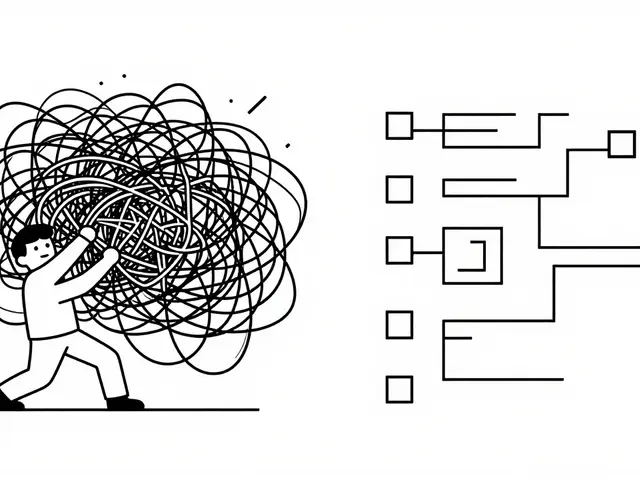
Remember when "AI coding" meant an autocomplete feature that occasionally guessed your next line of Python? Those days are gone. In mid-2026, we are witnessing a fundamental shift in how software is built inside large organizations. It’s called enterprise vibe coding. This isn’t just about typing faster; it’s about describing what you want in plain English and having the system generate, test, and deploy production-ready code within your existing infrastructure. But here is the catch: doing this in a startup is easy. Doing it in an enterprise with strict security, legacy systems, and compliance rules is entirely different.
If you are a CTO, engineering manager, or senior developer looking to integrate these tools without breaking your company’s security posture, you need more than hype. You need a strategy. The gap between "cool demo" and "production reality" is where most projects fail. Let’s look at how to bridge that gap using real-world data from 2025 and early 2026.
What Is Enterprise Vibe Coding?
To understand the implementation, we first need to define the term accurately. Superblocks, a leader in low-code platforms, defines enterprise vibe coding as leveraging AI tools to speed up software development but with the guardrails needed for production. It emerged around 2023-2024 as AI assistants moved beyond simple syntax completion to handling end-to-end tasks.
By September 2025, Genpact reported that 90% of engineering teams had integrated AI into their workflows. This marks the transition from experimental pilots to mainstream adoption. The value proposition is clear: 62% of engineers reported accelerating time-to-value by 25-40%. However, the key differentiator for enterprises is not speed alone-it is safety. Generic AI tools lack the context to navigate complex enterprise permissions, data privacy laws, and legacy integrations. Enterprise vibe coding solves this by embedding AI directly into governed environments like ServiceNow’s AI Platform or Salesforce’s Agentforce 360.
Is vibe coding the same as traditional AI coding assistants?
No. Traditional assistants like early versions of GitHub Copilot focus on individual line-by-line suggestions. Enterprise vibe coding involves multi-agent systems that can plan, write, test, and deploy entire features while adhering to organizational security policies and integrating with existing ERP or CRM systems.
The Architecture of Safe Integration
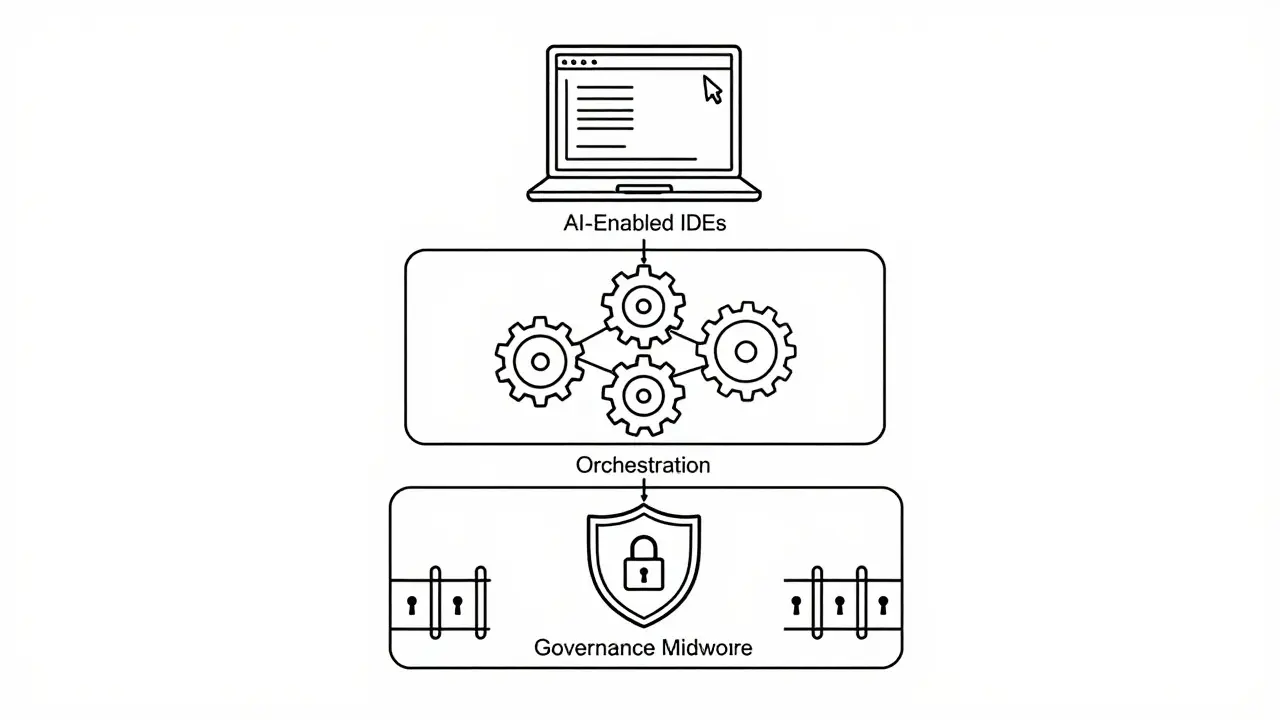
You cannot simply plug a consumer-grade LLM into your corporate network. Virtasant’s December 2025 guide outlines a layered architectural approach that successful enterprises follow. This structure ensures that AI agents operate within defined boundaries.
Layer 1: AI-Enabled IDEs is the interface layer where developers interact with AI tools like Cursor, Windsurf, or GitHub Copilot in VSCode. These tools boost individual productivity but must be configured to access only approved repositories.
Layer 2: Orchestration is the middleware that coordinates multiple AI agents. For example, one agent might write the code, another tests it, and a third checks for security vulnerabilities. This prevents single-point failures and hallucinations.
Layer 3: Governance Middleware is the security layer that enforces compliance. This includes automated vulnerability scanning using tools like Semgrep and CodeQL, as recommended by Instinctools in November 2025. It also manages dynamic secrets through tools like HashiCorp Vault, ensuring AI agents never have persistent access to sensitive credentials.
ServiceNow’s January 2026 update demonstrates this well. Their platform integrates natively with ERP and CRM systems without requiring "extra glue code." This means the AI understands the context of your customer data and financial records automatically, reducing the risk of data leakage.
Security and Compliance: The Non-Negotiables
In highly regulated industries like finance and healthcare, security is not an afterthought. Genpact’s September 2025 analysis highlights that 73% of enterprises in these sectors now require AI-generated code to be self-documenting, testable, and explainable. Why? Because if an AI makes a mistake, auditors need to know why.
Here are the four critical components of a secure enterprise vibe coding architecture:
- Secure-by-Design Backend: Automated scanning for vulnerabilities before code is even merged. Tools like Semgrep run continuously in the background.
- Strict Access Limitations: AI agents should have least-privilege access. They should not be able to read all databases, only the specific tables required for the task at hand.
- Local Model Execution: For high-security environments, some companies prefer running smaller models locally rather than sending data to cloud APIs. This keeps sensitive intellectual property on-premise.
- Dynamic Secrets Management: Using tools like HashiCorp Vault to provide temporary, rotating credentials to AI agents. This prevents credential theft if an agent is compromised.
Instinctools warns that ignoring these steps leads to "agentic misalignment," where AI systems operate against established company objectives. This is not just a technical risk; it’s a business liability.
Vibe Coding vs. Traditional Development: When to Use What
Not every problem needs an AI agent. Tibco’s September 2025 analysis compared unmanaged vibe coding against traditional platform solutions and found three critical failure points for custom AI projects:
- Integration Failures: 68% of custom vibe coding projects failed to integrate properly with existing ERP, CRM, or authentication services because the AI lacked deep contextual understanding of legacy systems.
- Operational Burden: Enterprises became solely responsible for maintenance, increasing total cost of ownership by 35-50% according to Virtasant’s case studies. AI code can be brittle if not properly refactored.
- Scope Creep: 57% of cases expanded beyond initial requirements because AI makes it too easy to keep adding features without architectural oversight.
However, when implemented with governance, enterprise vibe coding outperforms traditional methods in specific scenarios:
| Use Case | Traditional Dev | Enterprise Vibe Coding | Key Metric |
|---|---|---|---|
| Internal Tools | 3 weeks | 3 days | 85% faster deployment (Salesforce) |
| Legacy Modernization | Months | Weeks | 40% reduction in timeline (Genpact) |
| Workflow Automation | High error rate | Low error rate | 92% fewer errors (ServiceNow) |
| Complex Core Systems | Recommended | Risky | High integration failure risk (Tibco) |
The key takeaway? Use vibe coding for internal tools, rapid prototyping, and workflow automation. Stick to traditional development for core, mission-critical systems where stability is paramount.
Implementation Strategy: A Phased Approach
Jumping straight into full-scale AI integration is a recipe for disaster. Virtasant recommends a four-stage adoption path:
- Start with AI-Enabled IDEs: Roll out tools like Cursor or GitHub Copilot to familiarize teams with AI assistance. This builds comfort without risking production systems.
- Focus on Internal Tools: Build non-customer-facing applications first. These have lower stakes and allow teams to learn prompt engineering and agent orchestration.
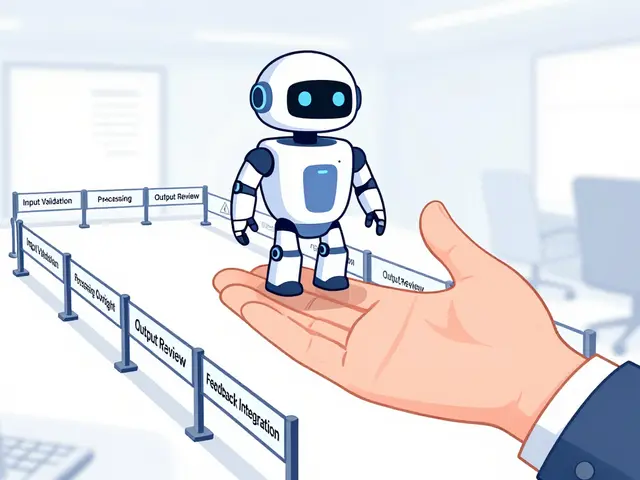
- Break Tasks into Verifiable Steps: Don’t ask AI to "build a CRM module." Ask it to "write the API endpoint for user login," then "test for SQL injection," then "update the documentation." Human oversight at each step is crucial.
- Build Context-Specific Patterns: Create organization-specific libraries and prompts that reflect your coding standards. This reduces hallucinations and improves consistency.
The learning curve varies significantly. Developers with prompt engineering skills achieve 80% of potential productivity gains within two weeks. Teams without these skills take 8-10 weeks, according to Salesforce’s October 2025 case studies. This suggests that investing in training is essential.
Real-World Challenges and User Feedback
Data from Reddit’s r/devops community in January 2026 reveals mixed experiences. While developers reported 63% average time savings on internal dashboard modifications, 78% noted "integration headaches with legacy SAP systems." This confirms Tibco’s findings about integration difficulties.
G2 reviews for ServiceNow’s AI Platform show a 4.3/5 rating from 147 enterprise customers. Users praise the "automated debugging that isolates security errors" but criticize the "steep learning curve for prompt engineering." Trustpilot reviews for Replit’s enterprise offering highlight seamless integration with Google Cloud but note "occasional hallucination issues requiring senior engineer oversight" in 32% of negative reviews.
These insights underscore a critical point: AI does not replace senior engineers. It amplifies them. Successful teams use senior staff to verify AI output, refine prompts, and manage complex integrations. Failure cases typically involve organizations that tried to get AI to deploy a complete working system from a high-level requirement on day one. Genpact’s data shows 41% of such failed projects required complete rewrites.
The Future: Smarter Guardrails and Deeper Integration
Looking ahead, the trend is toward deeper integration and adaptive governance. Superblocks’ December 2025 analysis predicts three key shifts:
- Adaptive Guardrails: Moving from static rules to real-time policy enforcement that adjusts based on context and risk level.
- Maintainability Focus: Greater emphasis on generating code that is easy for humans to read and maintain, not just functional.
- Embedded Copilots: AI assistants becoming native parts of IDEs, CI/CD pipelines, and enterprise platforms, rather than separate tools.
The February 2026 partnership between Replit and Google Cloud exemplifies this direction, integrating Gemini 3 into design modes and expanding cloud marketplace offerings. Thomas Kurian, Google Cloud CEO, stated this would "accelerate the adoption of vibe coding in the enterprise."
However, caution remains necessary. Genpact warns of risks including "erosion of core coding skills" and "agentic misalignment." If developers become overly reliant on AI without understanding the underlying logic, they lose the ability to debug complex issues. Salesforce positions vibe coding not as a replacement but as part of an evolution where developers choose the right tool for the job-from traditional code to low-code, and now, vibe-coding tools.
Next Steps for Your Team
If you are ready to start, begin small. Audit your current development bottlenecks. Identify repetitive tasks like internal dashboard creation or API wrapper generation. Pilot an AI-enabled IDE with a small team. Measure productivity gains and track integration issues. Build your own library of verified prompts and patterns. And most importantly, invest in training your engineers in prompt engineering and AI testing. The future of enterprise development is not human vs. AI; it is human + AI, working together within a robust, governed framework.
How much does enterprise vibe coding cost?
Costs vary widely depending on the platform and scale. While subscription fees for tools like GitHub Copilot or Replit Enterprise are relatively low, the hidden costs include training, integration effort, and potential increases in maintenance if not properly governed. Virtasant notes that poor implementation can increase total cost of ownership by 35-50%, while proper governance can reduce development time by 25-40%, leading to significant net savings.
Can AI replace senior developers?
No. AI enhances senior developers but does not replace them. Senior engineers are needed for architecture decisions, complex debugging, prompt refinement, and overseeing AI-generated code for security and quality. Genpact warns that over-reliance without core coding skills can lead to liabilities.
Which industries are adopting vibe coding fastest?
Finance and healthcare are leading adopters due to high regulatory demands, but they also implement the strictest guardrails. According to Genpact, 73% of enterprises in these sectors require self-documenting and explainable AI code. Tech startups and SaaS companies also adopt quickly for internal tooling.
What are the biggest risks of enterprise vibe coding?
The main risks include security gaps from improper access controls, compliance violations if AI generates non-compliant code, erosion of core coding skills among junior developers, and agentic misalignment where AI actions contradict business goals. Proper governance and human oversight mitigate these risks.
How do I train my team for vibe coding?
Focus on prompt engineering, model debugging, and AI testing. Salesforce case studies show that teams with prompt engineering skills reach 80% productivity gains in two weeks, while others take 8-10 weeks. Training should also cover orchestration, API integration, and understanding cloud-native infrastructure.
 Artificial Intelligence