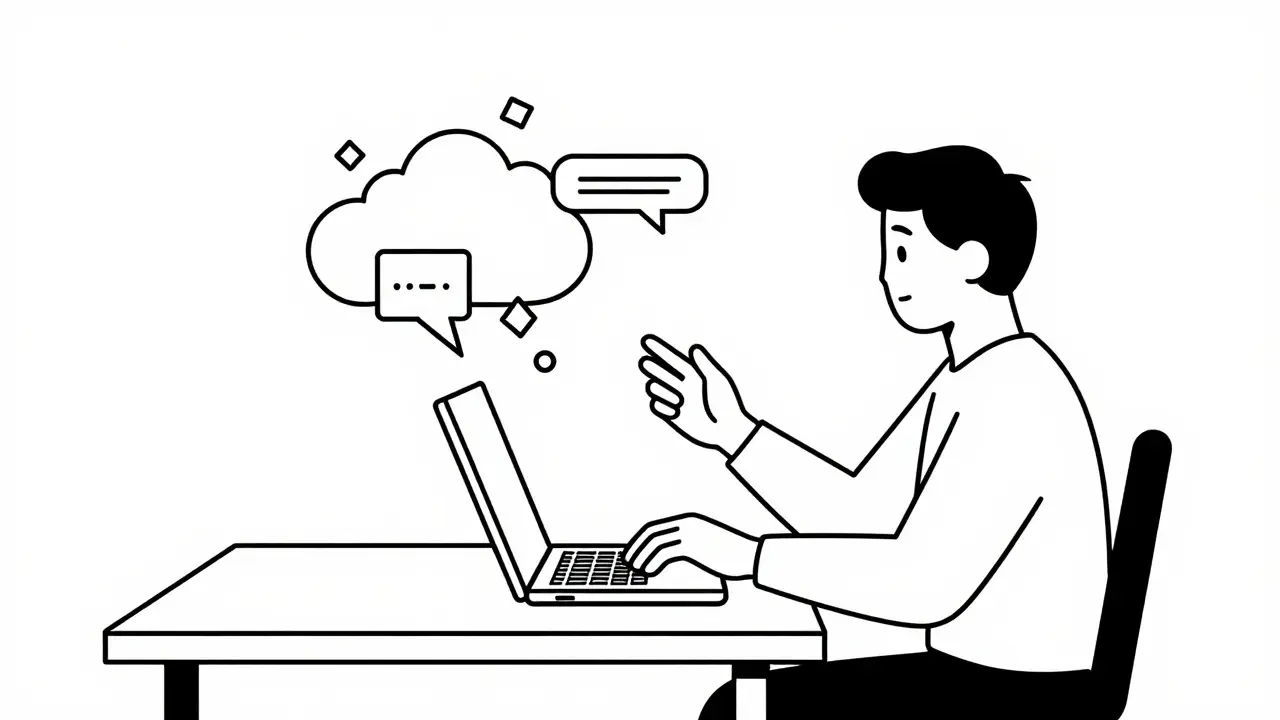
Remember when writing a simple login page took an afternoon? In vibe coding is a development paradigm where engineers use natural language prompts to generate, iterate, and debug code through conversational AI interfaces., that same task might take five minutes. But here’s the catch: just because you can build it fast doesn’t mean you know how it works. As we move through 2025, the title “Software Engineer” is shifting from someone who writes code to someone who orchestrates intelligence.
If you’re feeling a bit left behind or wondering if your career is about to become obsolete, you aren’t alone. The landscape has changed dramatically since late 2023. This isn’t just about faster typing; it’s about a fundamental shift in what value looks like in tech. Let’s break down exactly how this new reality affects your daily work, your skills, and your future.
The Shift from Typing to Orchestrating
Gone are the days when memorizing syntax was your primary job security. Today, tools like Cursor (specifically version 4.2) and GitHub Copilot Chat handle the heavy lifting of boilerplate implementation. According to data from IEEE Software’s March 2025 issue, developers now spend roughly 63% of their time refining prompts and validating AI output rather than manually typing out functions.
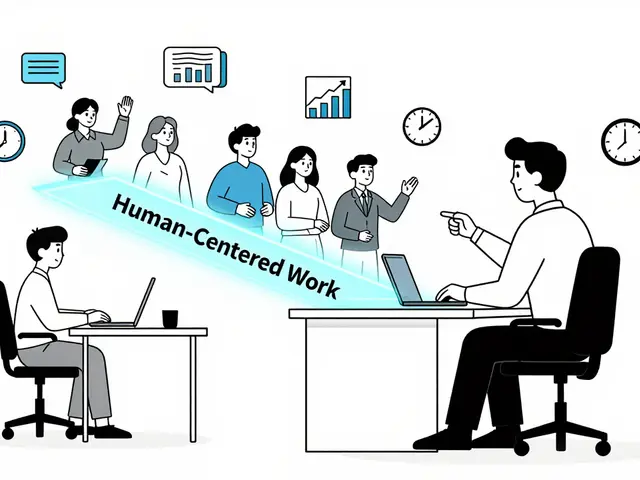
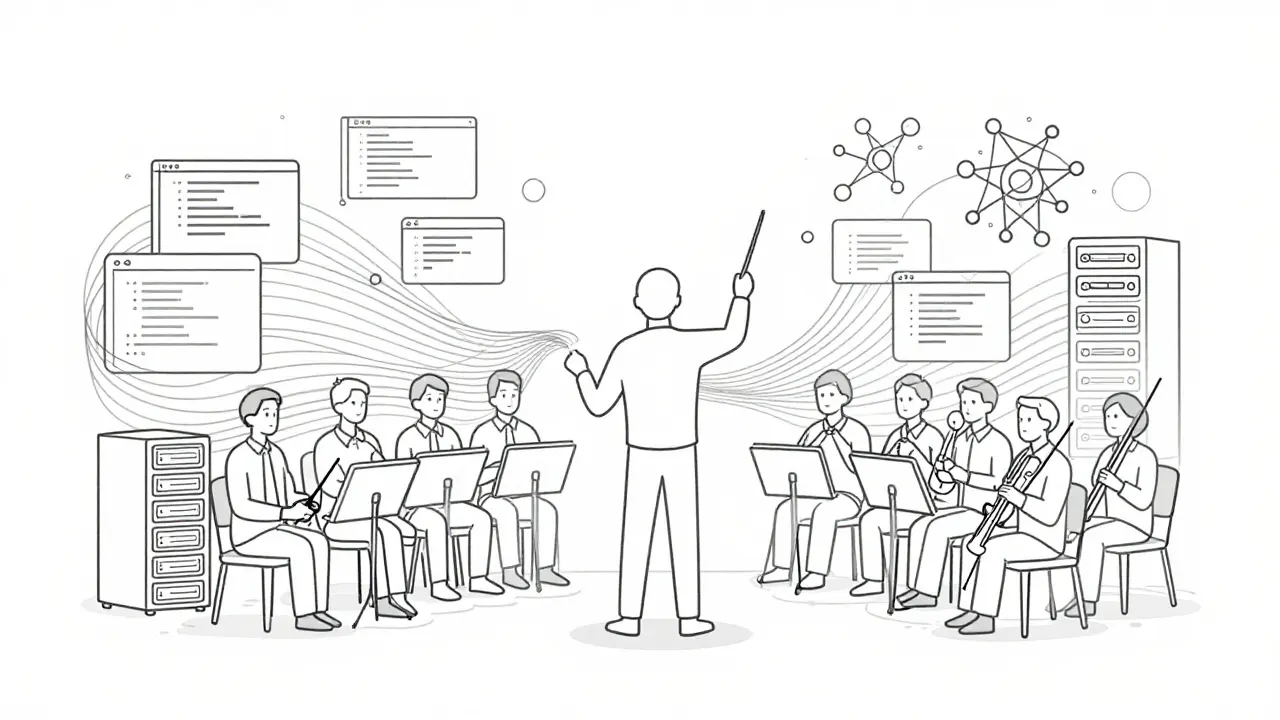
This means your role has evolved into that of an architect and a critic. You are no longer the bricklayer; you are the foreman inspecting the wall. If you treat the AI as a magic button, you will fail. If you treat it as a junior developer who knows everything but understands nothing, you will thrive. The key skill here is "prompt archaeology"-the ability to reverse-engineer why the AI generated specific problematic code and guide it toward a better solution.
- Prompt Engineering: Crafting precise instructions that account for edge cases and context.
- Validation: Rigorously testing AI-generated code against business logic requirements.
- System Design: Structuring problems so they can be broken down into manageable AI tasks.
Productivity Gains vs. Technical Debt Traps
Let’s talk numbers, because the hype can be misleading. A survey by Bubble.io published in January 2025 found that 23.5% of developers reported being 10x faster with vibe coding tools. That sounds incredible. However, another 22% said their productivity remained about the same. Why the discrepancy?
The answer lies in the complexity of the task. Vibe coding excels at rapid prototyping. GitHub’s State of Octoverse 2024 report noted that initial prototyping time dropped by 78.3%. But here is the hidden cost: maintenance costs increased by 34.7% when those prototypes moved to production without significant refactoring.
Think of it like ordering fast food versus cooking a meal. Fast food is quick and satisfying, but if you eat it every day, your health suffers. Similarly, shipping AI-generated code without understanding its structure creates massive technical debt. Dave Farley, co-author of *Continuous Delivery*, warned in February 2025 that this approach creates a "technical debt crisis," citing a 41.3% increase in post-release defects in AI-heavy codebases.

Top Tools Defining the 2025 Landscape
Not all vibe coding tools are created equal. Choosing the right one depends on whether you are building a startup MVP or maintaining an enterprise legacy system. Here is how the major players stack up in mid-2025:
| Tool | Best For | Key Feature | Cost (Monthly) |
|---|---|---|---|
| Cursor | Full-stack application development | Composer feature with Claude 3.5 Sonnet integration | $20 (Individual) |
| v0 by Vercel | Frontend UI components | Generates production-ready React/Tailwind CSS code | Free tier available |
| Lovable | Non-technical founders & PMs | Chat-based full app generation | $15 (Pro Plan) |
| WindSurf IDE | Enterprise agentic workflows | Cascade capabilities for complex multi-file edits | $75 (Per User) |
Notice that while Lovable is great for getting a product off the ground quickly, it often produces "black box" code that breaks during scaling. Senior engineers prefer Cursor or WindSurf because they offer more control over the underlying architecture, even if the setup is slightly more complex.
The New Skill Set: What Employers Actually Want
If you are updating your resume or preparing for interviews in 2025, stop listing languages you have memorized. Start highlighting your ability to manage AI agents. Hired.com’s 2025 Tech Salary Report shows that senior engineers acting as "AI whisperers" command a 22.7% salary premium. These are people who understand model limitations and can guide complex implementations.
Here is what the modern software engineer needs to master:
- Context Management: Knowing how to feed the AI the right files and documentation so it doesn't hallucinate incorrect dependencies.
- Code Review Hygiene: Implementing "AI code review gates" which TechCrunch reports increased production readiness by 42.6% in enterprise deployments.
- Debugging Logic: Using features like GitHub Copilot’s "Explain This Code" to understand the rationale behind generated snippets.
Junior developers (1-3 years experience) are adapting faster, reporting 38.7% higher satisfaction with these tools compared to veterans. This suggests a generational shift where intuition for AI collaboration is becoming a core competency, not just a bonus.
Navigating the Risks: Compliance and Security
You cannot ignore the legal side of this equation. The EU’s AI Act, effective February 2, 2025, requires "human oversight logs" for AI-generated production code. This adds a 15-20% compliance overhead per Deloitte’s implementation guide. If you are working for a Fortune 500 company, you likely won't be using vibe coding for core banking systems yet-only 22.7% of such companies deploy it beyond proof-of-concept stages due to these strict regulations.
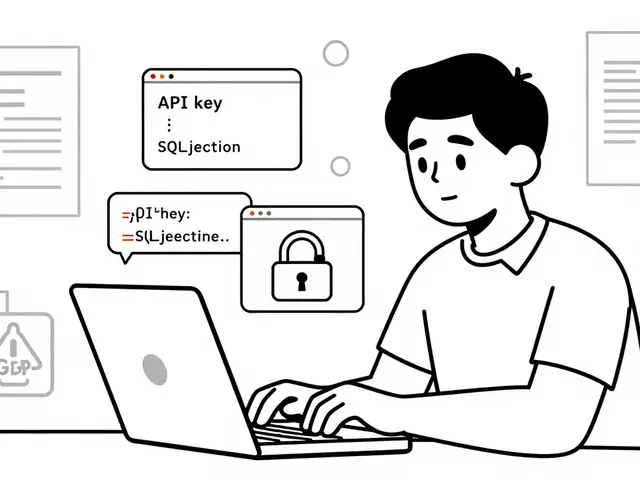
However, startups are moving fast. Y Combinator’s 2025 State of Startups report shows 78.4% of startups use vibe coding for initial prototyping. If you are in a smaller team, you must balance speed with security. Never paste proprietary algorithms directly into public AI models without checking your vendor's data privacy policy. Local options like Codestral via Ollama require 16GB RAM but keep your data on-premise, offering a safer alternative for sensitive projects.
What Comes Next? The Hybrid Future
We are currently at the "Peak of Inflated Expectations" for vibe coding, according to Gartner’s April 2025 Hype Cycle. This means excitement is high, but real-world implementation is hitting walls. The prediction is a two-year descent into the "Trough of Disillusionment" for teams that try to skip traditional engineering principles.
But don't worry-the industry isn't dying; it's maturing. By 2027, Forrester predicts the lines between vibe coding and visual development will blur. We are seeing early signs of this with hybrid platforms like Bubble.io capturing 28.4% of the market. The future belongs to engineers who can seamlessly switch between prompting an AI agent and diving into the raw codebase to fix what the AI broke.
Your job isn't going away. It’s just getting harder in different ways. You need to be smarter, more critical, and more strategic. Embrace the tool, but never trust it blindly.
Is vibe coding replacing software engineers?
No, it is redefining them. While routine coding tasks are automated, the demand for engineers who can design systems, validate AI output, and manage technical debt is increasing. The role shifts from implementation to orchestration and quality assurance.
Which vibe coding tool is best for beginners in 2025?
For absolute beginners or non-technical founders, Lovable is highly recommended due to its chat-based interface. For aspiring developers who want to learn while building, Cursor is the best choice because it integrates with standard VS Code workflows and allows you to see and edit the generated code easily.
How do I avoid technical debt when using AI code generators?
Implement strict code review processes. Treat AI-generated code as untrusted input. Use "AI code review gates" to check for security vulnerabilities and architectural consistency before merging. Additionally, regularly refactor AI-generated modules to ensure they align with long-term maintainability standards.
Is it safe to use vibe coding for enterprise applications?
It depends on the data sensitivity. For public-facing apps or internal tools with non-sensitive data, yes. For regulated industries (finance, healthcare), you must comply with laws like the EU AI Act, which requires human oversight logs. Many enterprises restrict AI coding to prototyping phases only until local, private-hosted models become more robust.
Will knowing Python or JavaScript still matter?
Absolutely. You need to understand the language to effectively prompt the AI and, more importantly, to debug when the AI fails. Without foundational knowledge, you cannot distinguish between correct code and plausible-looking nonsense, leading to severe bugs.
 Artificial Intelligence