
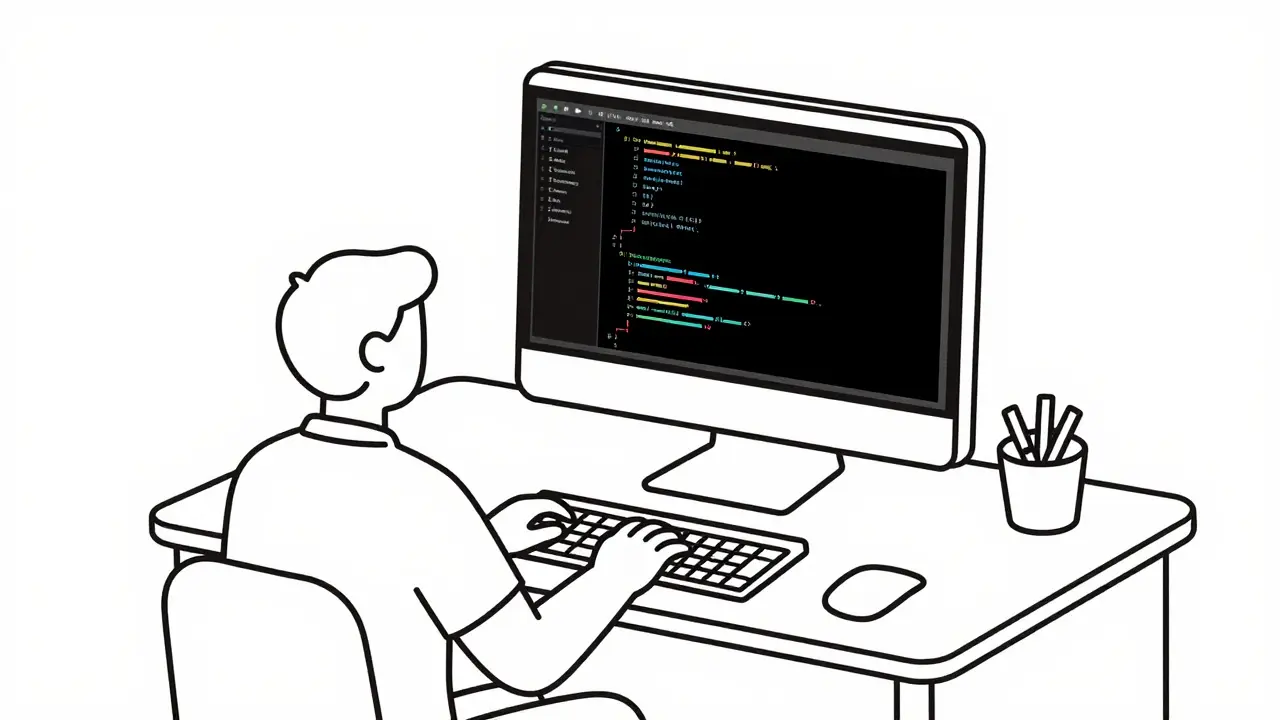
Remember when writing code meant staring at a black screen and typing out every single semicolon? That era is ending. We are witnessing the rise of vibe coding, a term that captures the shift from manual syntax entry to natural language interaction with generative artificial intelligence models. By 2030, this isn't just a buzzword; it’s the backbone of how most new software will be built. But what does that actually look like for businesses, developers, and the economy?
The numbers are staggering. The global market for generative AI coding assistants is projected to explode from roughly $25.9 million in 2024 to nearly $100 billion by 2030, depending on how you define the scope. Some analysts see a compound annual growth rate (CAGR) of over 35%. This isn't incremental change. It's a structural overhaul of the technology industry. Yet, behind the hype lies a complex reality of adoption hurdles, retention challenges, and a workforce that needs urgent retraining.
What Is Vibe Coding?
Vibe coding is a software development methodology where users describe applications using natural language, voice, or visual cues, and AI agents generate the underlying code. It sits at the intersection of two massive trends: the maturation of large language models (LLMs) and the widespread acceptance of low-code/no-code (LCNC) platforms.
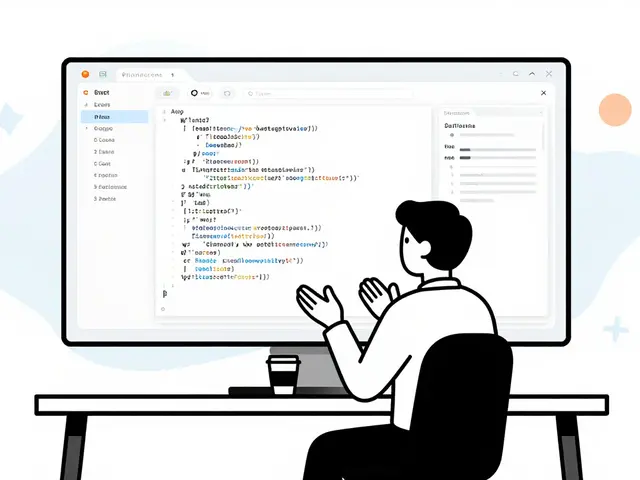
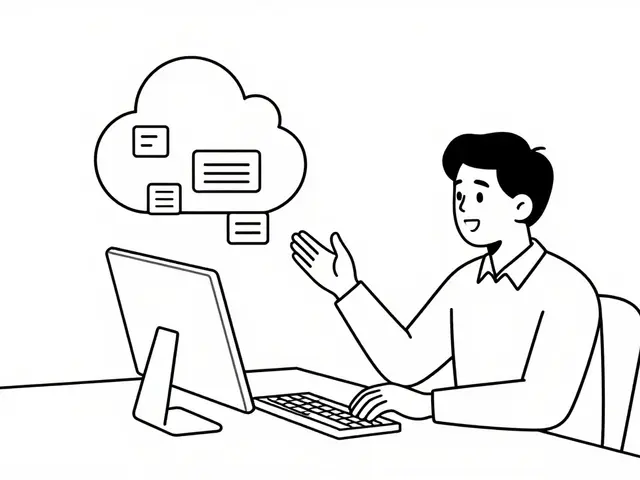
In traditional development, a programmer acts as both architect and bricklayer. In vibe coding, the human is the architect. You describe the function-"Create a dashboard that tracks sales leads and integrates with Salesforce"-and the AI handles the bricklaying. It writes the HTML, CSS, JavaScript, and backend logic. Tools like Cursor, Replit, and Lovable have popularized this approach, allowing non-technical founders to build minimum viable products (MVPs) in hours instead of months.
This shift democratizes software creation. A marketing manager can now prototype an internal tool without waiting six weeks for IT. However, it also raises the stakes for quality assurance. If anyone can build an app, who ensures it’s secure? Who maintains it when the business logic changes? These questions define the next five years of tech adoption.
Market Projections: The Hyper-Growth Phase
The financial trajectory of this sector is vertical. According to data from Grand View Research and other major firms, the generative AI-powered coding market is expected to reach between $25 billion and $106 billion by 2030. The variance in these figures depends on whether analysts include adjacent tools like automated testing and cloud infrastructure optimization, but the consensus is clear: hyper-growth.
| Metric | Value / Projection | Source Context |
|---|---|---|
| Generative AI Coding Assistants CAGR | 24.8% - 35.9% | Varies by market definition |
| Projected Market Size (2030) | $25B - $100B+ | Including broader AI-assisted dev |
| Low-Code/No-Code Market (2030) | $101.7 Billion | Gartner |
| AI Code Generation Segment CAGR | 52% | Fastest growing subsegment |
Why such explosive growth? Because speed equals revenue. Companies that ship features faster capture market share earlier. Vibe coding reduces development cycles by up to 55% in some startup scenarios. For venture-backed companies, this efficiency is existential. The combined valuation of leading vibe coding startups like Cognition, Lovable, and Replit jumped 350% year-over-year into 2025, reflecting investor confidence in this paradigm shift.
Adoption Scenarios: Who Wins by 2030?
Not everyone will adopt vibe coding at the same pace. We’re seeing a bifurcation between agile startups and legacy enterprises.
Startups and Early-Stage Companies: By 2030, approximately 25% of Y Combinator-backed startups will use AI to generate the majority of their code. These teams are small, resource-constrained, and need to move fast. They treat AI as a co-founder. The result? Faster MVPs, lower burn rates, and the ability to pivot quickly. However, they face higher risks of technical debt if the AI-generated code isn’t properly reviewed.
Enterprises: Large organizations are slower but more impactful. Gartner predicts that by 2028, enterprises will use vibe coding techniques to create 40% of all new production software. This isn’t about replacing developers; it’s about augmenting them. Enterprise adoption requires robust governance, security protocols, and integration with existing systems. The barrier here isn’t technology-it’s culture and compliance.
The Hybrid Model: Most companies will land in the middle. Developers will use AI to handle boilerplate code, API integrations, and documentation, freeing them to focus on complex architecture and user experience design. By 2026, 60% of new software code is expected to be AI-generated. This means the role of the "coder" shifts to "code reviewer" and "system orchestrator."">
The Hidden Costs: Retention and Unit Economics
Here’s the catch that few discuss openly: vibe coding is expensive to run. Generating code in real-time requires massive computational power. Each line of code produced by an LLM costs money in inference fees. For platforms offering free tiers, this creates fragile unit economics.
We’ve already seen signs of strain. After peaking in summer 2025, traffic to major vibe coding platforms like Lovable and Bolt.new declined significantly-by 40% and 27% respectively. Why? Because many early adopters were experimenting, not building sustainable products. When the novelty wore off, they left. Those who stayed faced high costs for heavy usage.
This retention challenge suggests a potential plateau in 2026-2027. As visibility grows, so do expectations. Users want perfect code, zero bugs, and instant deployment. Current tools often fall short, producing inconsistent quality or introducing security vulnerabilities. Until AI models become cheaper and more reliable, widespread enterprise adoption may stall until these economic and technical hurdles are cleared.
Workforce Transformation: The Reskilling Imperative
If 60% of code is AI-generated, what happens to developers? Panic? No. Evolution.
By 2027, an estimated 80% of developers will require training to adapt to AI-guided workflows. The skills that matter are changing. Memorizing syntax is obsolete. What matters now is:
- Prompt Engineering: Knowing how to ask the AI for exactly what you need.
- System Architecture: Designing how components interact at a high level.
- Security Auditing: Identifying vulnerabilities in AI-generated code.
- Integration Logic: Connecting disparate systems and APIs effectively.
Organizations that invest in reskilling will thrive. Those that don’t will find themselves bottlenecked by legacy talent unable to leverage new tools. The central challenge isn’t technical capability-it’s organizational readiness. Change management becomes the critical success factor.
Risks and Challenges: Quality, Security, and Ethics
Vibe coding introduces new risks that traditional development didn’t face. First, there’s the issue of code quality. AI models can hallucinate, creating code that looks correct but fails under edge cases. This leads to maintainability nightmares. Who fixes the bug when the original developer didn’t write the code?
Second, security vulnerabilities increase. Developers may overtrust AI output, skipping rigorous testing. AI-generated code might contain hidden backdoors or inefficient algorithms that consume excessive resources. Third, intellectual property concerns arise. If an AI generates code based on proprietary datasets, who owns the resulting application? Legal frameworks are lagging behind technological capabilities.
Finally, there’s the ethical dimension. Bias in training data can lead to biased software. Accessibility must be prioritized, ensuring that AI tools don’t exclude users with disabilities. Addressing these issues requires proactive governance, not reactive patching.
Future Trends: Voice, Vision, and Green SDLC
Looking beyond 2027, several emerging trends will shape the vibe coding landscape:
- Voice-to-Code Programming: Imagine describing an app verbally while watching it materialize on screen. This enhances accessibility for users with motor impairments and speeds up ideation.
- Domain-Specific AI Assistants: General-purpose models will give way to specialized ones. Banking AI will understand regulatory requirements; healthcare AI will prioritize privacy protocols. This contextual depth improves accuracy and trust.
- Visual Development Paradigms: Text-based interfaces may fade. Future tools could allow developers to manipulate visual representations of data flow and UI elements, with AI translating designs into code automatically.
- Green Software Development: As compute costs rise, sustainability becomes crucial. Carbon-aware pipelines will optimize resource use, favoring renewable energy sources and efficient algorithms. This aligns economic incentives with environmental responsibility.
- Quantum and Edge Integration: Hybrid quantum-classical workflows and lightweight edge deployments will emerge, optimizing for latency and resource constraints in IoT and mobile environments.
Strategic Recommendations for Stakeholders
For businesses, the message is clear: start preparing now. Don’t wait for perfection. Pilot vibe coding tools in low-risk projects. Invest in developer training. Establish governance frameworks for AI-generated code. Monitor unit economics closely to avoid unsustainable spending.
For developers, embrace the shift. Learn to collaborate with AI. Focus on high-level problem-solving rather than low-level implementation. Stay curious about new paradigms like voice and visual coding. Your value lies in your judgment, not your keystrokes.
For investors, look beyond headline growth. Assess retention metrics, unit economics, and path to profitability. Support companies solving real problems, not just chasing hype. The winners will be those who balance innovation with operational discipline.
Is vibe coding going to replace software developers?
No, it will transform their roles. Developers will shift from writing code to reviewing, architecting, and integrating AI-generated solutions. The demand for skilled professionals who can manage AI systems will likely increase, even as the volume of manual coding decreases.
How much does vibe coding cost compared to traditional development?
Initially, vibe coding can reduce labor costs significantly by speeding up development. However, compute costs for AI inference are high. Long-term savings depend on efficiency gains and reduced time-to-market. Poorly managed usage can lead to unexpected expenses due to high API call volumes.
What are the biggest security risks of AI-generated code?
Risks include undetected vulnerabilities, insecure dependencies, and lack of transparency in how decisions were made. AI may replicate known bad patterns from training data. Rigorous testing, static analysis, and human review are essential to mitigate these threats.
When will vibe coding be mainstream in enterprises?
Gartner predicts 40% of new enterprise software will use vibe coding techniques by 2028. Adoption is accelerating but slowed by governance, security, and cultural resistance. Expect steady growth through 2030 as tools mature and standards emerge.
Can non-technical people really build apps with vibe coding?
Yes, for simple applications and prototypes. Tools like Lovable and Replit enable non-coders to create functional MVPs. However, scaling, maintaining, and securing complex enterprise systems still requires technical expertise. Vibe coding lowers the barrier to entry but doesn’t eliminate the need for specialists.
What skills should developers learn to stay relevant?
Focus on system architecture, prompt engineering, security auditing, and integration logic. Understanding how to guide AI, verify its output, and connect disparate systems will be more valuable than memorizing programming syntax.
 Artificial Intelligence
Edward Gilbreath
June 20, 2026 AT 21:25kimberly de Bruin
June 21, 2026 AT 05:05Edward Nigma
June 23, 2026 AT 02:46Francis Laquerre
June 24, 2026 AT 14:16michael rome
June 25, 2026 AT 04:44Andrea Alonzo
June 26, 2026 AT 12:46Patrick Dorion
June 28, 2026 AT 04:53Lisa Puster
June 28, 2026 AT 10:04Joe Walters
June 30, 2026 AT 09:01Robert Barakat
June 30, 2026 AT 11:31