You’ve probably seen the headlines. "Developers are 74% faster with AI." It sounds like a dream scenario where you type a sentence and get a working application in seconds. But if you’re a developer who has actually tried Vibe Coding is an AI-assisted development approach where programmers use natural language prompts to generate code via large language models, you might feel something is off. Why does your pull request still take hours? Why are you debugging more than you’re writing?
The truth is messier-and more interesting-than the marketing copy suggests. While adoption is skyrocketing, the actual productivity uplift varies wildly based on who you are, what you’re building, and how you manage the AI. Let’s cut through the hype and look at what data from Stanford, METR, and real-world surveys actually say about vibe coding in late 2025.
What Is Vibe Coding Really?
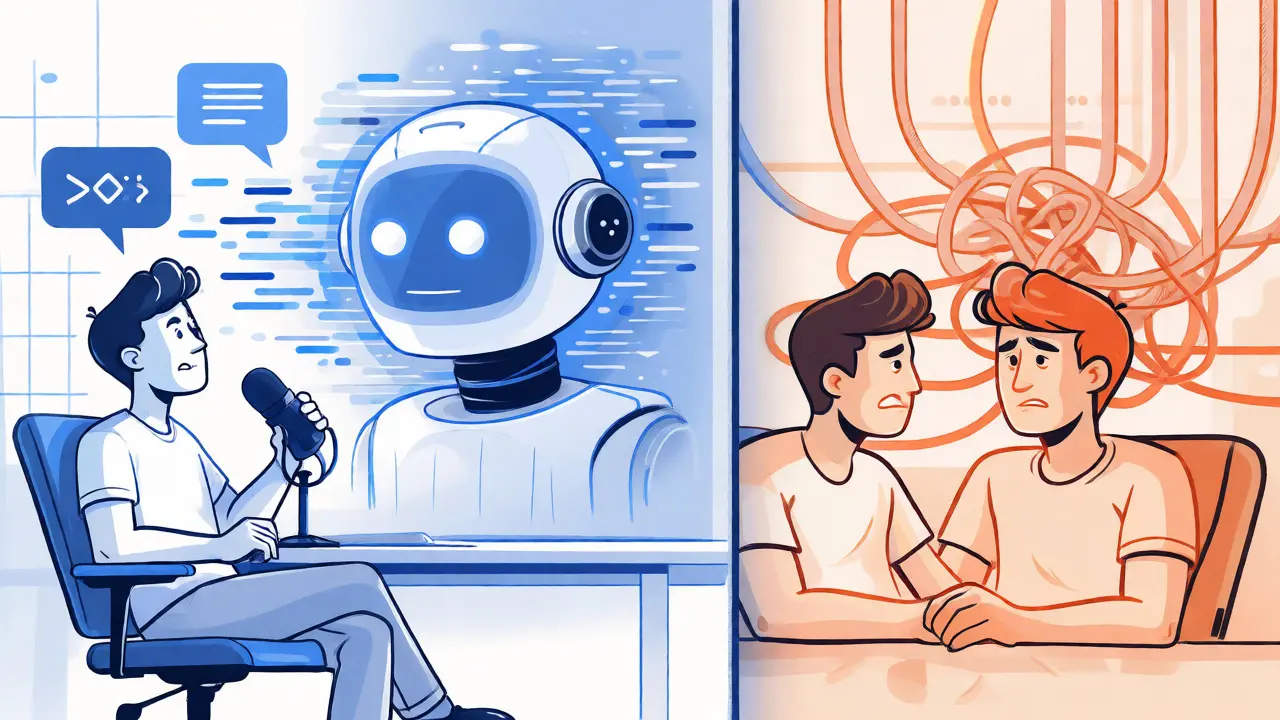
Before we talk numbers, let’s define the thing. Vibe coding isn’t just autocomplete on steroids. Coined by OpenAI co-founder Andrej Karpathy, it describes a workflow where you stop worrying about syntax and start focusing on intent. You describe what you want; the AI generates the code; you review and tweak it. It’s less about typing and more about directing.
This shift relies heavily on Large Language Models (LLMs) like those powering GitHub Copilot is the leading AI pair programming tool with 45% market share among professional developers. Unlike traditional IDEs that wait for you to finish a line, these tools predict entire functions or classes based on context. But here’s the catch: they don’t “understand” your project. They pattern-match against billions of lines of public code. This distinction matters because it explains why vibe coding works brilliantly for boilerplate but fails spectacularly for complex business logic.
The 74% Claim vs. The Data
Where did this 74% figure come from? It’s often cited as an average productivity gain across various studies. However, recent research paints a more nuanced picture. A massive study by Stanford University analyzing over 100,000 software engineers found that while adoption is high, outcomes depend heavily on experience level.
| Experience Level | Perceived Speedup | Actual Code Quality | Primary Risk |
|---|---|---|---|
| Juniors (0-2 years) | High (+30%) | Low (40% rework rate) | Skill Atrophy & Bugs |
| Mid-Level (3-9 years) | Moderate (+20%) | Mixed | Context Errors |
| Seniors (10+ years) | Variable (-10% to +32%) | High (if curated) | Over-reliance |
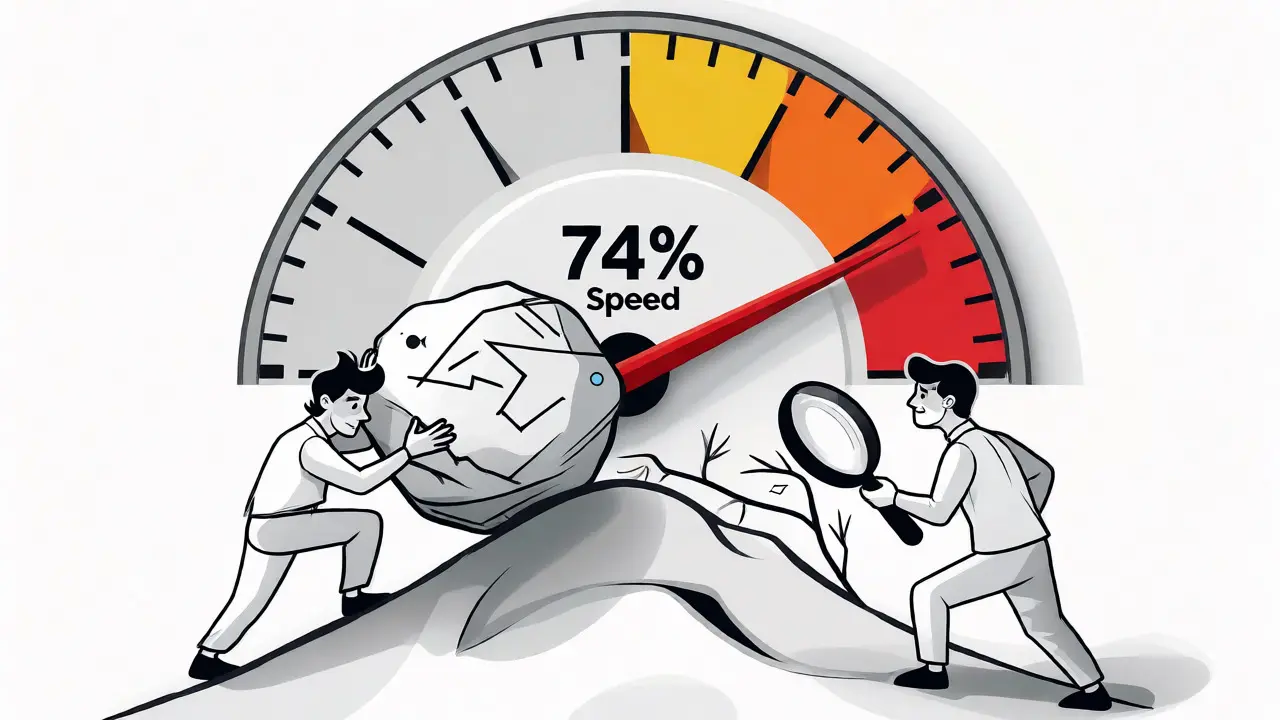
Notice the discrepancy? Juniors feel faster because they spend less time staring at blank screens. But their Pull Requests often require 40% more rework requests. Seniors, conversely, might see a slowdown initially because they spend more time reviewing AI output than they would writing code themselves. A randomized controlled trial by METR involving experienced open-source developers showed a 19% increase in completion time when using AI tools, despite developers expecting a 24% reduction. That’s a 39-point gap between expectation and reality.
Why Greenfield Projects Win (and Legacy Fails)
Not all projects are created equal for vibe coding. If you’re starting from scratch-a greenfield project-vibe coding shines. Stanford’s data shows an 87% success rate for low-complexity new applications. Why? Because there’s no existing architecture to break. The AI can hallucinate a structure, and you can accept it because there’s nothing to conflict with.
But try dropping vibe coding into a ten-year-old Java monolith. Success rates drop to 42%. Why? Context windows. LLMs have limits. When you feed them a massive codebase, accuracy plummets. At 32,000 tokens, model accuracy can drop from 90% to roughly 50%. This forces you into "Context Engineering," a fancy term for carefully selecting which files to show the AI. If you dump everything in, you get noise. If you select too little, you get irrelevant code.
Language choice also plays a huge role. JavaScript and Python, with their vast training datasets, see productivity gains of 35-40%. Legacy languages like COBOL? Only 8-12% improvement. The AI simply hasn’t seen enough modern COBOL patterns to be truly helpful without heavy human correction.
The Hidden Cost: Debugging and Technical Debt
Here is the part nobody puts in the brochure: debugging AI-generated code is harder than debugging your own. IBM’s case studies indicate that fixing bugs introduced by AI takes 2.7x longer than original development. Why? Because you didn’t write it. You didn’t build the mental model of *why* the code exists. Reading machine-written code imposes a higher cognitive load.
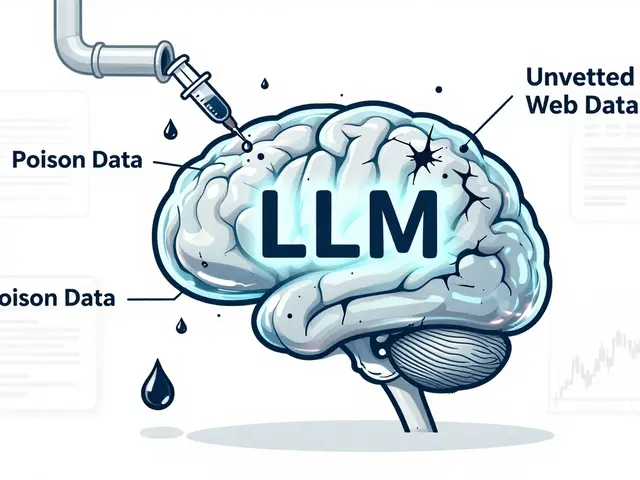
Experienced engineers report reviewing 37% more code since adopting AI assistants. You aren’t just writing; you’re auditing. And if you’re not careful, you accumulate technical debt. AI loves syntactically correct but logically flawed code. It produces "hallucinations" that look perfect until they fail in production. One Reddit user summed it up perfectly: "Copilot saves me 3-4 hours daily on boilerplate, but I've burned 2 full days debugging its 'solutions' to complex problems."

How to Actually Get the Uplift
So, is vibe coding useless? Absolutely not. But it requires discipline. Here is how successful teams are getting past the initial slowdown:
- Master Context Injection: Don’t paste whole files. Learn to curate context. Developers who master selective context injection see 35% gains versus 12% for those who dump everything.
- Start Small: Use AI for tests, CRUD operations, and documentation first. Save complex algorithms for human brains.
- Implement Mandatory Reviews: 67% of companies adopting these tools now require specific audits for AI-generated code. Treat it like third-party library code-trust, but verify.
- Invest in Training: It takes 3-4 weeks to develop effective prompting skills. Senior devs adapt 2.3x faster, but juniors need structured guidance to avoid bad habits.
Tools like IBM’s Bob platform are introducing features like "Literate Coding" modes, forcing developers to explicitly approve changes before they merge. This friction is intentional-it slows you down just enough to catch errors before they become expensive.
The Future: Amplifier, Not Replacement
Gartner correctly positions these tools as "amplifiers for skilled practitioners," not automation for novices. The productivity curve has an inflection point. Fastly’s survey suggests that after 18 months of consistent use, developers overcome the initial learning dip and see net positive productivity.
By 2027, Gartner predicts these environments will become fully context-aware, stabilizing productivity gains at 25-30% for skilled users. The key takeaway? Vibe coding doesn’t make you a better programmer automatically. It makes a good programmer faster and a careless programmer busier.
Is vibe coding suitable for junior developers?
It is risky without supervision. While juniors feel faster, data shows their code requires 40% more rework due to skill atrophy and lack of architectural understanding. Mentorship is critical.
Which programming languages benefit most from AI coding tools?
JavaScript and Python see the highest gains (35-40%) due to extensive training data. Legacy languages like COBOL see minimal benefits (8-12%) because models have less exposure to modern best practices in those ecosystems.
Why do some developers report slower speeds with AI?
Debugging AI-generated code takes 2.7x longer than writing it yourself. Additionally, managing context windows and reviewing generated output adds cognitive load, especially in complex legacy systems.
What is the biggest risk of using vibe coding in production?
Technical debt accumulation. AI often produces syntactically correct but logically flawed code that passes basic tests but fails under edge cases, requiring significant future maintenance effort.
How long does it take to become proficient in vibe coding?
Most developers require 3-4 weeks of dedicated practice to learn effective prompting and context management. Experienced developers adapt faster, but everyone faces an initial productivity dip.
 Artificial Intelligence