
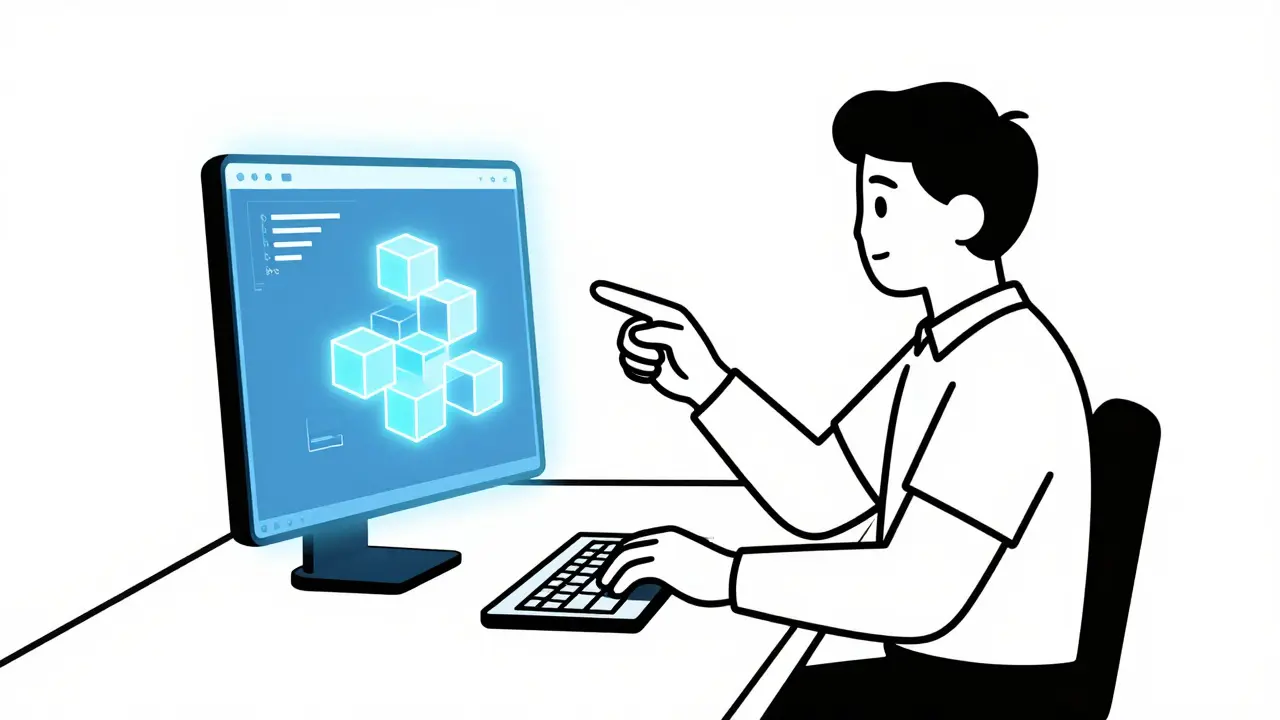
Vibe Coding isn’t just another buzzword floating through the tech industry in 2026. It represents a hard pivot in how we build software. If you’re used to thinking that a developer must understand every single function call, every bracket, and every variable assignment before deploying an application, you might be fighting against the current tide of modern engineering. This approach, coined by computer scientist Andrej Karpathy, challenges the traditional belief that comprehensive code comprehension is a prerequisite for success. Instead, the focus shifts to directing intent rather than micromanaging syntax.
The Core Philosophy Behind Vibe Coding
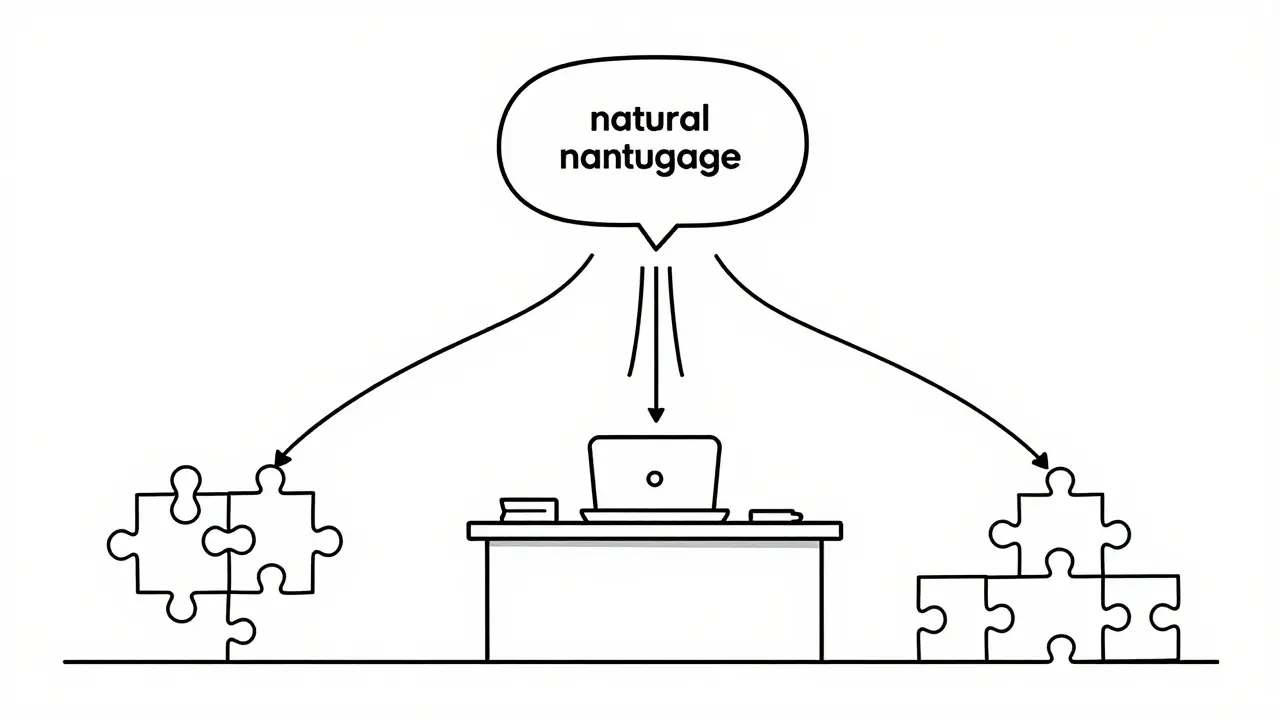
To grasp why knowing every line isn’t the priority, you have to look at the definition of the practice itself. Vibe coding is an AI-assisted programming approach where developers express intentions in natural language, and AI systems transform those intentions into executable code. In the past, writing software felt like carving stone. You had to know the grain of the material, the shape of the chisel, and the exact force needed for every strike. Today, with Large Language Models and AI agents handling the heavy lifting, the role of the human changes from mason to architect.
Think about the last time you built a simple feature, like a login form. In the old days, you might spend hours setting up authentication middleware, configuring database schemas, and writing CSS classes to make it look decent. In a vibe coding workflow, you tell the system what you need. The machine handles the boilerplate. This doesn’t mean you stop caring about quality. It means you stop worrying about the manual typing of repetitive structures. The goal becomes validation-getting a working solution quickly-rather than perfection on the first try.
How the Workflow Actually Plays Out
The process differs significantly from the traditional waterfall or agile development models we saw a decade ago. When you adopt vibe coding, you aren’t starting with a detailed architecture diagram. You start with a problem statement. The workflow generally follows a loop:
- Prompting: You describe the desired functionality in plain English.
- Generation: Tools like GitHub Copilot or ChatGPT translate that prompt into code blocks.
- Iteration: You run the code. If it breaks, you don’t necessarily debug line-by-line immediately. You adjust your instructions.
- Review: Before shipping, you audit the output for logic and safety.
This flow removes the friction of “writer’s block.” You don’t sit there wondering which library to import because the AI guesses based on context. However, this speed comes with a catch. Because you aren’t typing the syntax, you aren’t learning the syntax in real-time. That’s fine for getting a prototype off the ground. For long-term maintenance, the gap needs to be filled differently.
The Shift From Syntax to Strategy
Experienced developers often worry that relying on AI erodes their fundamental skills. That concern is valid if the goal is to maintain a specific type of manual mastery. But if the goal is building software efficiently, the cognitive load shifts. Instead of focusing on memory-based tasks, you focus on higher-level strategy. You become a project director overseeing the technical execution.
Consider the concept of Natural Language Processing. As these tools get better at understanding nuance, the barrier to entry lowers. A non-technical founder can now describe an app idea and see a functional dashboard emerge within minutes. They don’t need to know how a SQL injection attack works to build a database connection, but they do need to know that it exists. The human element moves from “writing” to “reviewing.” Your value isn’t in how fast you type; it’s in how well you judge whether the AI’s suggestion aligns with business logic.
| Aspect | Traditional Coding | Vibe Coding |
|---|---|---|
| Primary Focus | Implementation Details | Outcome Validation |
| Starting Point | Architecture Design | Natural Language Prompts |
| Speed of Prototype | Days or Weeks | Hours |
| Risk Factor | Manual Errors | AI Hallucinations/Security Gaps |
Addressing Security and Quality Concerns
This is where the conversation gets serious. Not understanding every line generated does not mean ignoring the code completely. It creates a specific vulnerability window. If the AI generates a function that handles user credentials without proper encryption, and you haven’t reviewed that line, you are inviting trouble. Organizations are now introducing AI-Paired Programming policies. This means that even if you use AI to write the draft, a human pair reviews the final product before it hits production.
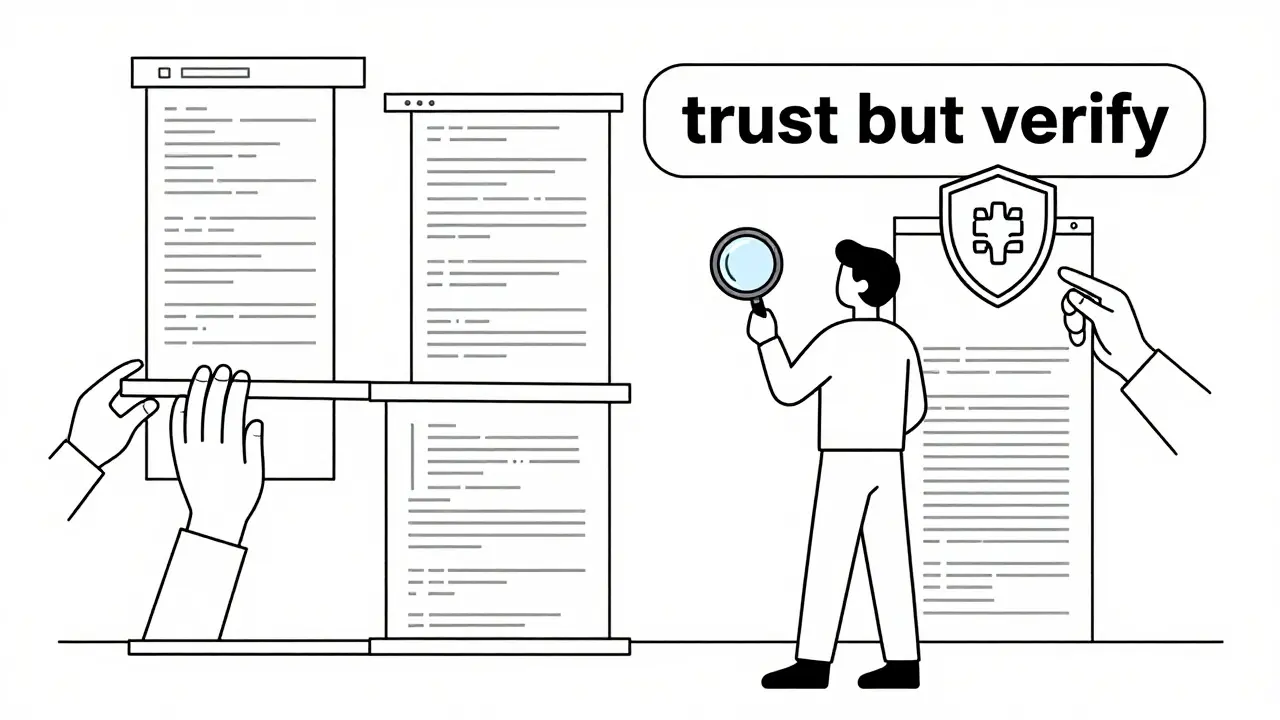
Attack surfaces expand when you move faster. More code gets written in shorter periods. If you rely entirely on automation, you might miss subtle logical errors that an experienced eye would catch instantly. The industry consensus is clear: momentum is great, but oversight is mandatory. Tools like static code analyzers are becoming part of the standard vibe coding stack to catch these slips before deployment. The mindset isn’t “trust blindly.” It’s “trust but verify.”
Accessibility and Democratization of Development
One of the most profound impacts of this shift is who gets to build software. Previously, you needed years of study to learn C++, Python, or Java effectively. Now, the requirement is mostly literacy. You need to be able to articulate a request clearly. This opens doors for creators who have brilliant ideas but lack the patience or aptitude for deep syntax mastery. It levels the playing field, allowing Non-Technical Founders to prototype their own products without hiring a full team immediately.
However, this democratization requires education. Users still need to understand the basic concepts of web security, data privacy, and API limits. Just because the AI writes the code doesn’t mean the AI understands the legal implications of your startup. You need to know enough to ask the right constraints. “Make sure this complies with GDPR” is a crucial instruction to give the model before asking for a signup form.
The Role of Human Review in the Loop
We cannot ignore the fact that debugging is still a human job. The AI is excellent at generating the first version. It is less consistent when things go wrong in unexpected ways. When the code fails, you still need to read the error log and guide the AI back on track. This requires a foundational knowledge of how computers think, even if you aren’t manually writing the loops. Your role transforms into being a conductor. The orchestra plays beautifully, but you have to listen for dissonance. If the violin section (the frontend) isn’t syncing with the brass section (the backend), you need to identify that gap. This listening skill is distinct from the ability to play the violin yourself. You are managing the relationship between components, ensuring data flows securely from input to storage.
Preparing for the Future of Development
By March 2026, this isn’t experimental anymore. Major platforms support this natively. The industry accepts that the bottleneck of coding is shifting. The challenge now is managing the volume of generated assets. Without understanding the code deeply, documentation becomes critical. You need to maintain logs of why certain decisions were made. Otherwise, six months later, you won’t know why that spaghetti code exists, even if the AI wrote it perfectly at the time.
Teams are adopting “pair programming” styles where one human directs and the other reviews. This preserves accountability. It ensures that while speed is high, safety isn’t compromised. As we move forward, the definition of a “Senior Developer” will likely change. It will be less about memorizing libraries and more about architectural intuition and rigorous testing strategies.
Is vibe coding suitable for enterprise-level applications?
Yes, but with strict guardrails. Enterprise environments require standardized codebases and security compliance. Vibe coding accelerates development, but you must implement mandatory human review processes and automated security scans before any code reaches production environments.
Do I still need to learn programming languages?
Understanding the fundamentals is beneficial. While vibe coding lets you delegate syntax, knowing how programming logic works helps you spot when the AI makes a mistake. You don’t need to master every command, but conceptual fluency is necessary for effective debugging and review.
What are the biggest risks of not reading the generated code?
The primary risks include hidden security vulnerabilities, such as unencrypted data handling or missing authentication checks. Additionally, AI may hallucinate dependencies or functions that don’t exist, leading to broken builds that can be difficult to trace without code literacy.
Who coined the term vibe coding?
The term was popularized by renowned computer scientist Andrej Karpathy in early 2025. He described it as giving in to the vibes and focusing on outcomes rather than the granular details of the implementation process.
Does this method replace the need for software engineers?
No. It changes the role of the engineer. The focus shifts from writing syntax to verifying logic and architecture. Engineers remain essential for system design, security audits, and ensuring that the AI-generated output meets complex business requirements.
 Artificial Intelligence
Kelley Nelson
March 27, 2026 AT 20:19The proposition presented herein fundamentally misunderstands the nature of engineering rigor. One must consider that legacy stability relies upon documented syntax choices. Without deep comprehension, debugging becomes a futile exercise of trial and error. The allure of speed often masks the accumulation of technical debt. We risk creating architectures that are inherently fragile under load. Furthermore, security vulnerabilities hidden within generated blocks could be catastrophic. The suggestion that validation replaces understanding is dangerously naive. History has shown us that shortcuts eventually collapse under their own weight. Professionals should resist the urge to automate critical cognitive processes. True mastery involves knowing why a solution works, not merely that it functions. The current trend ignores the pedagogical necessity of manual practice. Junior developers will never learn foundational logic through this filter. We are effectively outsourcing the core intellectual property of software construction. Long-term maintainability requires more than superficial approval workflows. Ultimately, this philosophy sets the industry back decades into obscurity.
Zelda Breach
March 29, 2026 AT 15:59The article rambles on about vibes while completely ignoring the actual structural decay happening in modern software repos. It is almost impressive how confidently one can state that code validation is optional. Honestly, it reads like a press release written by someone who has not touched a terminal since 2019. If security audits become obsolete because we trust the robot, enjoy living in the breach notification zone.
Alan Crierie
March 30, 2026 AT 05:53I think it is really cool that non-technical people can build things now though 🚀. We need more accessibility in development teams 👍. Just remember to keep learning the basics so you do not get lost when things break 😅.
Aryan Gupta
March 30, 2026 AT 19:05The comma splice in the second paragraph is unacceptable. Also why are big tech companies pushing this exact moment? Someone wants to replace engineers entirely. They want lazy coders who cant debug. The surveillance aspect of directing intent is worrying too. Trust no one.
Fredda Freyer
March 31, 2026 AT 23:18There is a philosophical shift occurring here regarding agency. When we delegate creation, we lose the intimate knowledge of the mechanism. However, history shows tools evolve cognition. Perhaps the new skill is curation rather than construction. We must remain vigilant but not luddites.
Gareth Hobbs
April 2, 2026 AT 00:34Americans always rush!! They dont care about proper methodology!! In Britain we value structure and safety!!! This vibe thing sounds like chaos theory applied to business!!. Stop trusting machines!!
Nicholas Zeitler
April 3, 2026 AT 15:24This perspective changes everything and I am fully onboard with the idea!