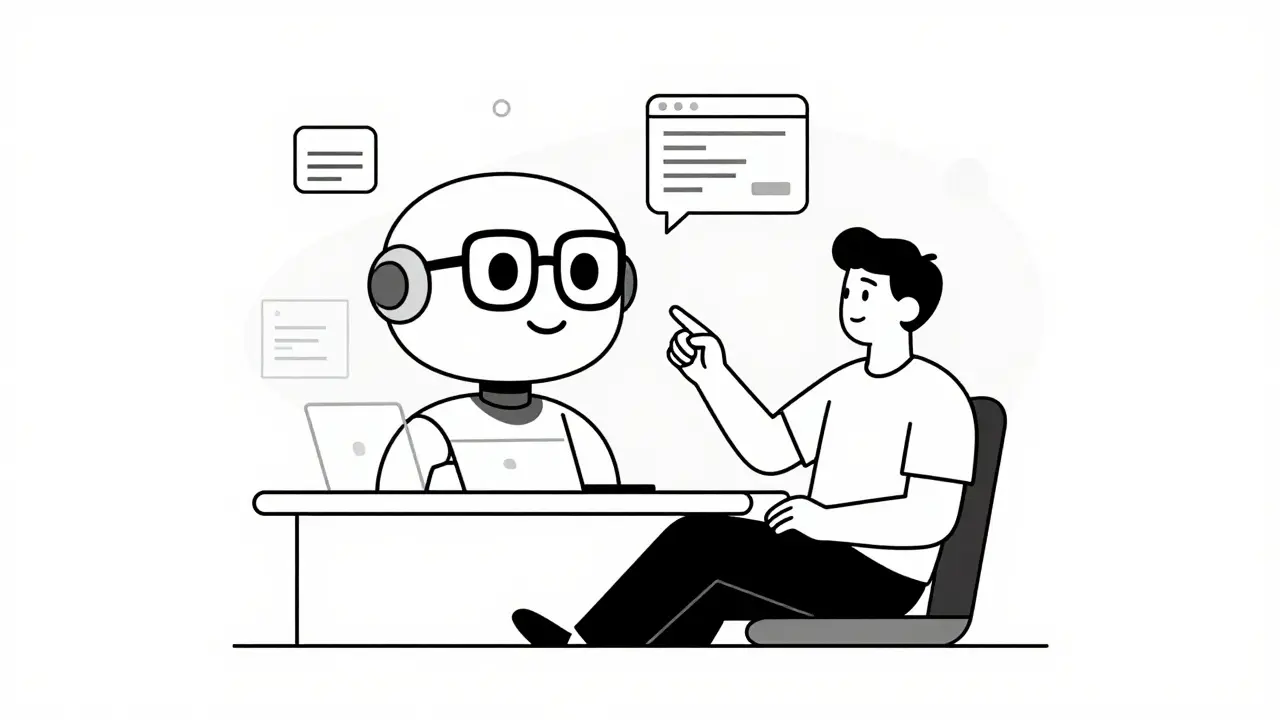
Remember when writing code meant staring at a blank editor for hours, wrestling with syntax errors and boilerplate? That era is fading. Today, developers are shifting toward vibe coding, a modern software development approach where humans define high-level vision, aesthetics, and user flows while Large Language Models (LLMs) handle the actual code generation. It’s less about typing every character and more about directing an AI partner to build what you imagine. But here’s the catch: if you just throw a prompt at an LLM and expect a production-ready app, you’ll likely get messy, inconsistent code that falls apart under pressure.
The secret to successful vibe coding isn’t just better prompts-it’s using the right design patterns specifically tailored for AI-generated codebases. These patterns provide the structural guardrails LLMs need to produce clean, maintainable, and scalable applications. Without them, your codebase becomes a house of cards. With them, you can build complex full-stack apps rapidly without sacrificing quality. Let’s break down the specific architectural and workflow patterns that top practitioners use to tame their AI coding assistants.
Vertical Slice Architecture: The Backbone of AI Development
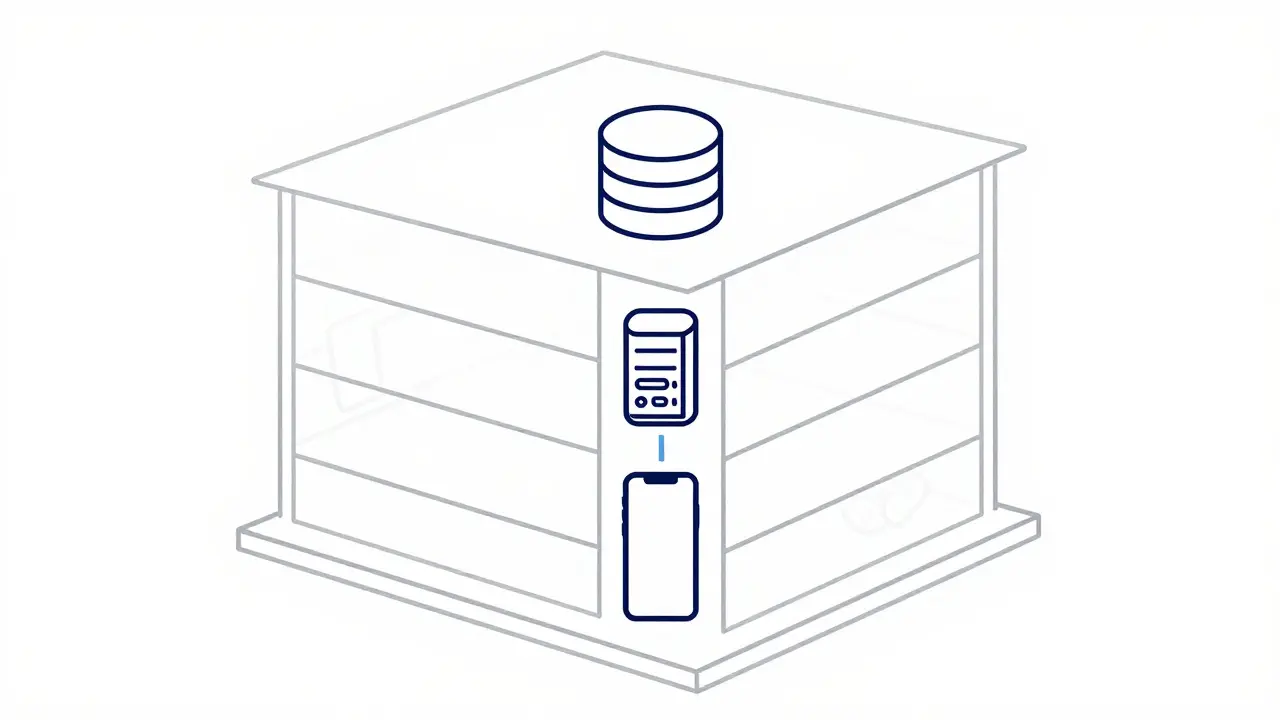
The most critical pattern in vibe coding is the Vertical Slice Architecture. Unlike traditional layered architectures that separate concerns horizontally (all database logic here, all UI there), vertical slices cut through the entire stack for a single feature. This means implementing a feature end-to-end-from database schema to backend API to frontend component-in one cohesive unit.
Why does this matter for LLMs? Because AI models struggle with long-range dependencies and maintaining context across disparate files. When you ask an LLM to "build authentication," it works best if it can see the whole picture: the user table in the database, the login endpoint on the server, and the login form in the UI. By focusing on one vertical slice at a time, you keep the context window manageable and reduce the chance of the AI hallucinating connections between unrelated parts of the system.
In practice, this looks like starting with the simplest possible version of a feature. For example, instead of designing your entire database schema upfront, you might start with just the fields needed for email verification. You build the database model, the validation logic, and the UI input field together. Once that slice is working, you move to the next-perhaps password reset-and repeat the process. This incremental approach ensures each piece is solid before adding complexity.
- Start small: Define the minimum viable scope for a single feature.
- Go deep, not wide: Implement the full stack for that feature before moving on.
- Iterate: Refine the slice based on testing and feedback before expanding.
Context Engineering: Giving Your AI a Rulebook
LLMs don’t inherently know your project’s conventions. They rely on training data that spans millions of projects, which means they’ll default to generic or outdated practices unless guided otherwise. This is where Context Engineering comes in. It’s the practice of structuring your project environment so the AI has clear, accessible instructions on how to behave.
Tools like Cursor IDE allow you to create `.cursor/rules/` directories containing multiple files with specific guidelines. These aren’t just vague notes; they’re concrete rules about coding style, naming conventions, error handling strategies, and even preferred libraries. For instance, you might have a rule file stating, "Always use Zod for runtime type validation" or "Never use global state management unless explicitly approved."
This pattern transforms the LLM from a guesser into a disciplined assistant. By documenting operational patterns, authentication approaches, and common issue resolution strategies, you ensure consistency across the codebase. Imagine hiring a junior developer-you wouldn’t let them start coding without explaining your team’s standards. Context engineering does exactly that for your AI pair programmer.
To implement effective context engineering:
- Create a dedicated folder for project-specific rules.
- Write concise, actionable guidelines (e.g., "Use async/await over promises").
- Include examples of correct vs. incorrect implementations.
- Update these rules as your project evolves.
Component Libraries and Template Patterns
One of the biggest pain points in AI-generated code is inconsistency in UI styling and structure. To combat this, vibe coders heavily rely on Component Library Patterns. Instead of asking the LLM to invent new UI components from scratch, you provide a predefined set of reusable elements-buttons, cards, modals-that follow your design system.
These libraries act as a shared vocabulary between you and the AI. When you say "add a submit button," the LLM knows exactly which component to import and how to style it because it’s been exposed to your library’s documentation. This eliminates guesswork and ensures visual harmony throughout the application.
Full-stack frameworks with "batteries-included" philosophies, such as Wasp (which combines React, Node.js, and Prisma) or Laravel for PHP environments, excel here. They handle infrastructure complexities under the hood, allowing the LLM to focus purely on business logic. By leveraging these frameworks alongside component libraries, you create a stable foundation that resists the chaos often introduced by AI-generated code.
| Framework | Best For | AI Integration Ease | Key Strength |
|---|---|---|---|
| Wasp | JavaScript/React apps | High | Batteries-included full-stack solution |
| Laravel | PHP-based web apps | Medium-High | Robust ecosystem and clear conventions |
| Next.js | Modern React applications | High | Strong community support and SSR capabilities |
Refactoring-Driven Development
Perfectionism is the enemy of progress, especially when working with AI. A highly effective pattern in vibe coding is Refactoring-Driven Development. This approach accepts that initial AI-generated code may be functional but imperfect. The goal isn’t to get it right the first time; it’s to get it working, then improve it systematically.
Practitioners often follow this mantra: "Make it correct, write good tests, and let it refactor." You ask the LLM to generate the basic functionality, verify it works, and then instruct it to optimize the code-improving performance, readability, or adherence to best practices. This separates the creative act of building from the analytical act of refining, which plays to the strengths of both human intuition and AI precision.
This method reduces frustration because you’re not fighting against the AI’s limitations during the initial generation phase. Instead, you leverage its ability to analyze existing code and suggest improvements. Over time, this iterative refinement leads to cleaner, more robust codebases than trying to achieve perfection in a single prompt.
Agent-Based Workflow: Managing Your AI Team
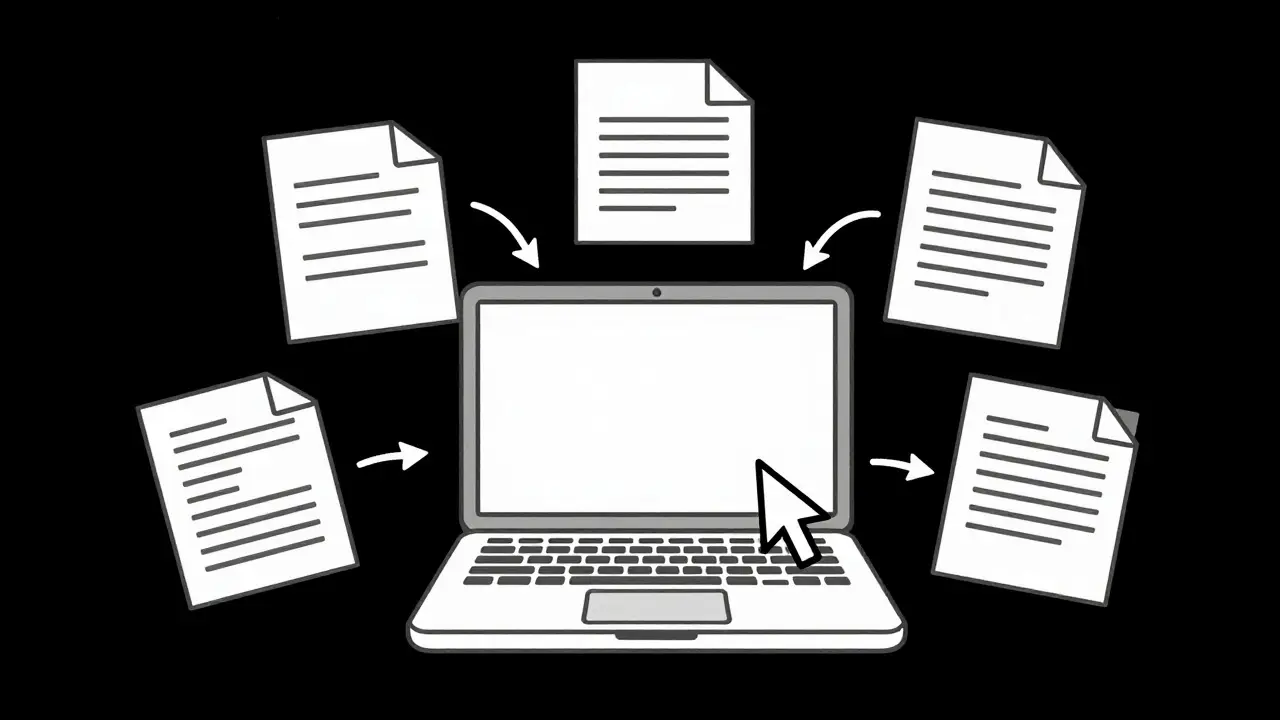
Think of your LLM not as a tool, but as a member of your development team. The Agent-Based Workflow Pattern treats interaction with the AI similarly to managing a scrum team or guiding research students. You present problems, review results, provide feedback, and iterate toward solutions.
This cyclical approach acknowledges that single-pass problem resolution is rare. Instead of expecting the AI to deliver final code immediately, you engage in a dialogue. If the output doesn’t meet expectations, you critique it, explain why, and ask for revisions. This mirrors real-world software development practices where collaboration and feedback drive quality.
For example, if the LLM generates a database query that’s inefficient, you don’t just accept it. You point out the issue, perhaps citing a specific performance metric or best practice, and ask it to rewrite the query. This back-and-forth builds a deeper understanding of your requirements and improves future outputs.
Product Requirements Document (PRD) Planning
Before writing any code, successful vibe coders invest time in planning. The PRD and Implementation Planning Pattern involves having the LLM help generate detailed product requirements followed by step-by-step actionable plans. This structured workflow ensures everyone-including the AI-is aligned on goals and scope.
Instead of diving straight into coding, you collaborate with the LLM to outline features, user stories, and technical constraints. Then, you break down the implementation into manageable chunks using modified vertical slice approaches. This plan serves as a roadmap, reducing ambiguity and preventing scope creep.
Continuous review cycles are essential here. As you progress, you revisit the plan with the LLM, adjusting priorities and addressing unforeseen challenges. This dynamic planning keeps the project on track and ensures that the AI remains focused on delivering value rather than wandering off into irrelevant tangents.
What is vibe coding?
Vibe coding is a development methodology where developers focus on high-level vision, aesthetics, and user flows while leveraging Large Language Models (LLMs) to generate the actual code. It shifts the developer's role from writer to director, emphasizing guidance and oversight over manual typing.
Why do LLMs need specific design patterns?
LLMs lack inherent knowledge of your project's specific conventions and architecture. Without explicit design patterns and contextual guidance, they tend to produce generic, inconsistent, or poorly structured code. Design patterns provide the necessary framework to ensure quality, maintainability, and alignment with project goals.
How does Vertical Slice Architecture benefit AI coding?
Vertical Slice Architecture allows LLMs to work within well-defined, manageable scopes by implementing features end-to-end. This reduces the likelihood of hallucination or architectural mistakes since the AI can maintain context across the entire stack for a single feature, rather than juggling multiple disconnected layers.
What is Context Engineering in vibe coding?
Context Engineering involves structuring your project environment with explicit rules, conventions, and guidelines that guide the LLM's behavior. This includes creating rule files in tools like Cursor IDE that specify coding styles, preferred libraries, and error handling strategies, ensuring consistent and predictable AI output.
Is Refactoring-Driven Development effective with AI?
Yes, it is highly effective. This pattern accepts that initial AI-generated code may not be perfect. By focusing on getting functionality working first and then using the AI to refactor and optimize, developers leverage the AI's strength in analyzing and improving existing code, leading to cleaner and more robust outcomes.
 Artificial Intelligence