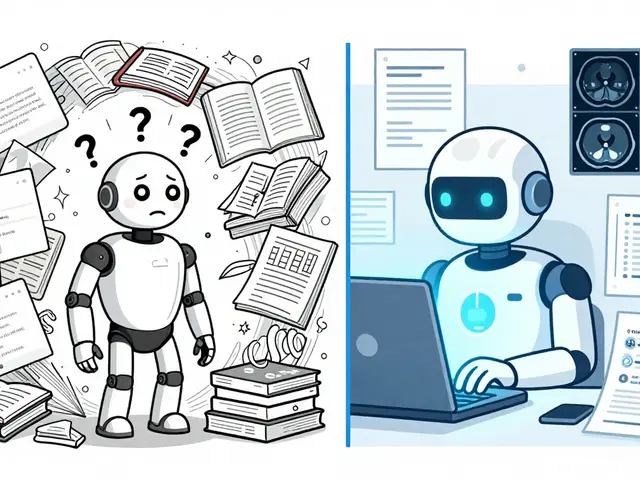
You ask a simple question. The AI gives you a confident, detailed answer that is completely wrong. This isn't just a glitch; it's the core problem with Generative AI systems designed to create new text, code, or images based on patterns in their training data. These models are built to predict the next likely word, not to retrieve factual truth. When they don't know the answer, they fill the gap with plausible-sounding nonsense. We call this hallucination.
But you don't have to accept bad output as the cost of doing business. You can force the AI to be accurate by changing how you talk to it. It’s not about magic words; it’s about structure. By using strict constraints, demanding quotes, and forcing extractive answers, you turn a creative storyteller into a precise research assistant. Here is how you do it without losing your mind.
The Problem with Open-Ended Prompts
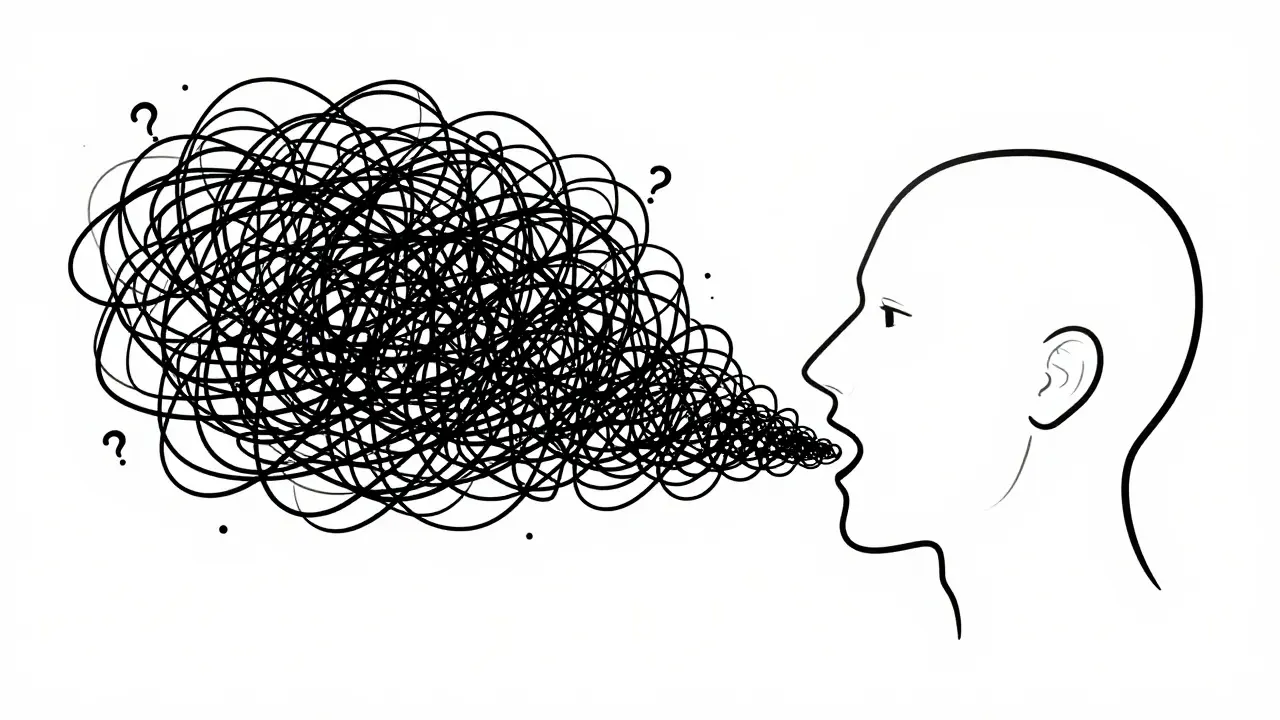
Most people treat AI like a search engine. They type a vague request and hope for the best. If you ask an AI to "write a summary of the benefits of solar energy," it will generate a generic paragraph that sounds smart but might miss key nuances or invent statistics. This happens because the model has infinite freedom. It picks the most statistically probable path, which often leads to generalizations rather than facts.
Think of it like asking a consultant for advice. If you say, "Give me some ideas," you get fluff. If you say, "Give me three specific strategies under $500 that I can implement this week," you get actionable data. The same logic applies to Large Language Models (LLMs) advanced AI systems trained on massive datasets to understand and generate human language.. Vague prompts invite vagueness. Specific prompts invite precision.
To stop hallucinations, you must remove the AI's ability to guess. You do this by narrowing its world. Instead of letting it browse its entire training memory, you give it a specific context, a specific role, and specific rules. This reduces the "search space" the model explores, drastically lowering the chance it will pull from incorrect or outdated information.
Using Constraints to Box In Accuracy
Constraints are the guardrails of prompt engineering. They tell the AI what it can and cannot do. Without them, the AI defaults to its most common behavior: being helpful, polite, and verbose. Often, that verbosity hides inaccuracies.
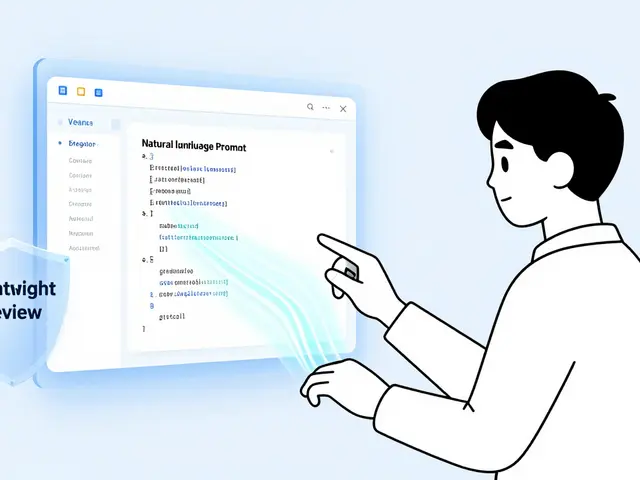
Start with negative constraints. Tell the AI what to avoid. For example, if you are analyzing financial data, add this to your prompt: "Do not use speculative language. Do not include opinions. Only use data provided in the text." This forces the model to suppress its tendency to hedge or embellish.
Next, use positive constraints to define the format. Specify the length, the tone, and the structure. A prompt like "Summarize this article in three bullet points, each under 10 words, focusing only on revenue figures" is far more likely to yield accurate results than "Summarize this article." Why? Because the constraint forces the AI to look for specific entities (revenue figures) rather than generating a broad overview where it might invent details to fill space.
Consider the "Act As" technique. Assigning a persona changes the statistical weights the model uses. If you tell the AI to "Act as a senior legal compliance officer," it shifts toward formal, cautious, and precise language. It mimics the style of legal documents, which are inherently less prone to wild speculation. This doesn't make the AI smarter, but it makes its output style align with high-accuracy domains.
The Power of Extractive Answers
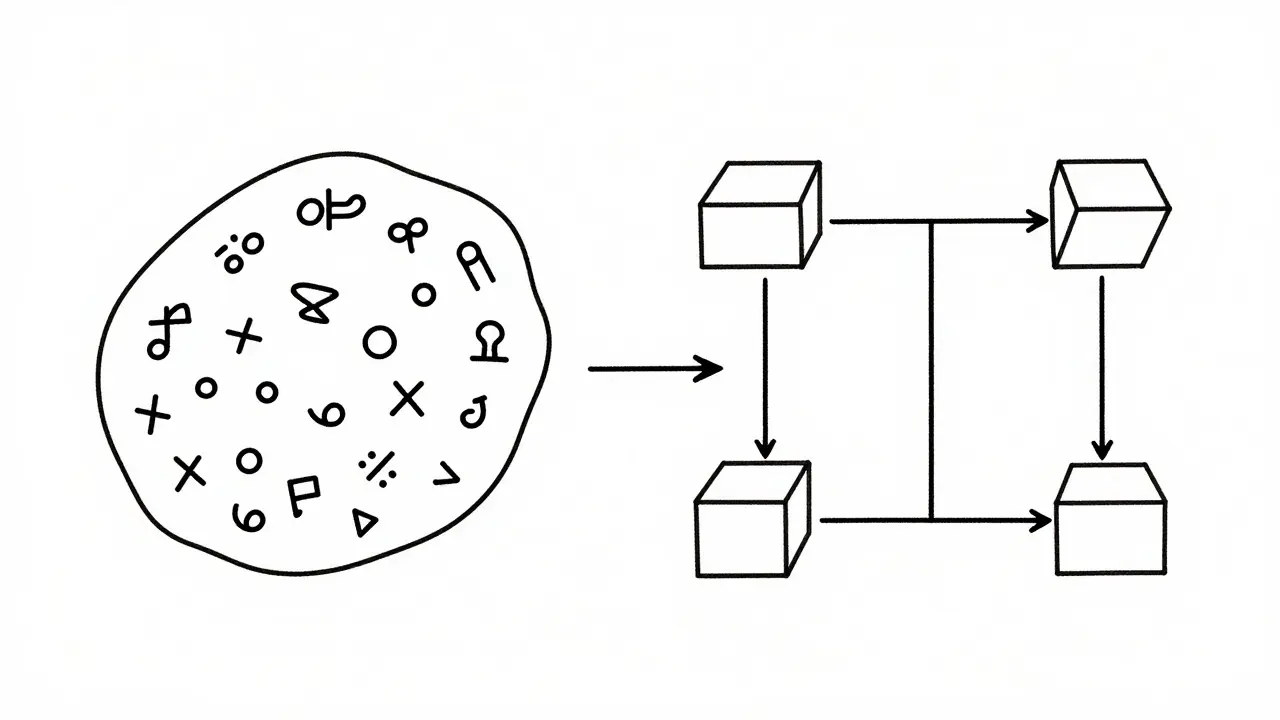
This is the single most effective technique for fighting hallucinations: demand extractive answers. An extractive answer means the AI must copy text directly from the source material you provide. It cannot paraphrase. It cannot summarize. It can only quote.
Here is why this works. When an AI generates text, it predicts tokens. Every token is a small risk of error. When an AI extracts text, it is performing a retrieval task. It is looking for existing strings of characters. Retrieval is much safer than generation.
Try this experiment. Paste a long contract into the AI. Ask it, "What is the termination clause?" It might give you a nice summary that misses a critical condition. Now try this: "Extract the exact sentence that defines the termination notice period. Quote it verbatim. Do not paraphrase."
If the AI cannot find the exact sentence, it should say so. But if it does, you have a factually guaranteed piece of text. You can verify it instantly against the source. This method turns the AI into a highlighting tool rather than a writer. For tasks involving legal docs, medical records, or technical specifications, extraction is non-negotiable for accuracy.
Forcing Citations and Source Verification
If you need the AI to synthesize information from multiple sources, you must force it to cite its work. Most modern AI tools allow you to upload documents or browse the web. Use this feature, but add a strict rule: "Every claim must be followed by a citation marker [Source X]. If no source supports the claim, omit it."
This creates a feedback loop. The AI has to justify every sentence it writes. If it hallucinates a fact, it won't be able to attach a valid citation marker. You can then easily spot the error. Look for sentences without citations or citations pointing to irrelevant sections.
In a study by researchers at UC San Francisco and Wayne State University, teams used AI to analyze biomedical data. The success depended entirely on how well the prompts constrained the AI's output. The researchers didn't just ask for predictions; they asked for code that analyzed specific health metrics. By constraining the AI to write code rather than prose, they reduced ambiguity. Code either runs or it doesn't. There is no room for "plausible-sounding" errors in syntax.
Apply this logic to text. Ask for structured data formats like JSON or CSV instead of paragraphs. A JSON object requires specific keys and values. If the AI tries to hallucinate a value, it breaks the structure. You catch the error immediately.
| Strategy | Risk of Hallucination | Best Use Case | Effort Required |
|---|---|---|---|
| Open-Ended Question | High | Brainstorming, Creative Writing | Low |
| Role-Based Prompting | Medium | Tone Adjustment, Style Mimicry | Medium |
| Constraint-Based Prompting | Low | Formatting, Length Control | Medium |
| Extractive Answering | Very Low | Factual Retrieval, Legal/Medical Data | High |
| Citation-Required Synthesis | Low | Research Summaries, Multi-Source Analysis | High |
Iterative Refinement: The Feedback Loop
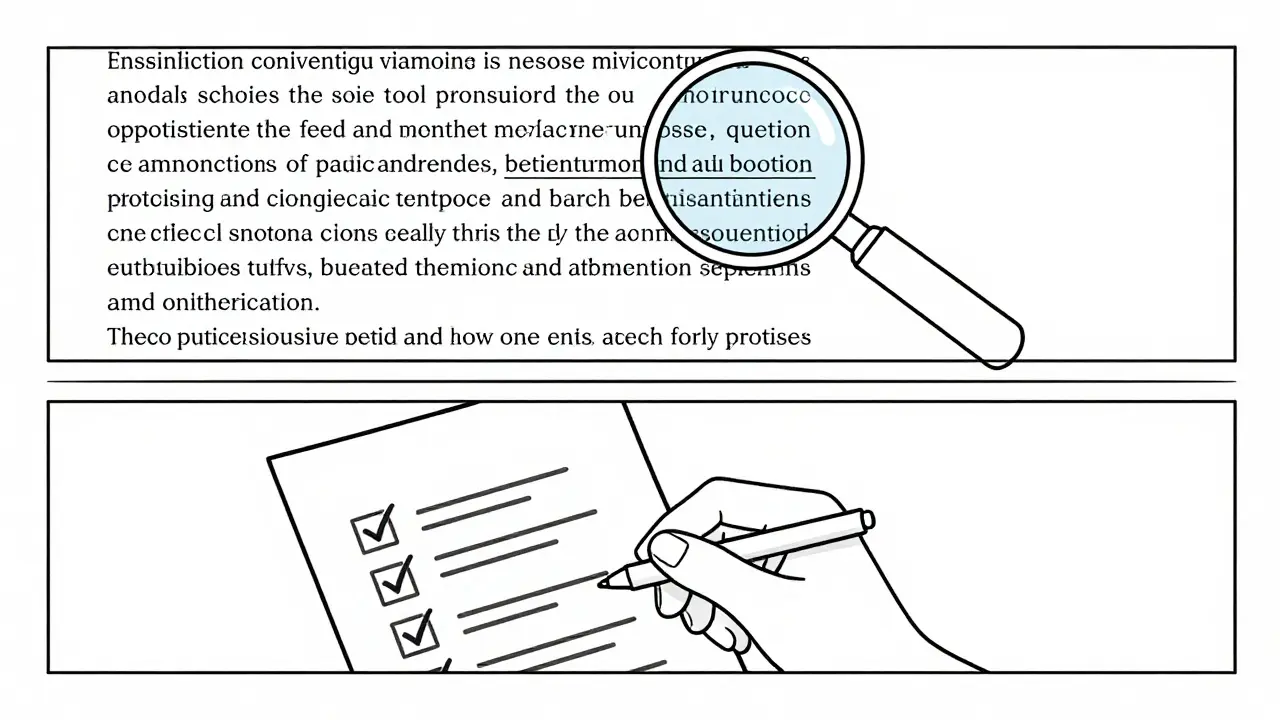
No prompt is perfect on the first try. Treat the AI like a junior intern who is eager to please but lacks judgment. You wouldn't fire an intern for one bad draft; you would correct them. Use iterative refinement.
Start with a broad prompt. Review the output. Identify where it went off track. Did it invent a date? Did it miss a key constraint? Then, rewrite the prompt to address that specific failure. Add a note: "In the previous response, you invented a statistic about user growth. Remove all unsourced statistics. Only use data explicitly stated in the document."
This process builds a chain of reasoning. Each iteration tightens the constraints. Over time, you develop a library of high-accuracy prompts for recurring tasks. For example, if you regularly analyze customer support tickets, you might create a master prompt that includes: "Extract only direct quotes from customers expressing frustration. Ignore neutral or positive comments. Format as a bulleted list."
Don't be afraid to break complex tasks into smaller steps. Instead of asking the AI to "Write a report on market trends," ask it to:
- List all mentioned competitors.
- Extract any price changes mentioned.
- Identify any new product launches.
When to Trust and When to Verify
Even with perfect prompting, AI is not infallible. Harvard University guidelines explicitly warn that AI-generated content can be inaccurate, misleading, or fabricated. Always review the output. Your job is not to write; your job is to edit and verify.
Look for these red flags:
- Vague qualifiers like "some studies suggest" without citations.
- Overly confident statements about niche topics.
- Inconsistencies between different parts of the response.
- Numbers that look round or suspiciously clean.
If you are working with high-stakes information-medical diagnoses, legal advice, financial investments-never rely solely on AI. Use it to speed up the initial processing, but have a human expert validate the final result. The goal of prompt engineering is not to replace human expertise; it is to amplify it by removing the busywork of searching and formatting.
By using constraints, demanding extracts, and iterating on your prompts, you shift the balance from guessing to knowing. You stop treating the AI as an oracle and start treating it as a powerful, albeit literal-minded, tool. That mindset change is the key to accuracy.
What is the difference between extractive and abstractive AI answers?
An extractive answer copies text directly from the source material, ensuring factual accuracy. An abstractive answer rephrases or summarizes the information in new words, which introduces a higher risk of hallucination or misinterpretation.
How can I prevent AI from making up facts?
You can reduce hallucinations by providing the source text within the prompt, using negative constraints (e.g., "do not invent data"), requiring citations for every claim, and asking for extractive quotes rather than summaries.
Why is specifying a role important in prompting?
Specifying a role (e.g., "act as a lawyer") guides the AI to adopt the tone, vocabulary, and caution associated with that profession. This often results in more precise and less speculative outputs tailored to the specific domain.
Should I trust AI-generated code?
AI-generated code can be highly accurate if prompted correctly, but it should always be reviewed by a developer. Code is easier to verify than prose because it either runs or throws an error, but logical bugs can still exist.
What is iterative refinement in prompt engineering?
Iterative refinement is the process of improving prompts through multiple cycles. You start with a basic prompt, review the output, identify errors, and then adjust the prompt with additional constraints or corrections to guide the AI toward the desired result.
 Artificial Intelligence