
Archive: 2026/03 - Page 3
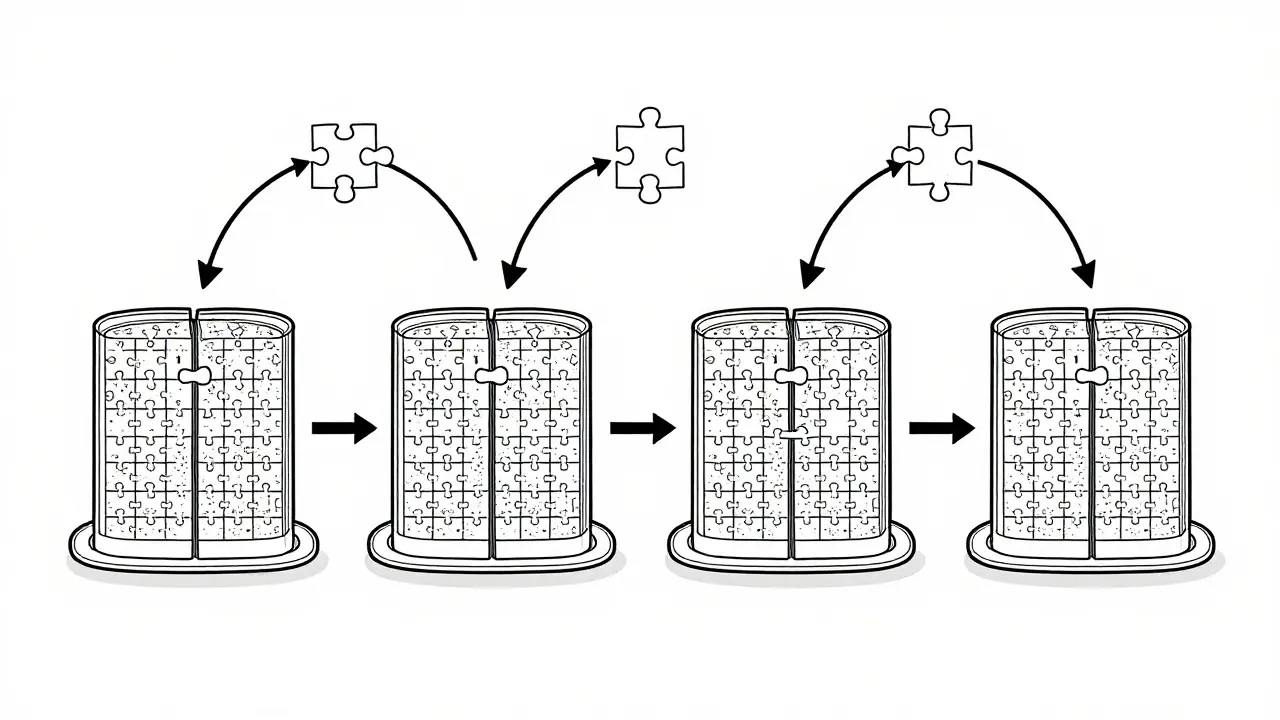
Tensor parallelism lets you run massive LLMs across multiple GPUs by splitting model layers. Learn how it works, why NVLink matters, which frameworks support it, and how to avoid common pitfalls in deployment.

Combining pruning and quantization cuts LLM inference time by up to 6x while preserving accuracy. Learn how HWPQ's unified approach with FP8 and 2:4 sparsity delivers real-world speedups without hardware changes.

Sandboxing external actions in LLM agents prevents dangerous tool access by isolating processes. Firecracker, gVisor, and Nix offer different trade-offs between security and performance. Learn which method fits your use case.
Categories
 Artificial Intelligence
Archives
Recent-posts

Dependency Injection in Vibe-Coded Backends: Testability and Modularity
May, 26 2026
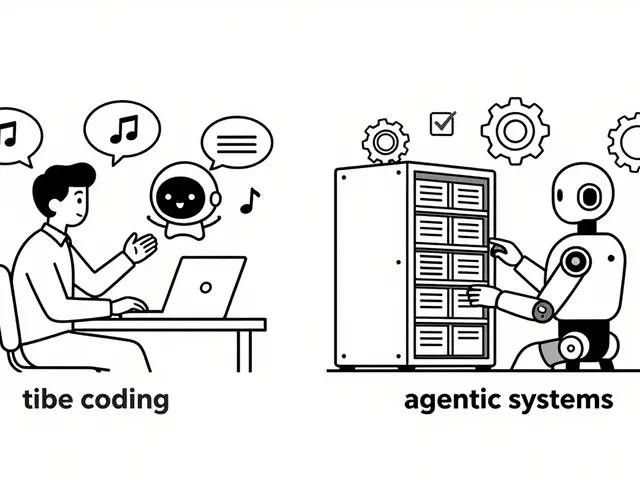
Agentic Systems vs Vibe Coding: Choosing the Right Autonomy Level
Jun, 17 2026
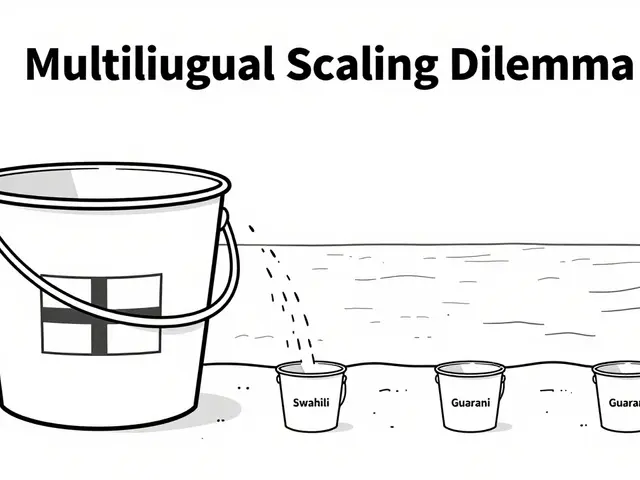
Scaling Multilingual LLMs: The Data Balance and Coverage Guide
Jun, 21 2026

Legal Operations and Generative AI: Streamlining Contract Review, Redlining, and Playbooks
Jul, 30 2026

Cross-Lingual Transfer in LLMs: How AI Learns New Languages Without Retraining
Aug, 3 2026