
Tag: QLoRA

Learn how to reduce memory footprint for hosting multiple LLMs. Discover techniques like QLoRA, quantization, and pruning to fit 3-5 models on a single GPU.
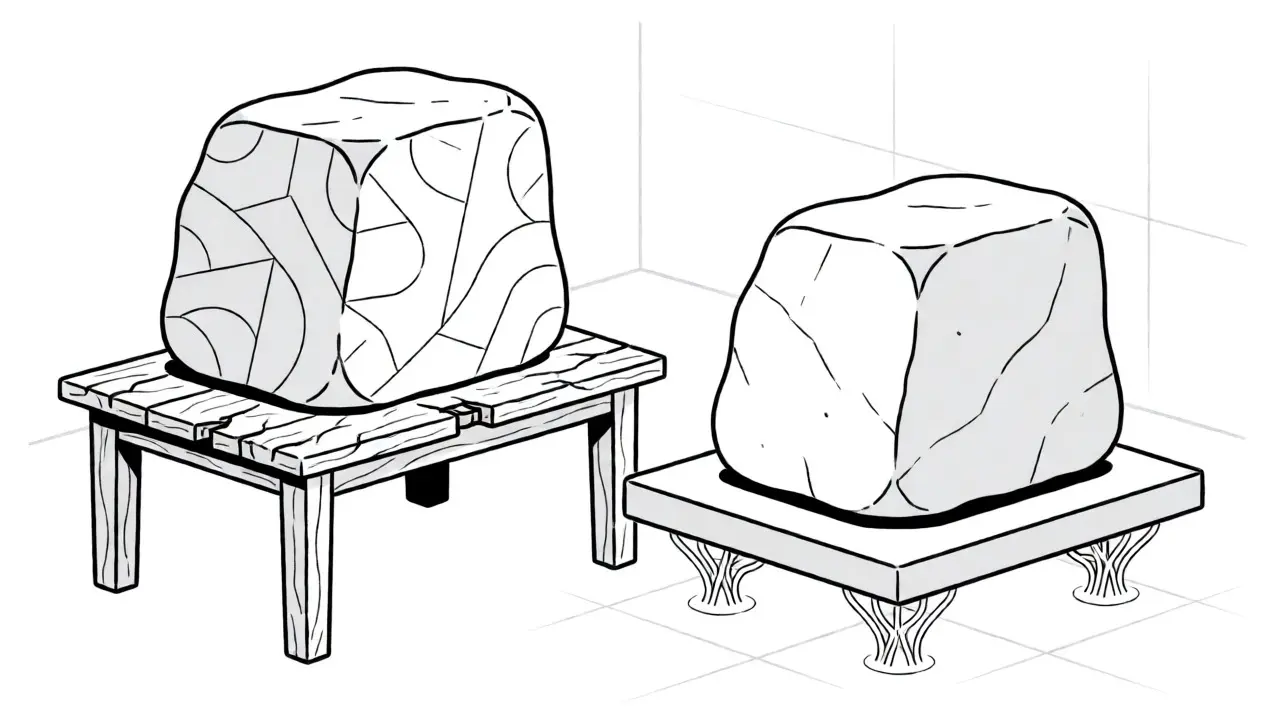
Discover how LoRA and Adapter Layers revolutionize LLM customization. Learn when to use each for efficient fine-tuning, lower costs, and faster inference.

Learn how to fine-tune large language models without losing their original knowledge. Discover the best hyperparameters, methods like LoRA and FAPM, and real-world trade-offs that keep models accurate and reliable.

Few-shot fine-tuning lets you adapt large language models with as few as 50 examples, making AI usable in data-scarce fields like healthcare and law. Learn how LoRA and QLoRA make this possible-even on a single GPU.
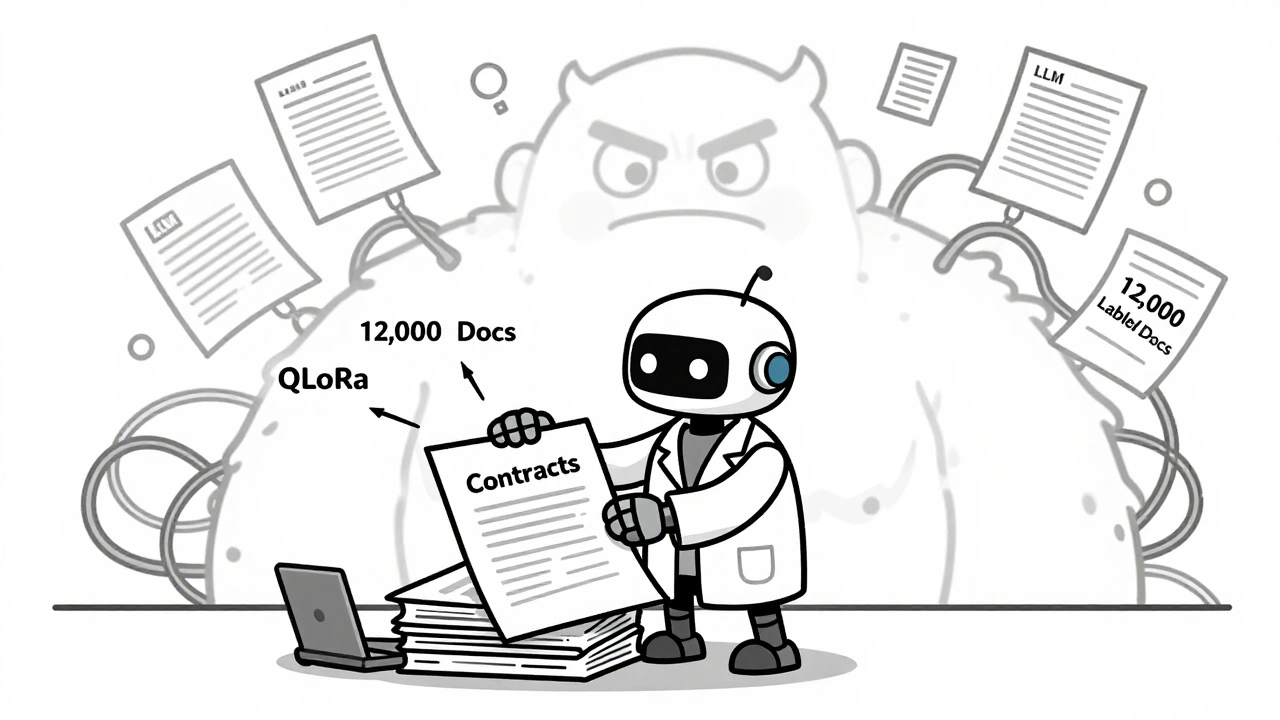
Fine-tuned LLMs outperform general models in niche tasks like legal analysis, medical coding, and compliance. Learn how specialization beats scale, when to use QLoRA, and why hybrid RAG systems are the future.
Categories
 Artificial Intelligence
Archives
Recent-posts

Vibe Coding Talent Markets: Which Skills Actually Get You Hired in 2026
Apr, 23 2026

Chunking Strategies That Improve Retrieval Quality for Large Language Model RAG
Dec, 14 2025

Hardware-Friendly LLM Compression: How to Fit Large Models on Consumer GPUs and CPUs
Jan, 22 2026

Token Probability Calibration in Large Language Models: How to Fix Overconfidence in AI Responses
Jan, 16 2026

Cut RAG Costs: Optimizing Embeddings, Storage, and Context Budgets
Aug, 7 2026