
Category: Technology & Development
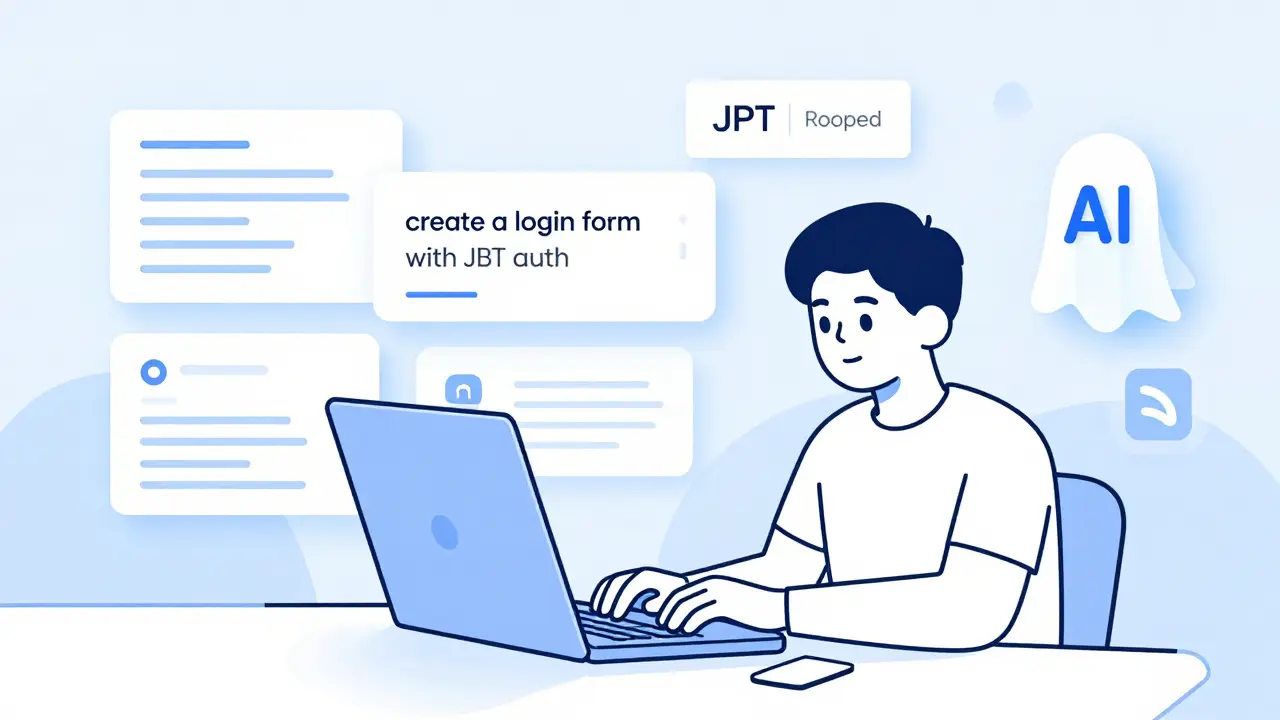
Discover which project types benefit most from AI-generated code. From CRUD apps to API integrations, learn where vibe coding saves time - and where it falls short.
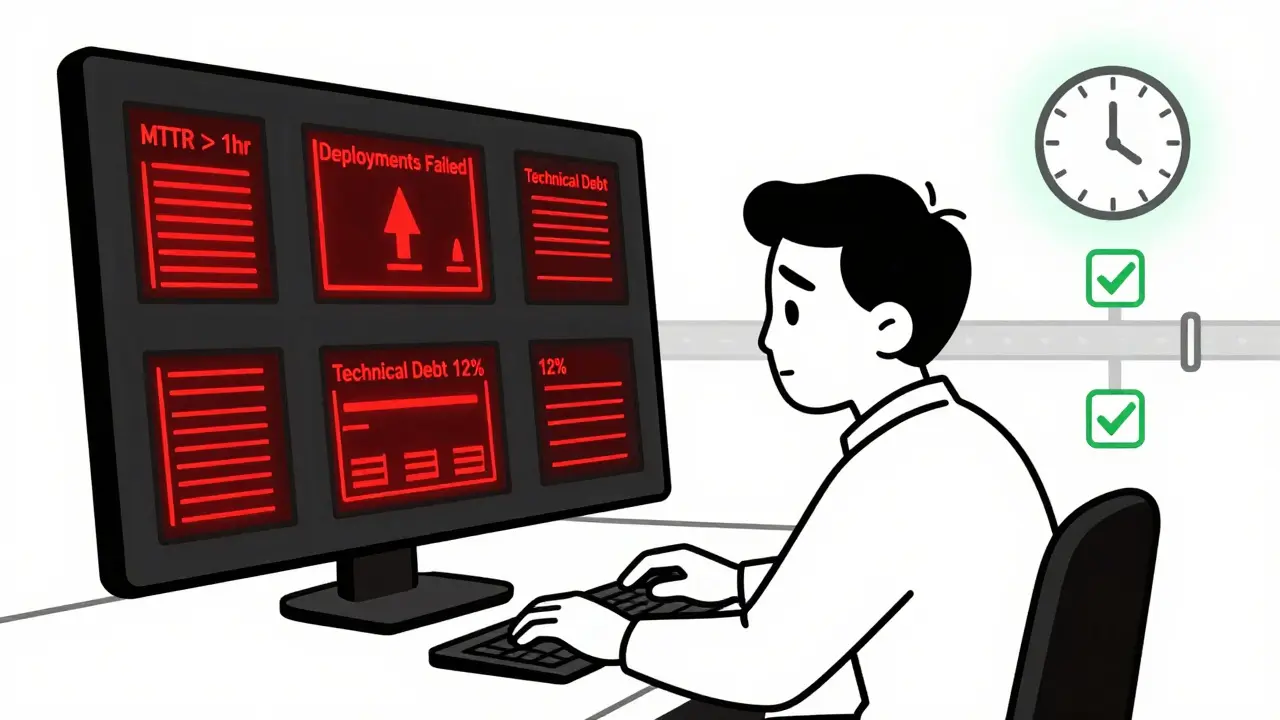
Maintainability SLOs turn vague engineering pain into measurable targets. Learn the key indicators-MTTR, deployment frequency, change failure rate-and how to set alerts that actually help teams ship better software faster.
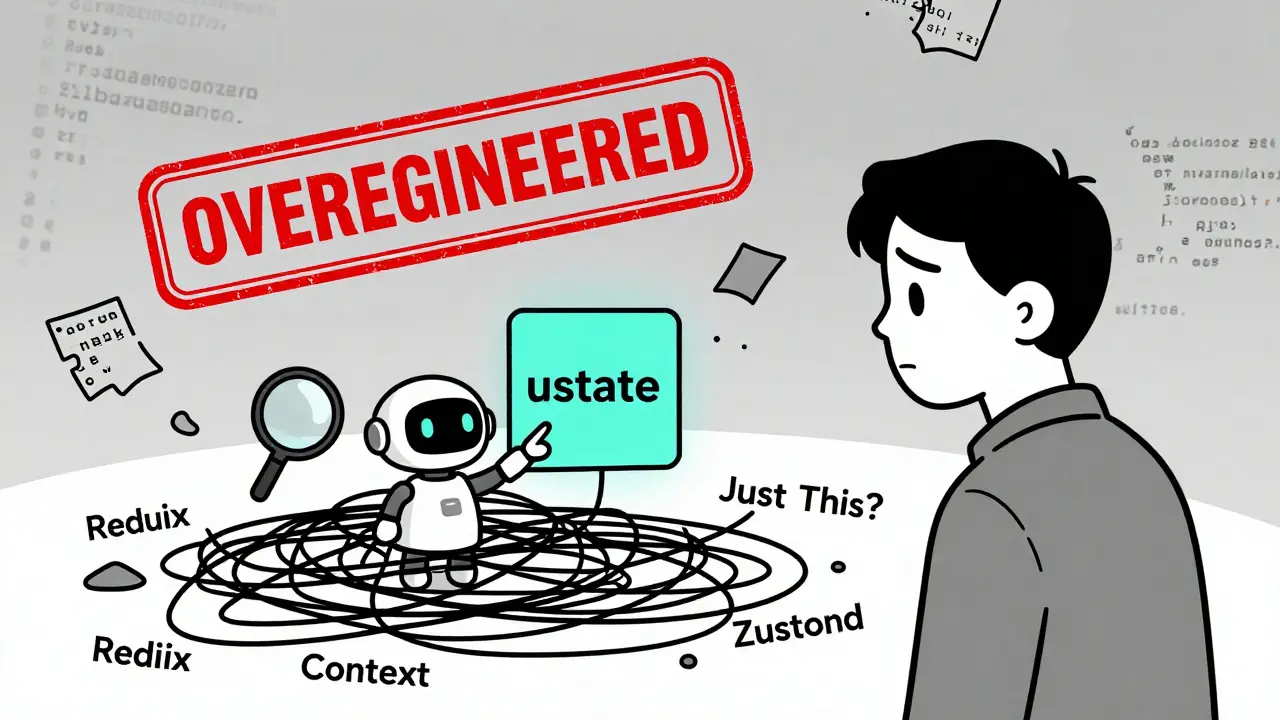
AI-generated frontends often misapply state management tools like Redux and Context API, leading to bloated, slow code. Learn the top pitfalls and how to fix them with Zustand, React Query, and AI-friendly architecture patterns.

Vibe coding lets developers build full-stack apps using AI prompts instead of writing every line of code. Learn what to expect, how it works, where it shines, and where it fails - with real data from 2026.
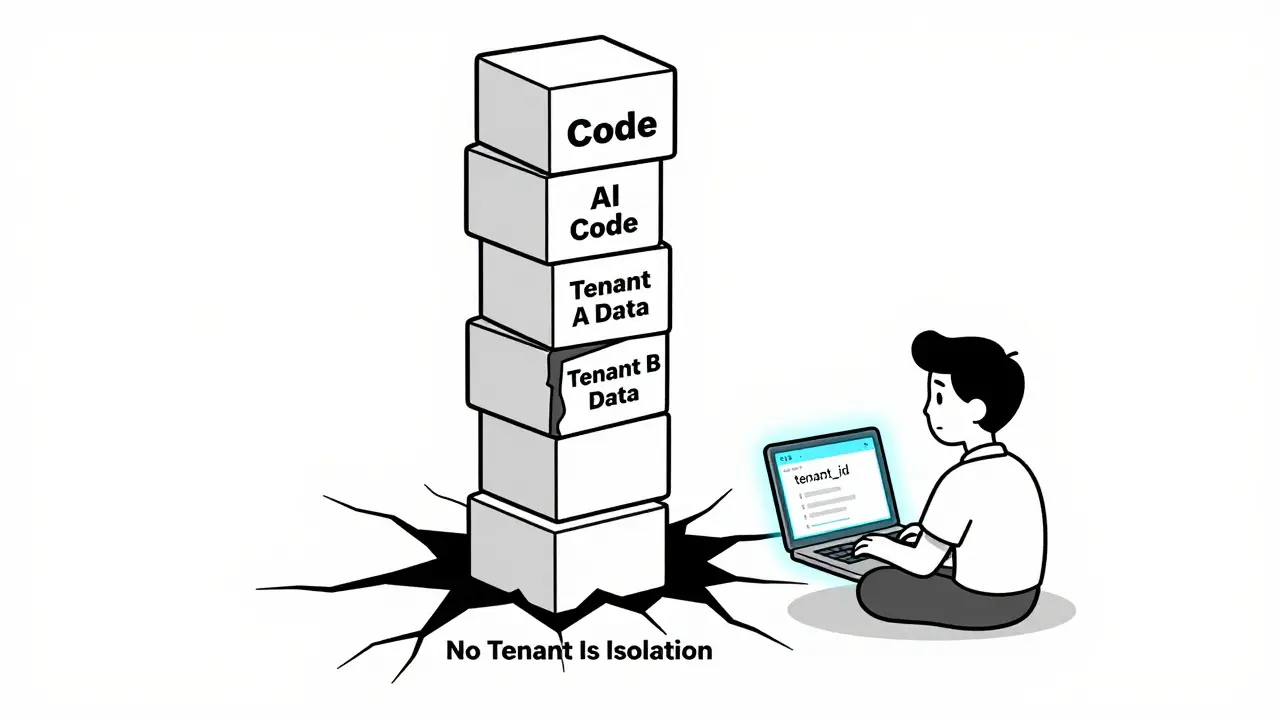
Multi-tenancy in vibe-coded SaaS requires careful isolation, authentication, and cost controls from day one. AI can speed up development-but only if you know how to prompt it right. Learn how to avoid costly mistakes and build secure, scalable SaaS apps.
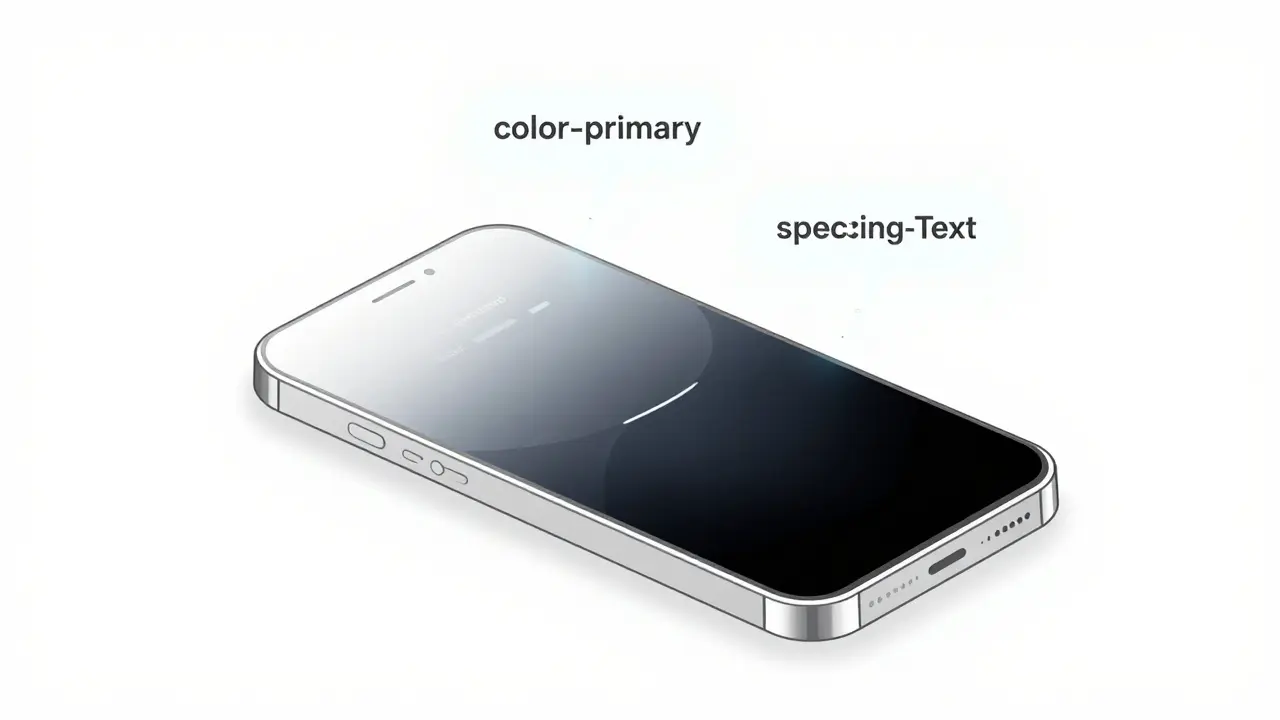
Design tokens are the backbone of modern UI systems, enabling consistent theming across platforms. With AI automation, teams now generate and manage tokens faster than ever-cutting handoff time by 70% and ensuring accessibility compliance.
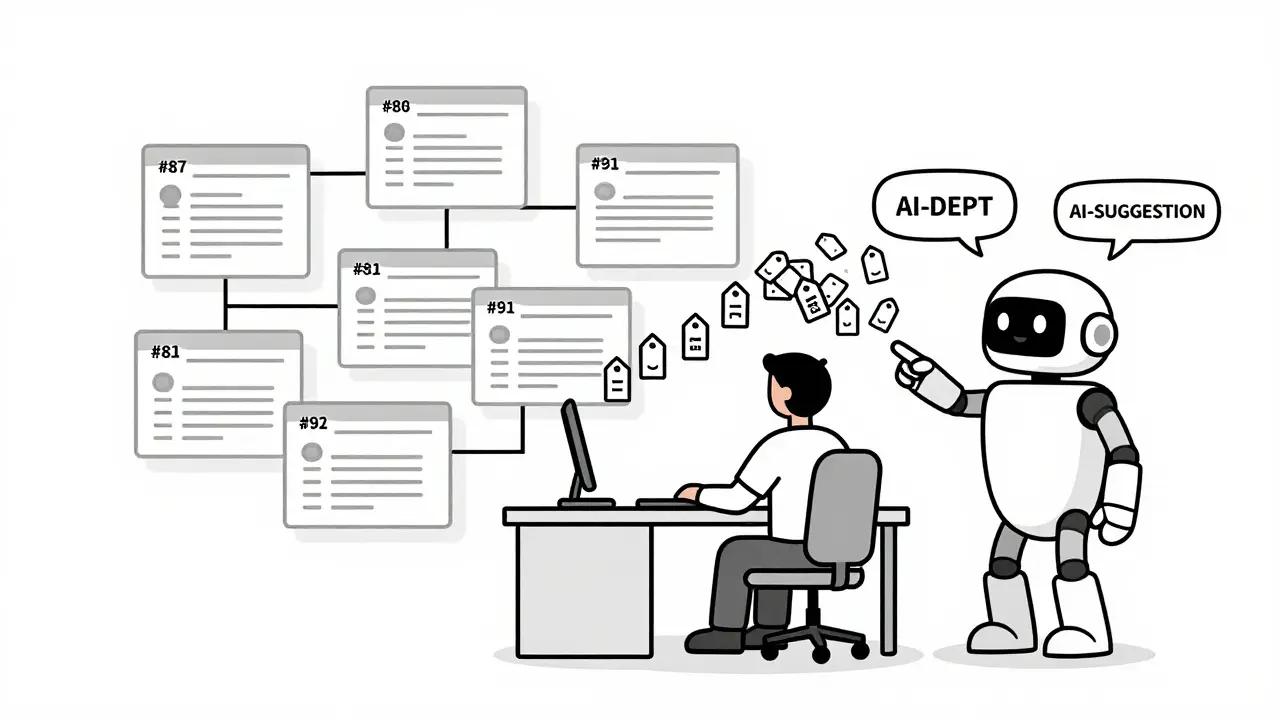
Learn how to manage defects, technical debt, and enhancements in vibe coding using AI-assisted development. Without proper backlog hygiene, AI creates more work than it solves.
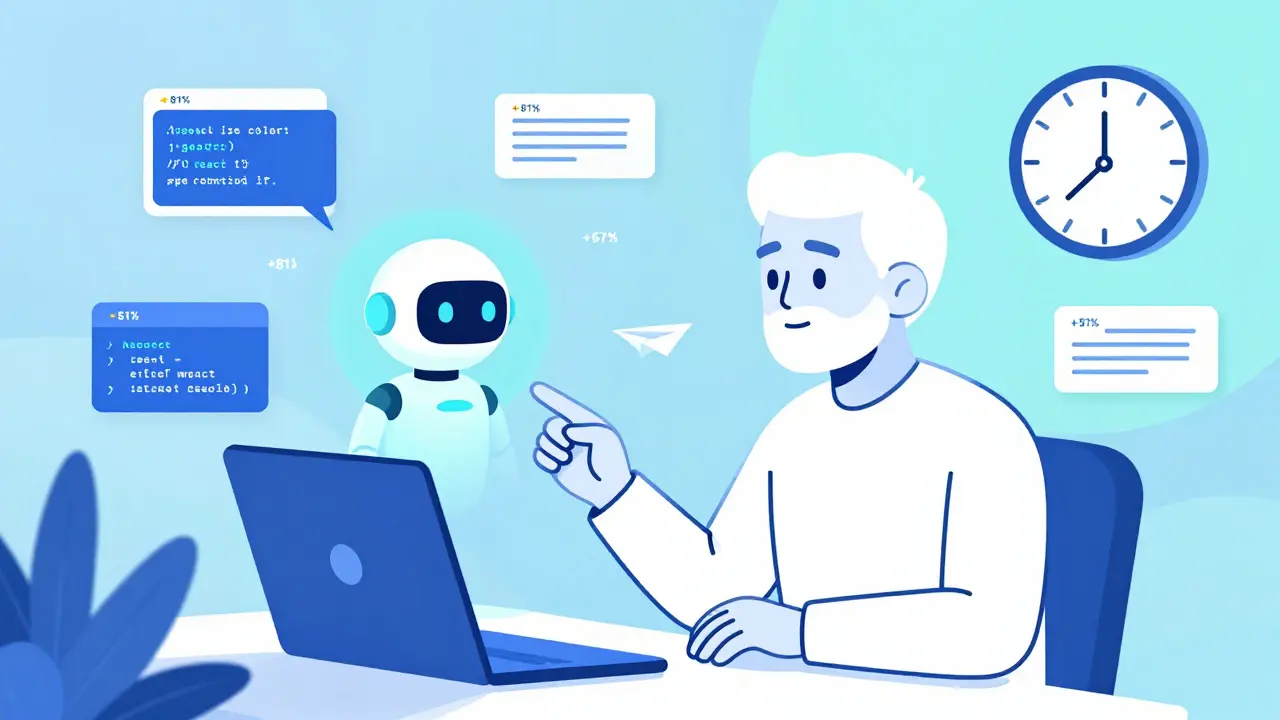
Vibe coding boosts weekly developer output by up to 126% by automating boilerplate, UI, and API tasks. Learn how AI-assisted tools like GitHub Copilot drive real productivity gains-and how to avoid the hidden traps of technical debt and security risks.
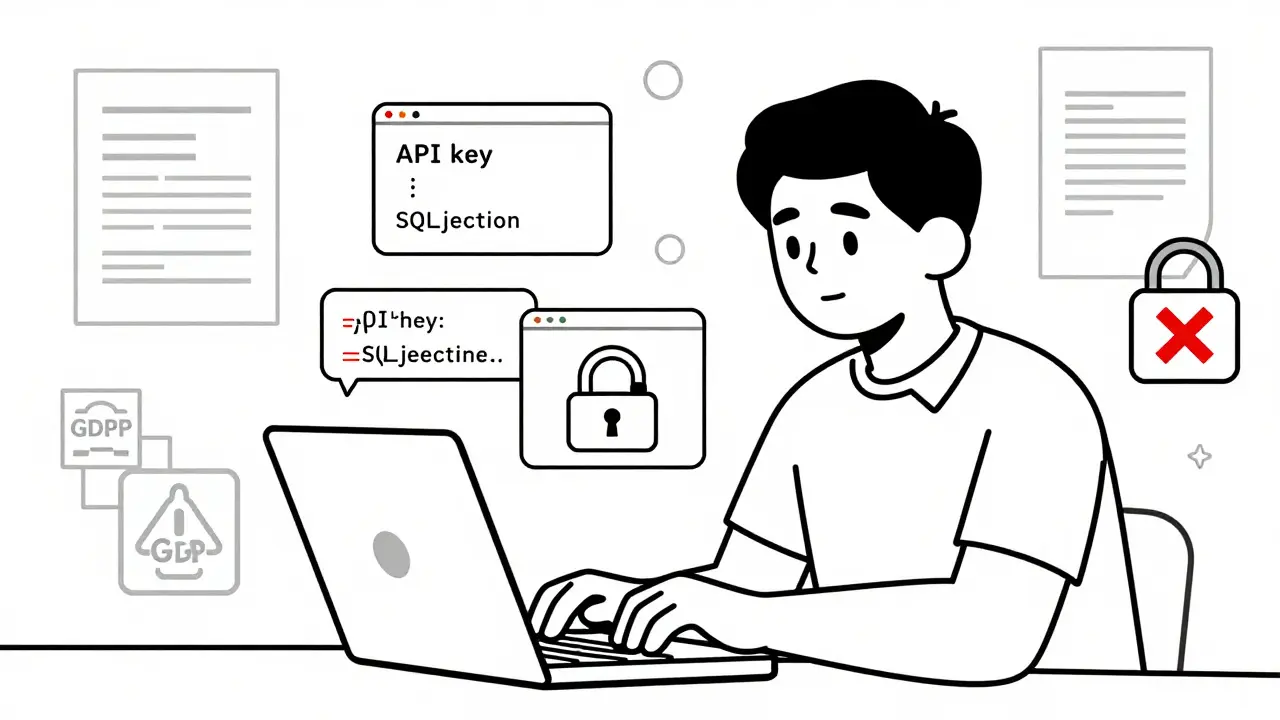
Procurement checklists for vibe coding tools must include security controls and legal terms to avoid data breaches, copyright lawsuits, and compliance fines. Learn what to demand from AI coding tools like GitHub Copilot and Cursor.
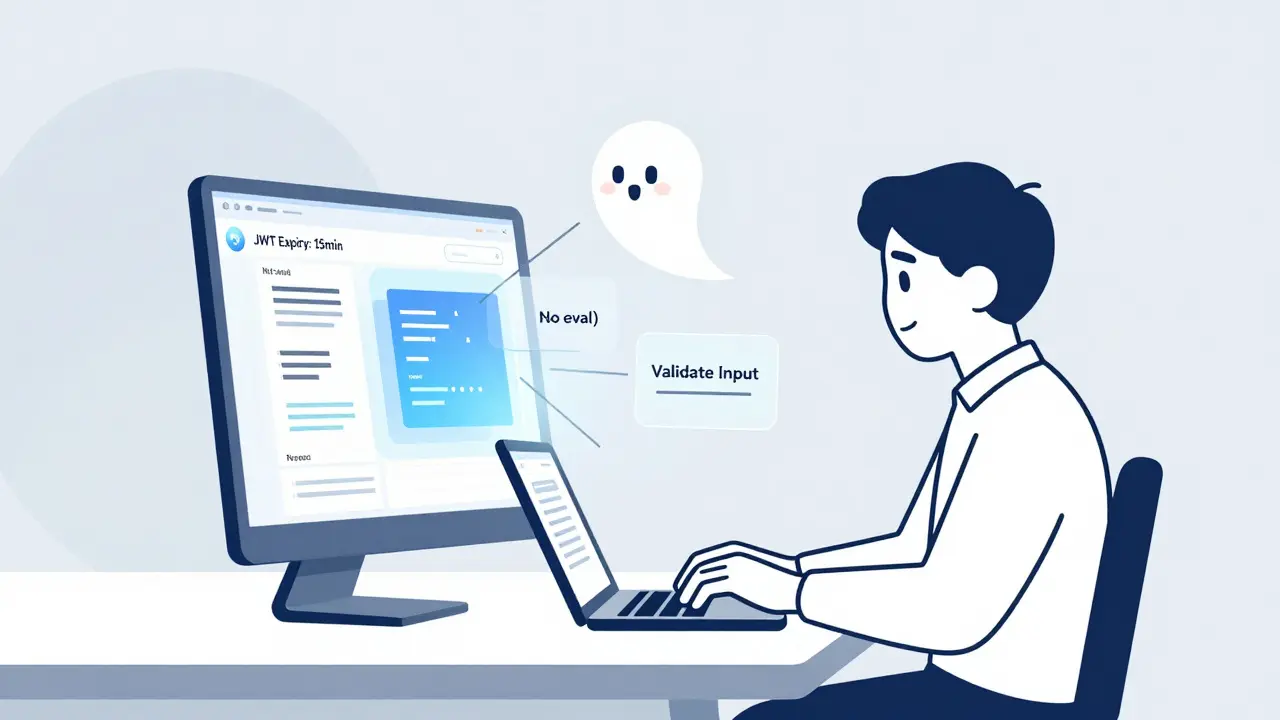
Pattern libraries for AI are reusable templates that guide AI coding assistants to generate secure, consistent code. Learn how they reduce vulnerabilities by up to 63% and transform vibe coding from guesswork into reliable collaboration.
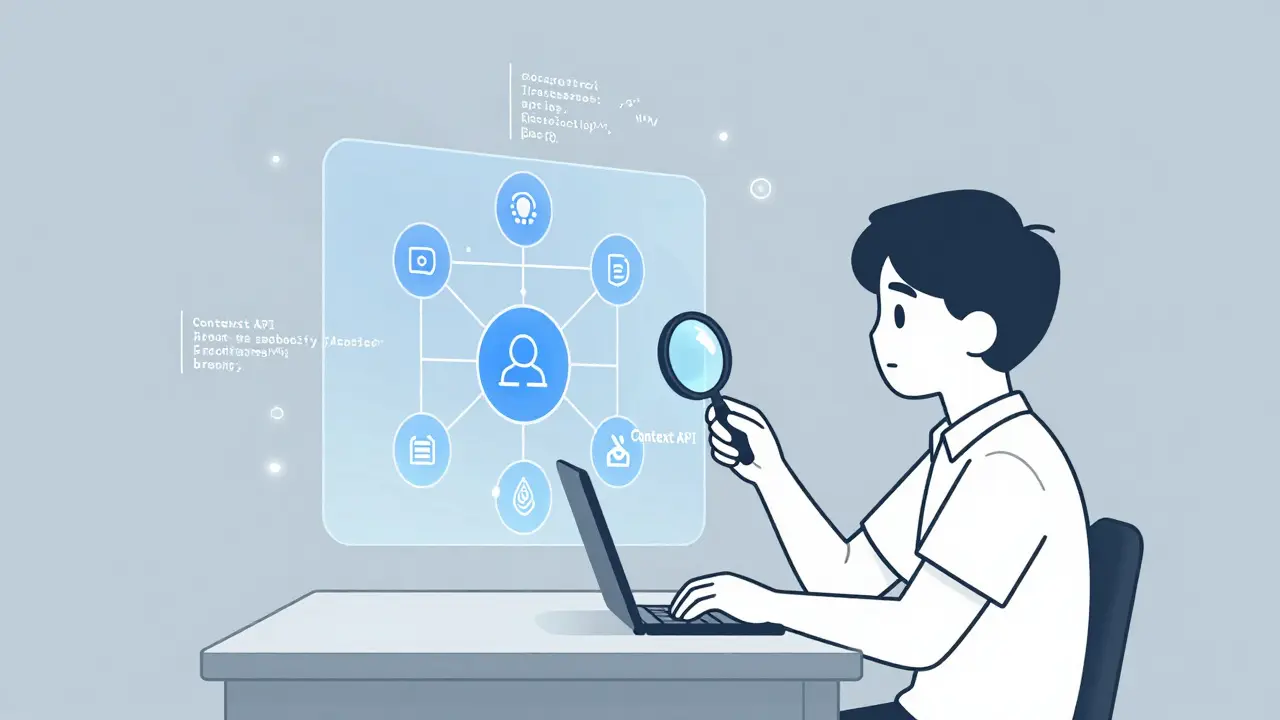
Vibe coding teaches software architecture by having students inspect AI-generated code before writing their own. This method helps learners understand design patterns faster and builds deeper system-level thinking than traditional syntax-first approaches.
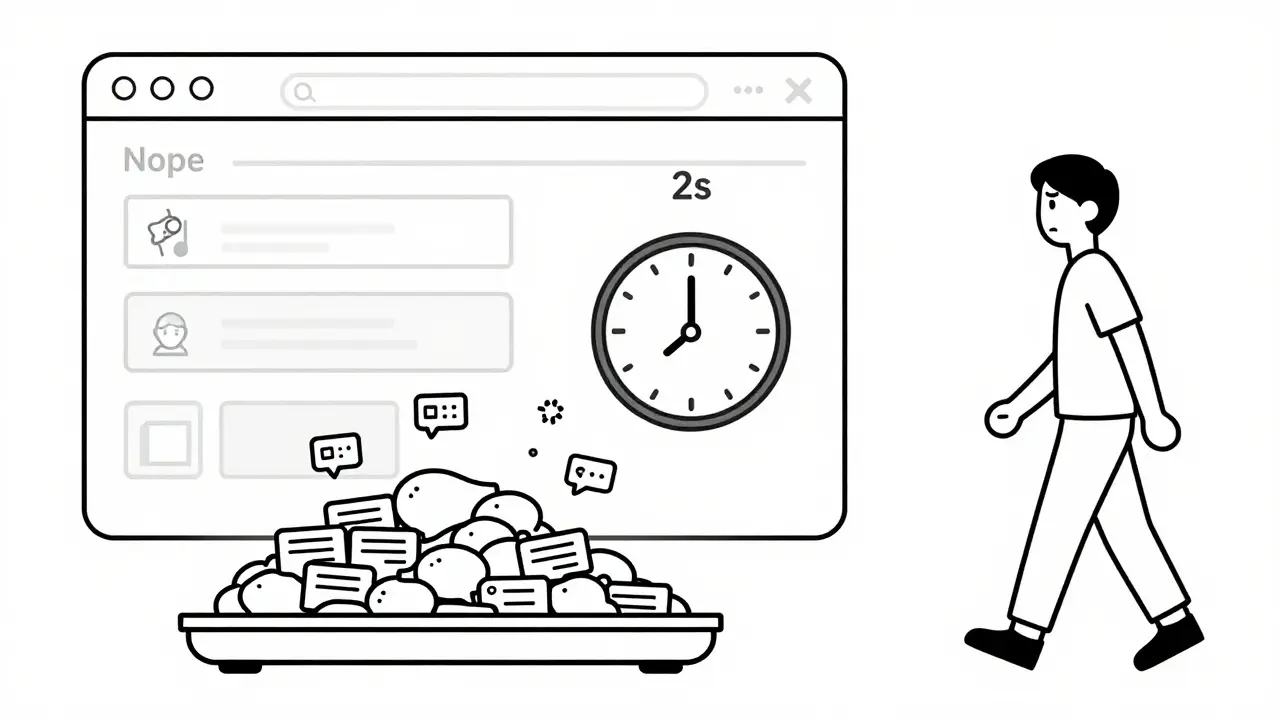
Performance budgets set clear limits on page weight, load time, and resource usage to keep websites fast. Learn how to define, measure, and enforce them using real tools and data to improve user experience and SEO.
Categories
 Artificial Intelligence
Archives
Recent-posts
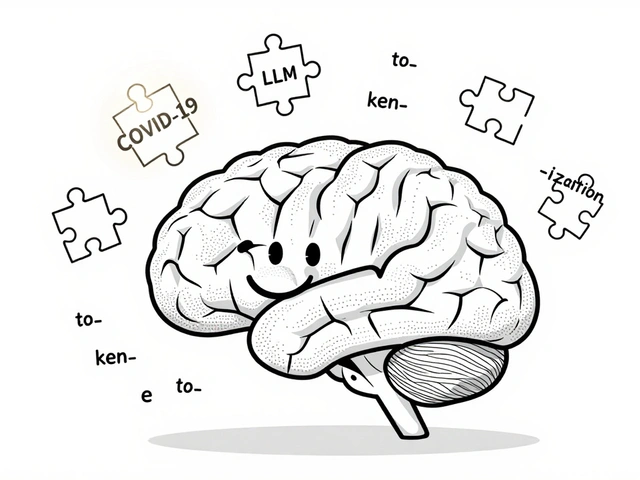
Why Tokenization Still Matters in the Age of Large Language Models
Sep, 21 2025
Enterprise Adoption, Governance, and Risk Management for Vibe Coding
Dec, 16 2025
Prompt Robustness: How to Make Large Language Models Handle Messy Inputs Reliably
Feb, 7 2026
Human-in-the-Loop Operations for Generative AI: Review, Approval, and Exceptions Strategy Guide
Mar, 26 2026
Knowledge Sharing for Vibe-Coded Projects: Internal Wikis and Demos That Actually Work
Dec, 28 2025