
Archive: 2026/07 - Page 2

Explore how to maintain GDPR and CCPA compliance in vibe-coded systems. Learn effective strategies for data mapping and consent flows to secure AI-generated applications.
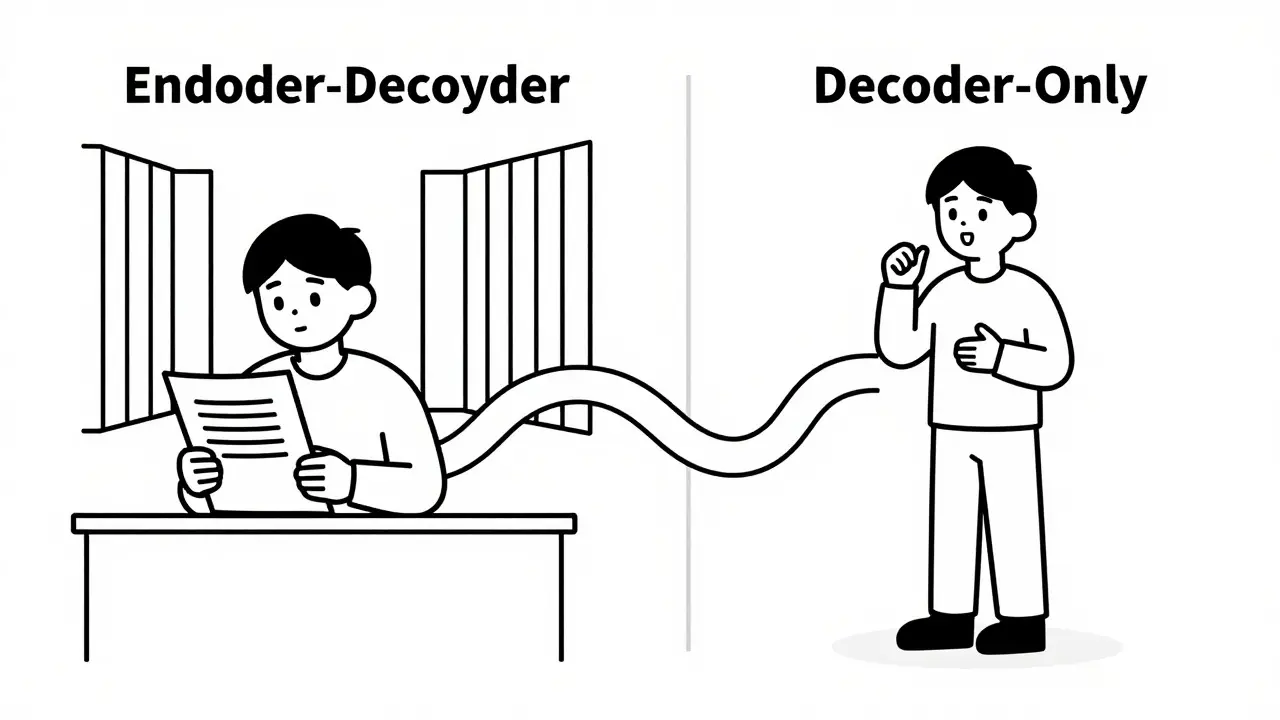
Explore the key differences between encoder-decoder and decoder-only transformer architectures. Learn which LLM design fits your project based on speed, accuracy, and task type.

Learn how to write maintainable prompts that produce clean, bug-free code. Discover specific techniques to reduce technical debt, improve readability, and streamline team collaboration with AI coding assistants.

Learn how to safely embed AI into enterprise toolchains using vibe coding. Explore architectures, security guardrails, and real-world adoption strategies for 2026.

Learn how to rescue AI-generated codebases with a step-by-step architecture plan. Fix technical debt, improve maintainability, and avoid common pitfalls using static analysis and rigorous testing.
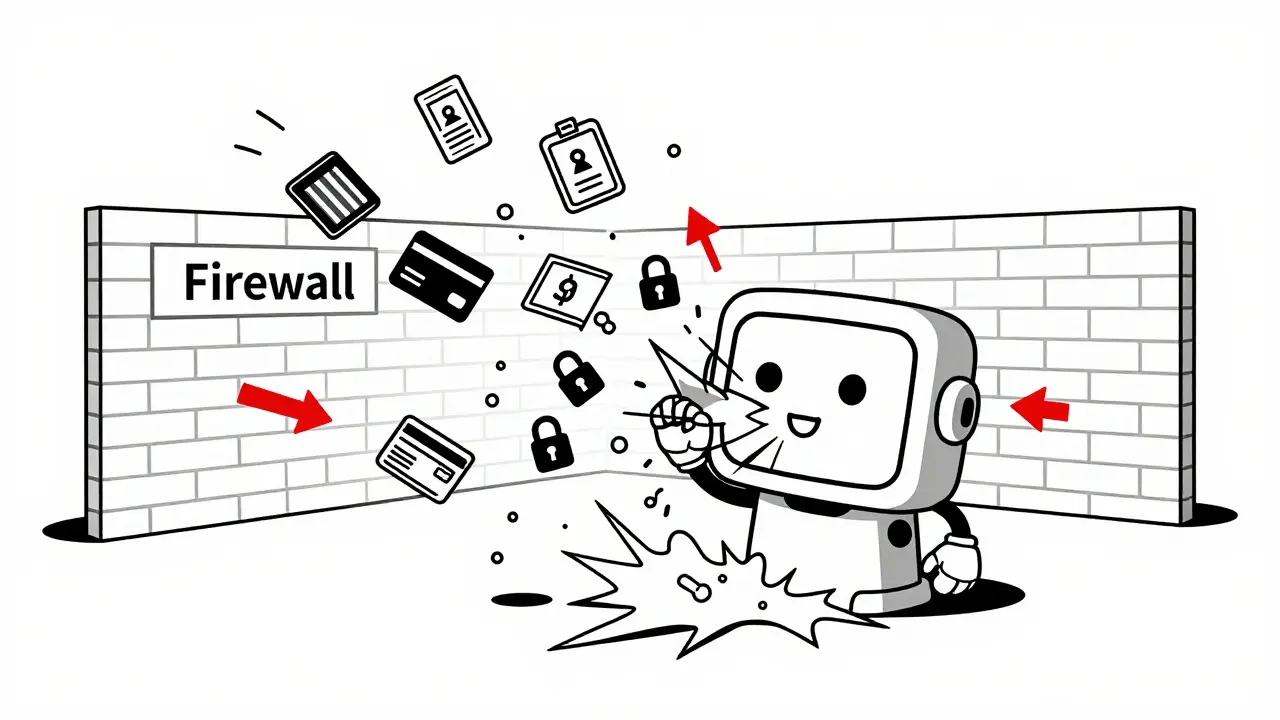
Learn how to secure LLM operations with compliance controls, semantic firewalls, and data governance. Avoid data leaks and meet EU AI Act requirements.

Discover how non-developers are launching real apps using vibe coding. Learn the top platforms, hidden risks, and step-by-step strategies to build software with AI in 2026.
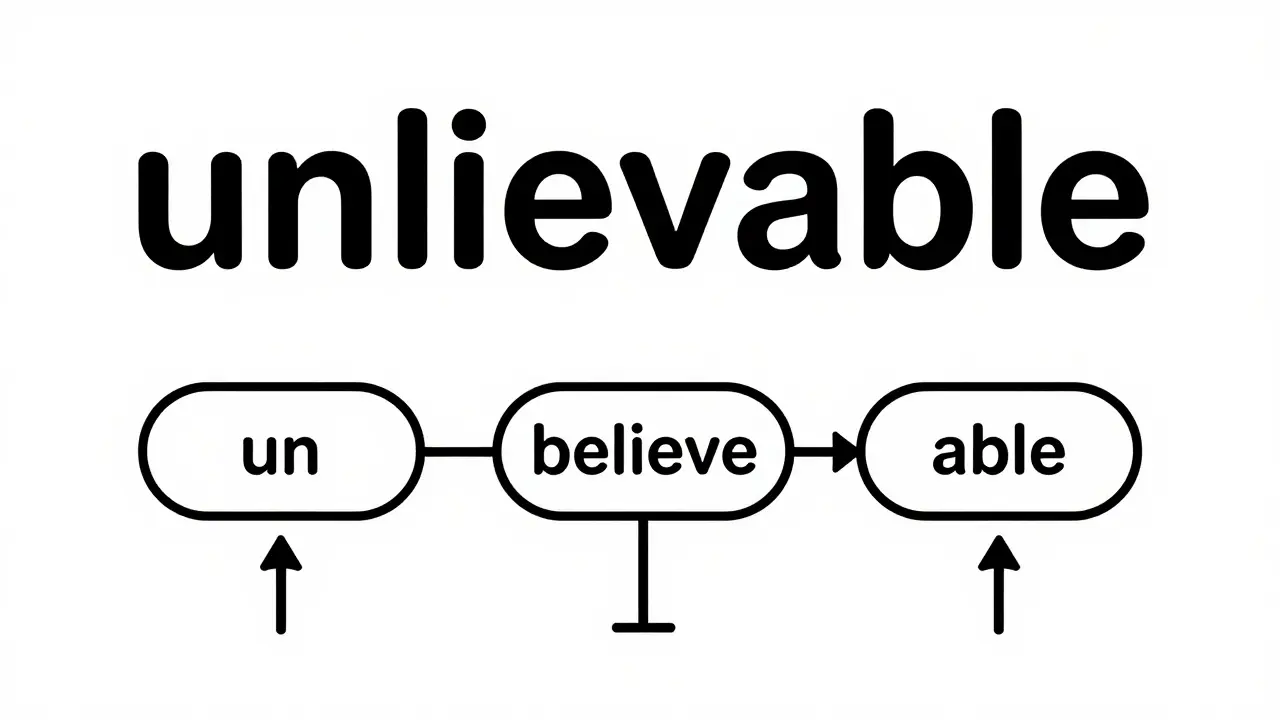
Explore the technical details of Transformer architecture, the backbone of modern LLMs. Learn how self-attention, MLP layers, and residual connections enable AI to understand and generate human language.
Explore the security risks of AI-generated code in 2026. Learn about common vulnerabilities like SQL injection and hardcoded credentials, and discover mitigation strategies using SAST tools and the EU AI Act.
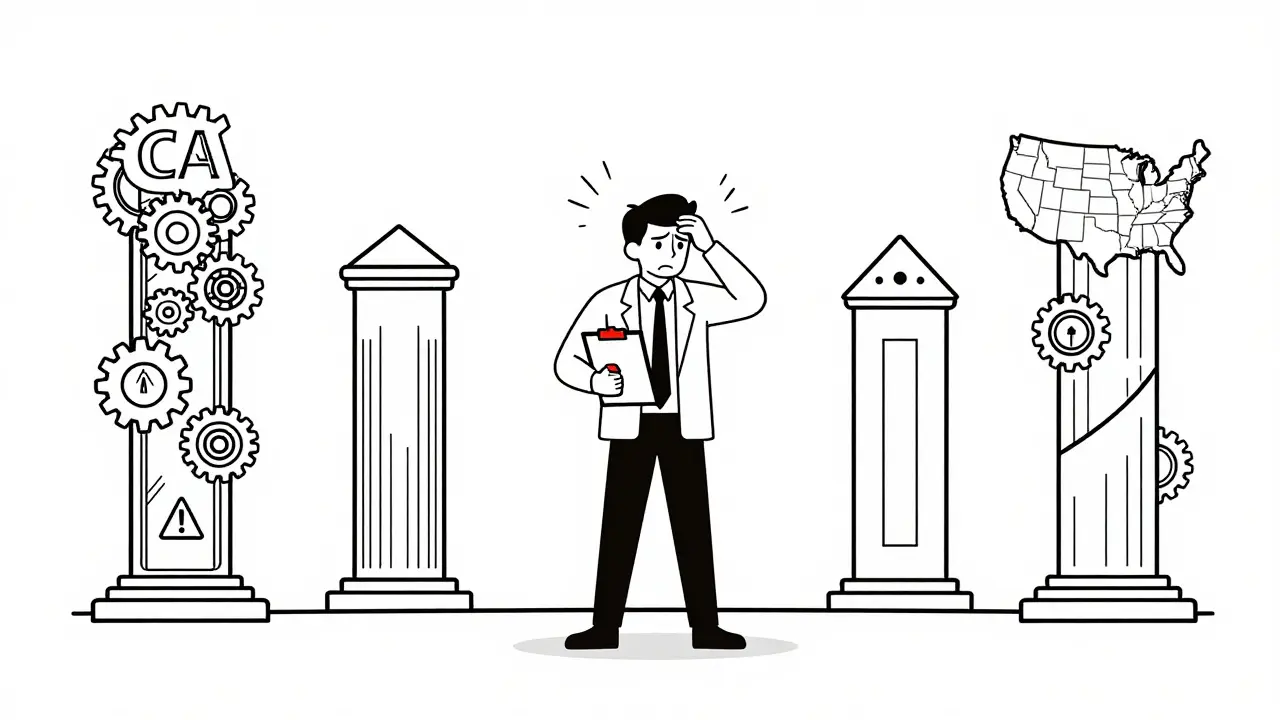
A guide to state-level generative AI laws in the US, comparing California's strict transparency rules with Colorado, Illinois, and Utah's sector-specific approaches for 2026.

Explore how combining RAG with decoding strategies like LoRAG and Layer Fused Decoding reduces LLM hallucinations and boosts factual accuracy in AI responses.
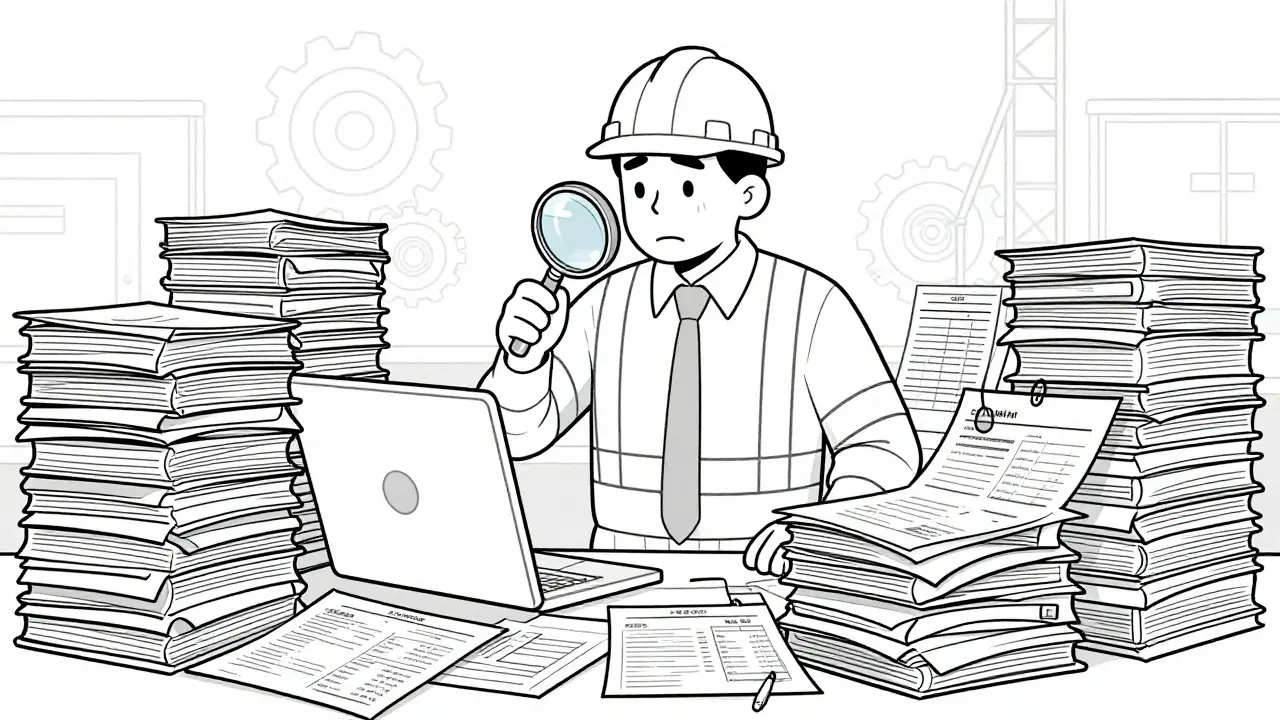
Explore how Large Language Models enhance safety in regulated industries like construction and healthcare. Learn about use cases, security challenges, and the three principles for deploying regulatory-grade AI safely.
Categories
 Artificial Intelligence
Archives
Recent-posts
Domain-Specialized Generative AI Models: Why Vertical Expertise Beats General Purpose AI
Mar, 9 2026

How Vision-Language Models Align Embeddings for Joint Understanding
Jul, 27 2026

Legal Services and Generative AI: Automating Documents, Contracts, and Knowledge
Sep, 14 2026
How to Evaluate and Monitor Drift After Fine-Tuning Your LLM
Apr, 10 2026
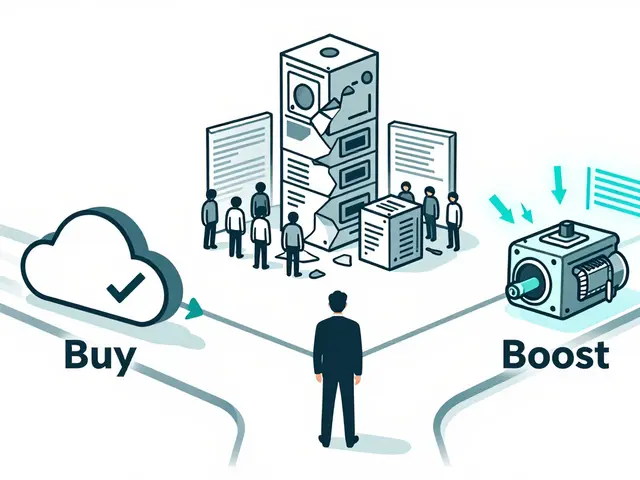
Build vs Buy for Generative AI Platforms: A Practical Decision Framework for CIOs
Feb, 1 2026