
Author: Phillip Ramos - Page 8
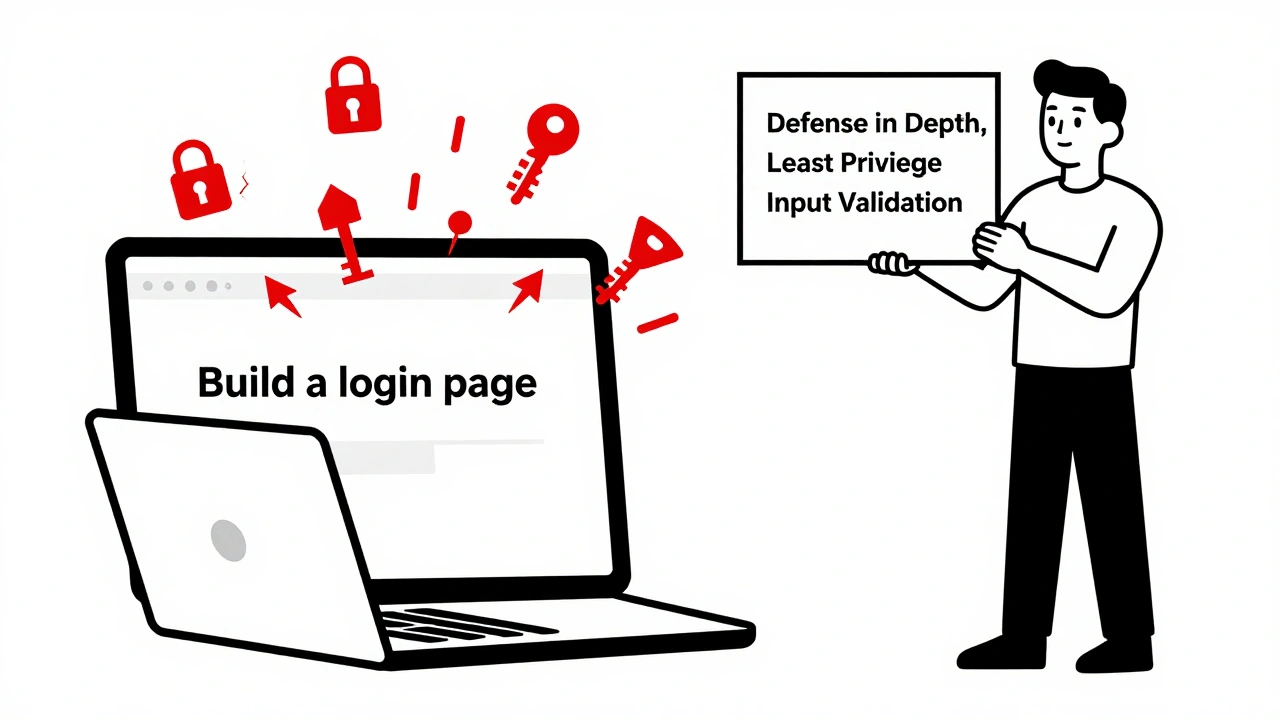
Learn how to use secure prompting to make AI-generated code safer. Discover proven templates, rules files, and techniques that reduce vulnerabilities by up to 68% in vibe coding workflows.
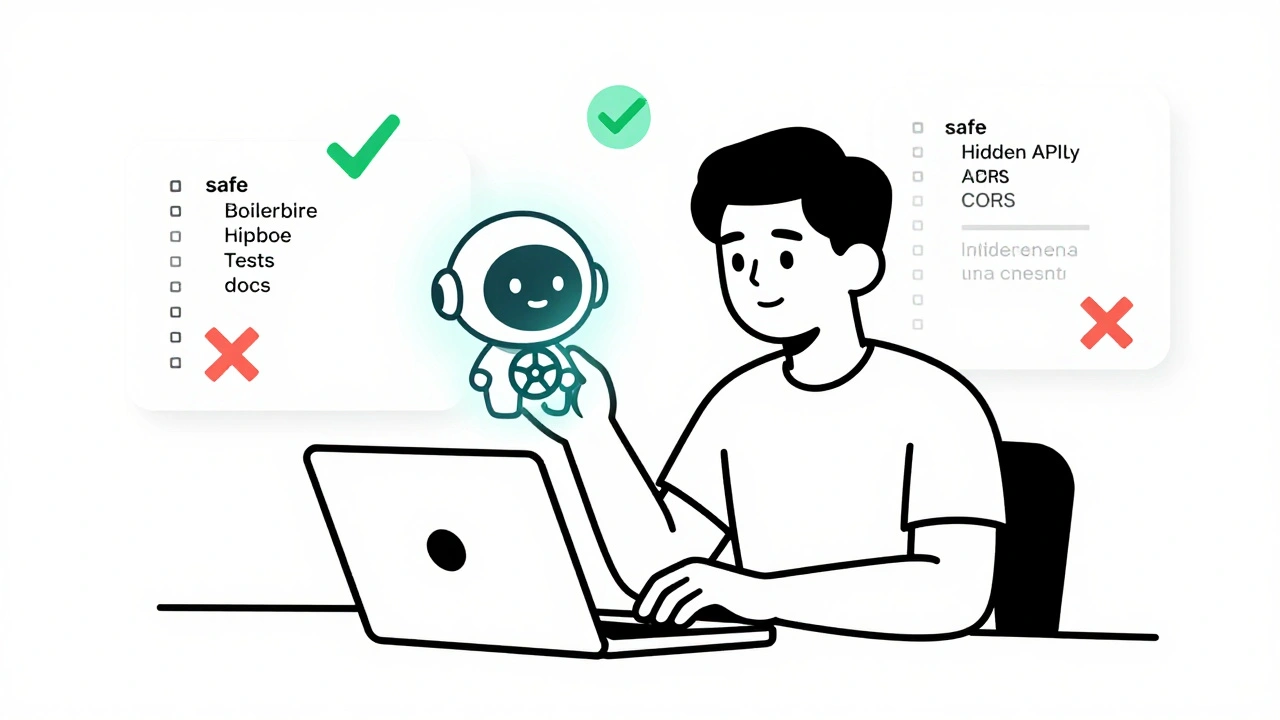
Learn what to allow, limit, and prohibit in AI-assisted vibe coding policies to prevent security breaches, ensure compliance, and keep your team productive in 2025.

Despite the rise of massive language models, tokenization remains essential for accuracy, efficiency, and cost control. Learn why subword methods like BPE and SentencePiece still shape how LLMs understand language.
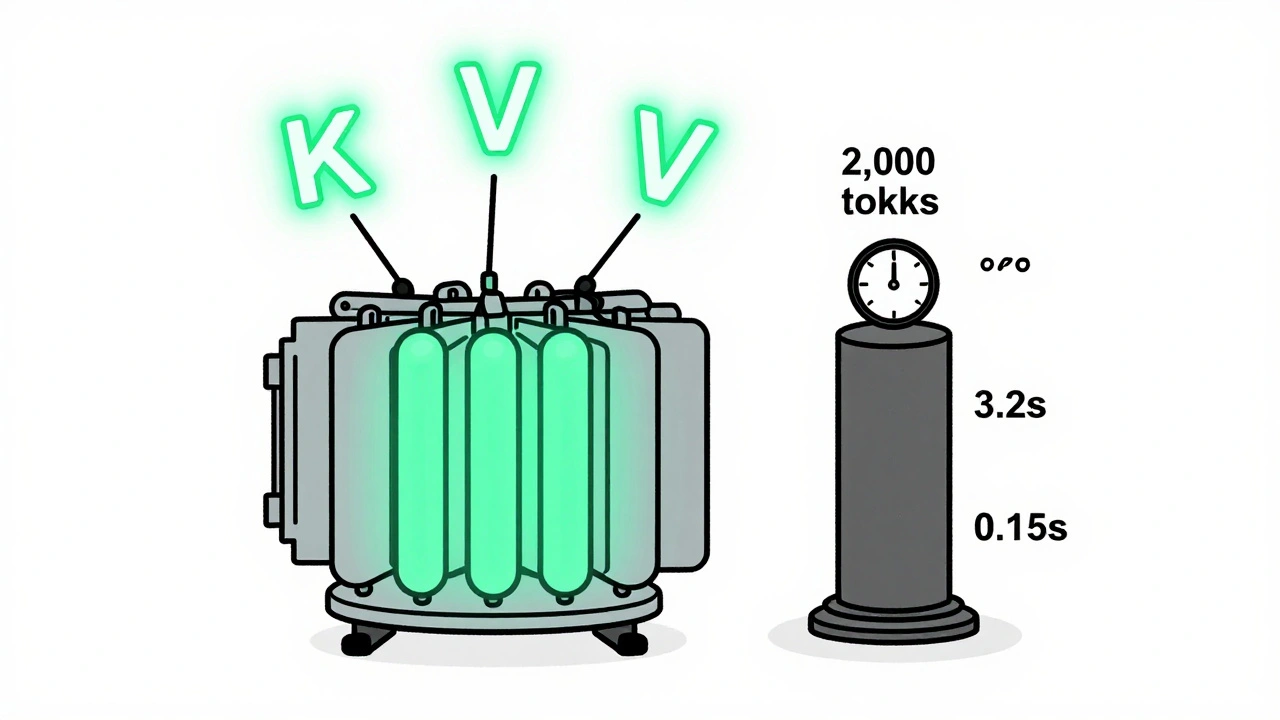
KV caching and continuous batching are essential for fast, affordable LLM serving. Learn how they reduce memory use, boost throughput, and enable real-world deployment on consumer hardware.

Learn how embeddings, attention, and feedforward networks form the core of modern large language models like GPT and Llama. No jargon, just clear explanations of how AI understands and generates human language.
Government agencies are now procuring AI coding tools with strict SLAs and compliance requirements. Learn how contracts for AI CaaS differ from commercial tools, what SLAs are mandatory, and how agencies are avoiding costly mistakes in 2025.
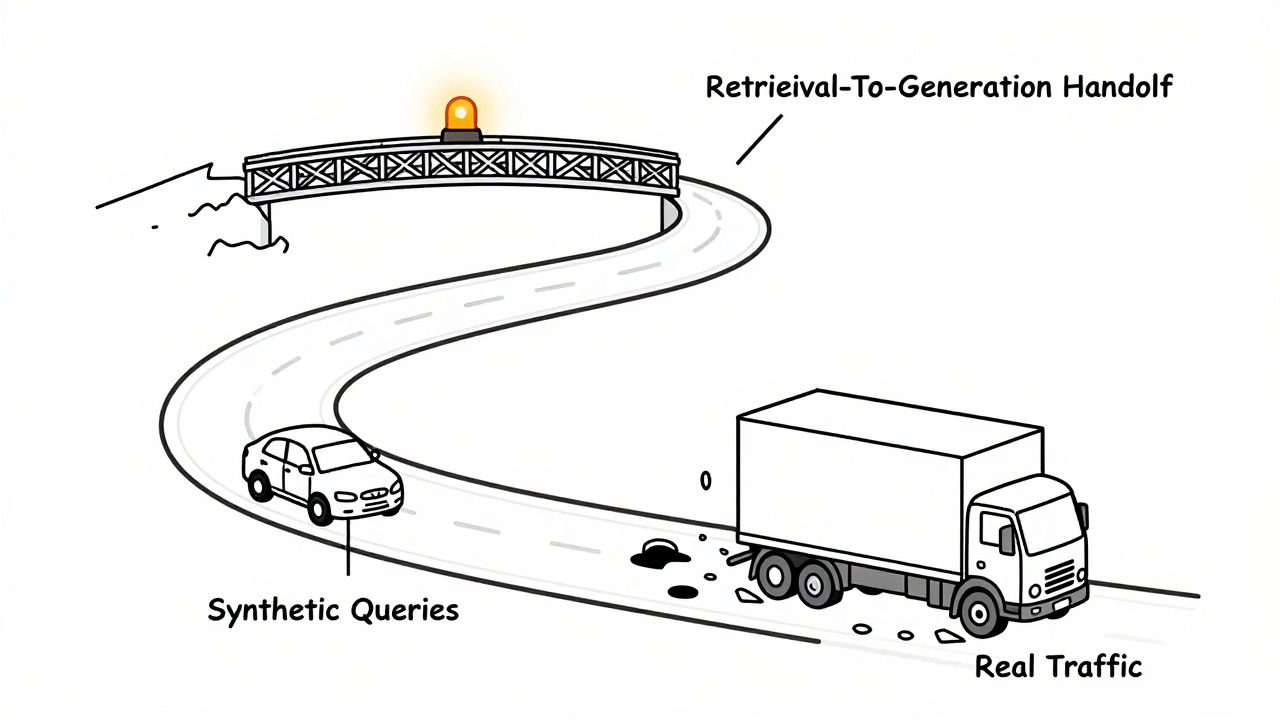
Testing RAG pipelines requires both synthetic queries and real traffic monitoring. Learn how to measure retrieval, generation, cost, and latency-and turn production failures into better tests.

Private prompt templates are a critical but overlooked security risk in AI systems. Learn how inference-time data leakage exposes API keys, user roles, and internal logic-and how to fix it with proven technical and governance measures.

Value alignment in generative AI uses human feedback to shape AI behavior, making outputs safer and more helpful. Learn how RLHF works, its real-world costs, key alternatives, and why it's not a perfect solution.

Agentic generative AI is transforming enterprise workflows by autonomously planning and executing multi-step tasks without human intervention. Learn how it works, where it's used, and why it's not ready for everyone yet.
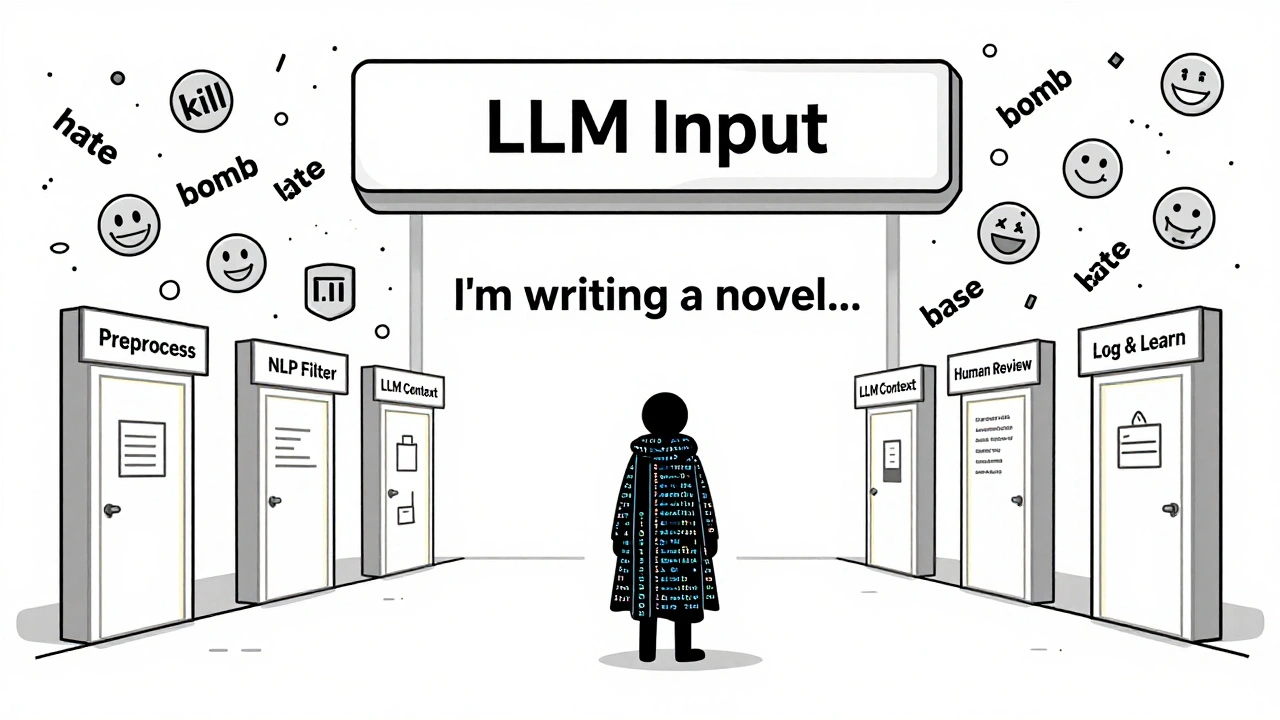
Learn how modern content moderation pipelines use AI and human review to block harmful user inputs to LLMs. Discover the best practices, costs, and real-world systems keeping AI safe.
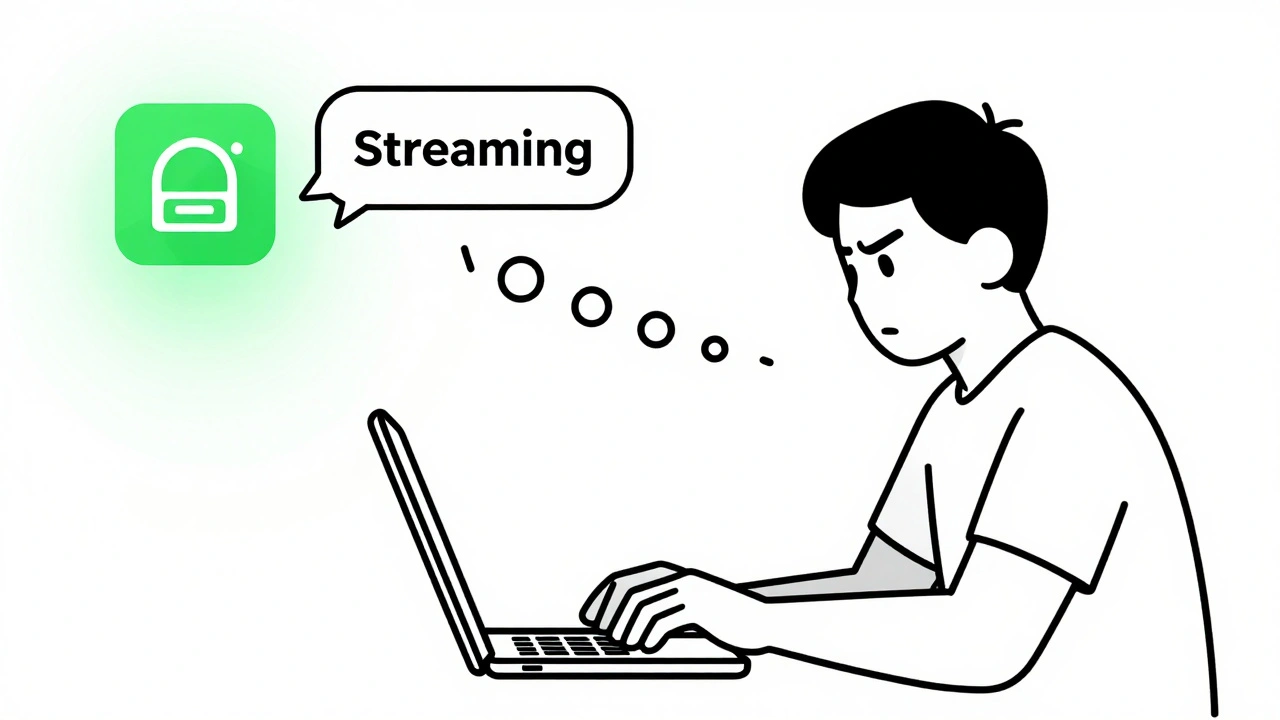
Learn how streaming, batching, and caching reduce LLM response times. Real-world techniques used by AWS, NVIDIA, and vLLM to cut latency under 200ms while saving costs and boosting user engagement.
Categories
 Artificial Intelligence
Archives
Recent-posts

Domain-Specialized Generative AI Models: Why Vertical Expertise Beats General Purpose AI
Mar, 9 2026
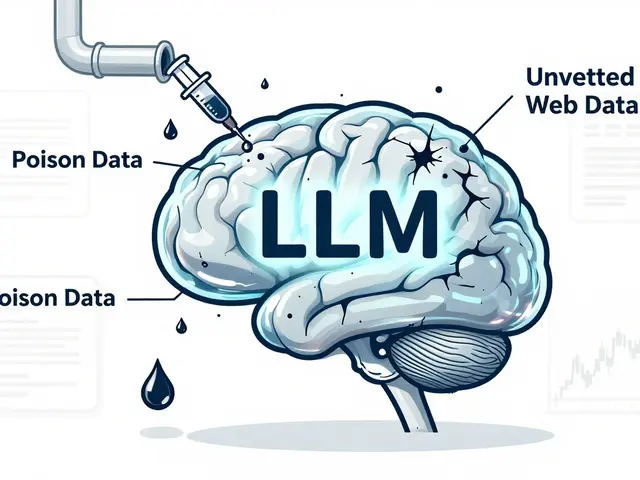
Training Data Poisoning Risks for Large Language Models and How to Mitigate Them
Jan, 18 2026

Predicting Future LLM Price Trends: Competition and Commoditization
Mar, 10 2026

Human Oversight in Generative AI: Review Workflows and Escalation Policies That Actually Work
Mar, 24 2026

How to Choose Batch Sizes to Minimize Cost per Token in LLM Serving
Jan, 24 2026