
Author: Phillip Ramos - Page 6
Discover how generative AI transforms e-commerce with dynamic copy and personalized merchandising. Learn about implementation costs, platform comparisons, and future trends.

Discover how generative AI transforms sales battlecards, automates call summaries, and enhances objection handling. Learn real-world impacts, implementation tips, and top tools for 2026.
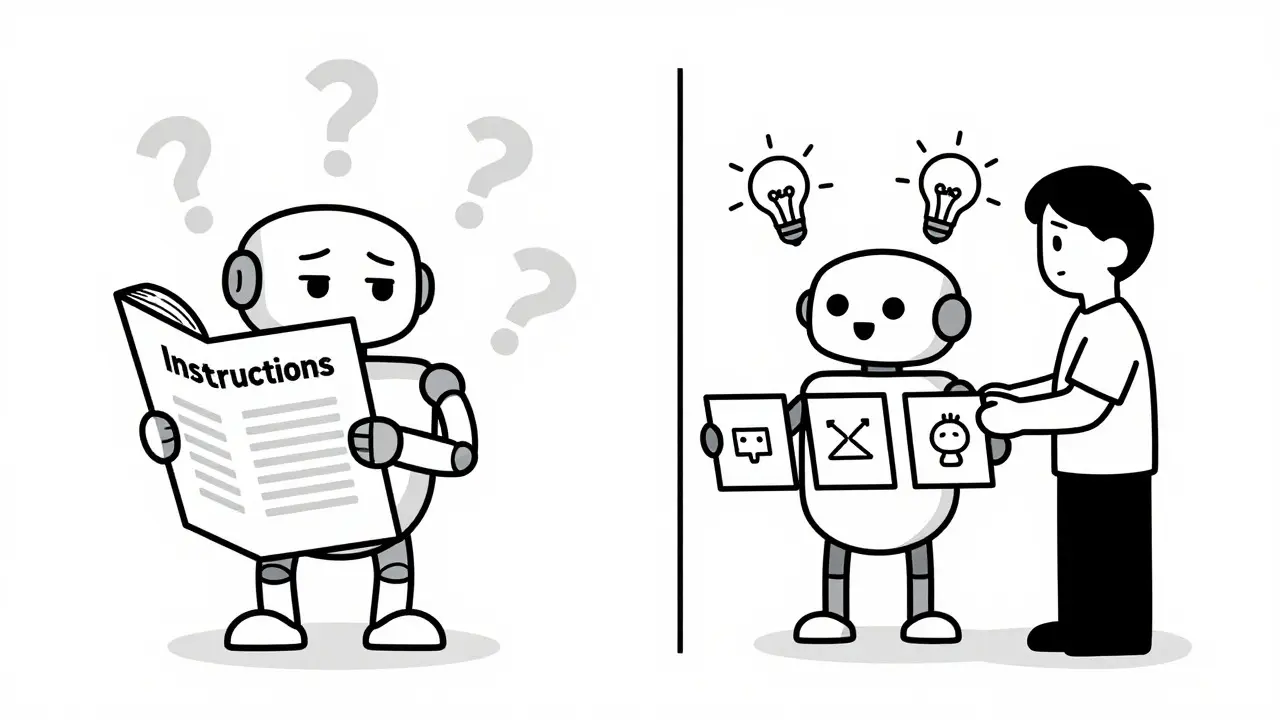
Learn how few-shot prompting boosts AI accuracy by 15-40%. Discover why examples beat instructions, how to structure prompts effectively, and when to switch from zero-shot to few-shot techniques.
Explore how to maintain GDPR and CCPA compliance in vibe-coded systems. Learn effective strategies for data mapping and consent flows to secure AI-generated applications.
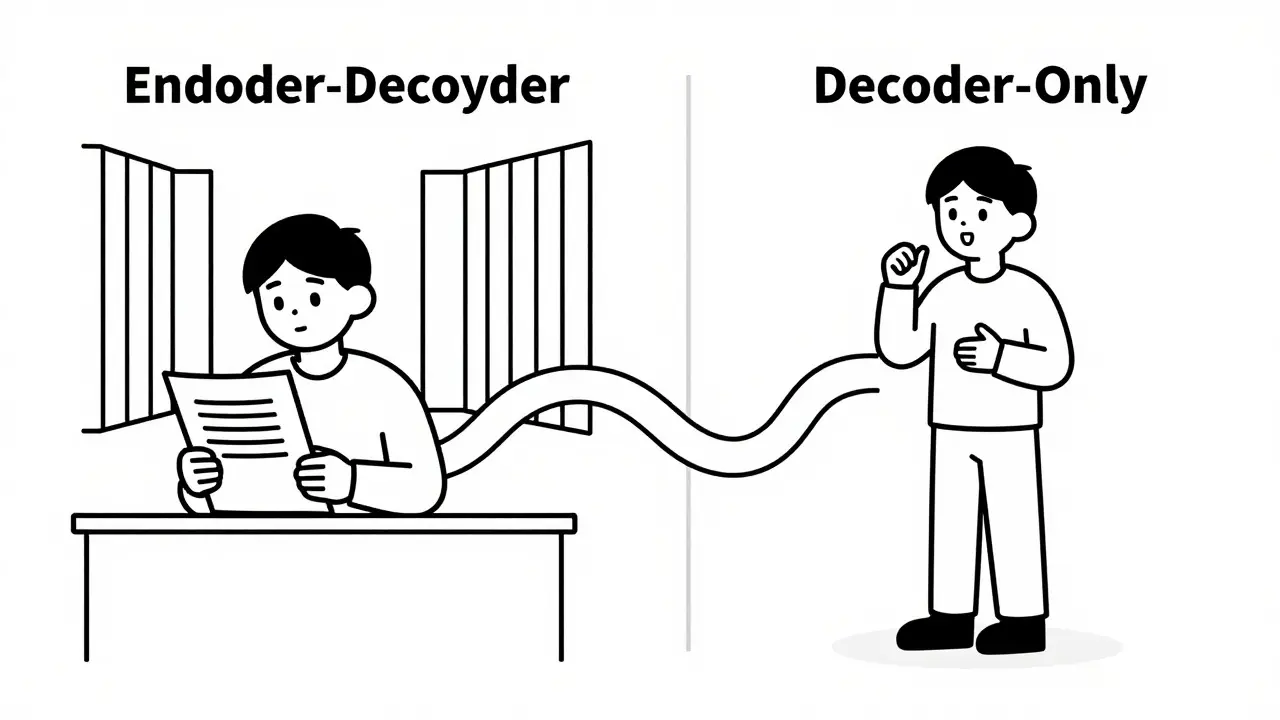
Explore the key differences between encoder-decoder and decoder-only transformer architectures. Learn which LLM design fits your project based on speed, accuracy, and task type.

Learn how to write maintainable prompts that produce clean, bug-free code. Discover specific techniques to reduce technical debt, improve readability, and streamline team collaboration with AI coding assistants.

Learn how to safely embed AI into enterprise toolchains using vibe coding. Explore architectures, security guardrails, and real-world adoption strategies for 2026.

Learn how to rescue AI-generated codebases with a step-by-step architecture plan. Fix technical debt, improve maintainability, and avoid common pitfalls using static analysis and rigorous testing.
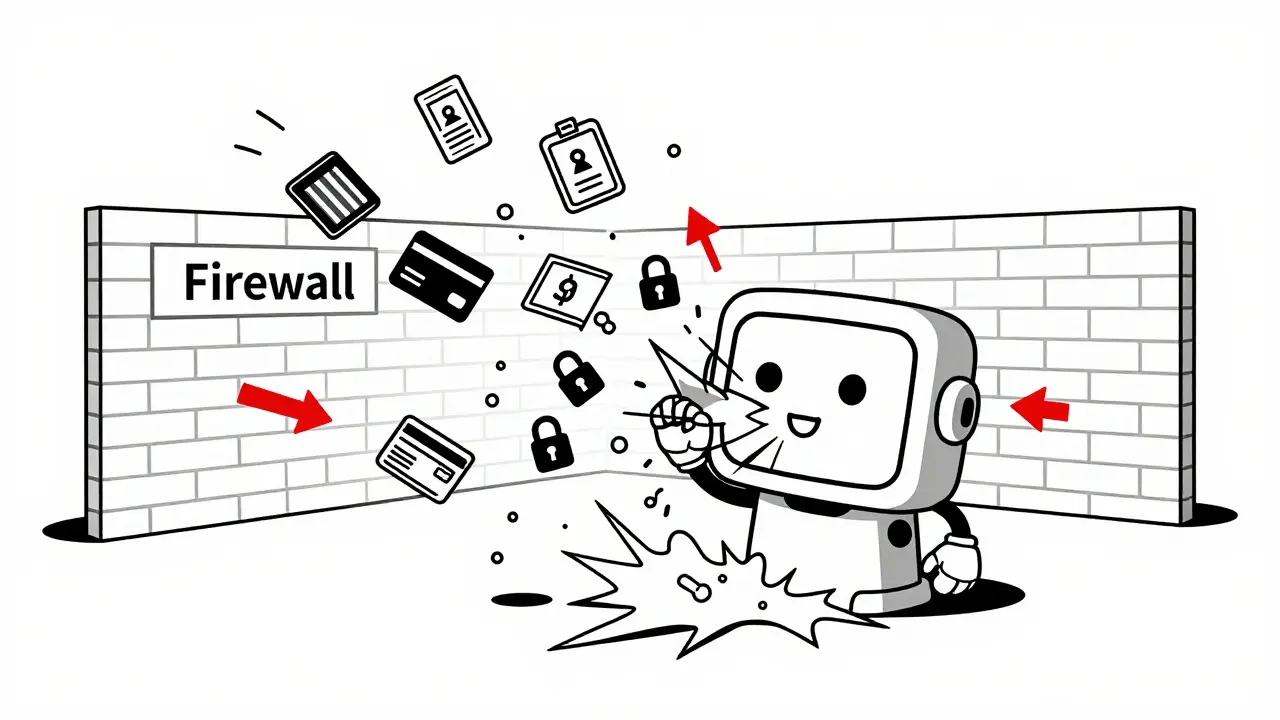
Learn how to secure LLM operations with compliance controls, semantic firewalls, and data governance. Avoid data leaks and meet EU AI Act requirements.
Discover how non-developers are launching real apps using vibe coding. Learn the top platforms, hidden risks, and step-by-step strategies to build software with AI in 2026.
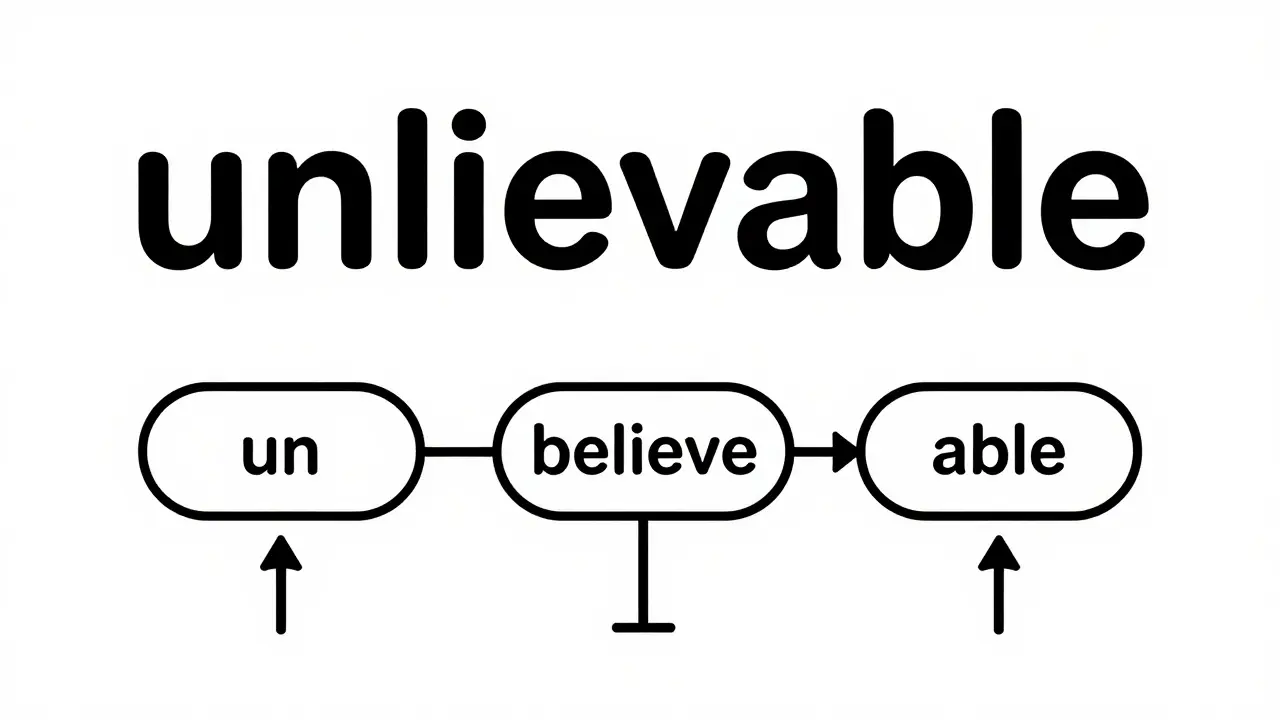
Explore the technical details of Transformer architecture, the backbone of modern LLMs. Learn how self-attention, MLP layers, and residual connections enable AI to understand and generate human language.
Explore the security risks of AI-generated code in 2026. Learn about common vulnerabilities like SQL injection and hardcoded credentials, and discover mitigation strategies using SAST tools and the EU AI Act.
Categories
 Artificial Intelligence
Archives
Recent-posts

How Generative AI Improves Customer Service: Chatbots, Virtual Agents, and Knowledge Automation
Aug, 5 2026
Why Large Language Models Excel: Transfer, Generalization, and Emergent Abilities Explained
Jun, 13 2026
Prompting Strategies for Effective Vibe Coding: Best Practices & Guide
Aug, 16 2026
Team Size Compression: How to Deliver More with Smaller, Leaner Teams
May, 8 2026
Accessibility Risks in AI-Generated Interfaces: Why WCAG Isn't Enough Anymore
Jan, 30 2026