
Tag: large language models

Discover how Multi-Head Attention enables LLMs to analyze language from parallel perspectives. Learn its mechanics, benefits, and future trends.
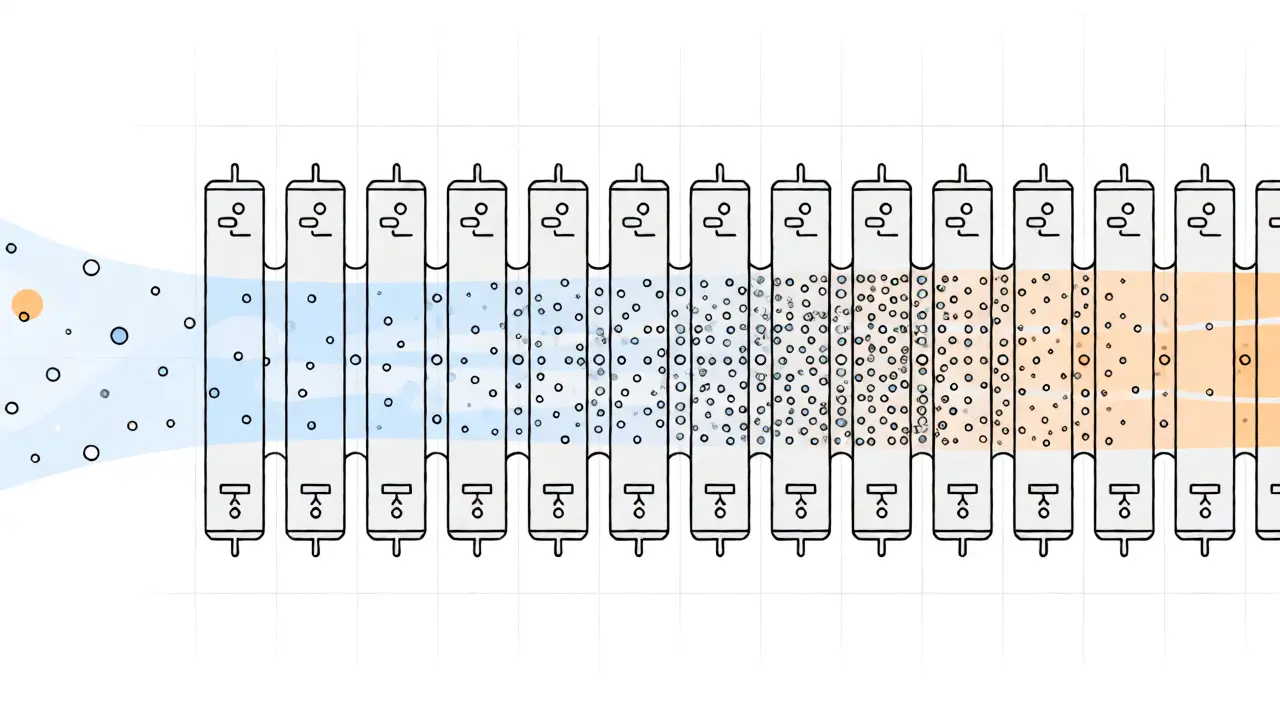
Discover why LLMs stack identical transformer blocks. Learn how depth builds hierarchical abstractions from syntax to reasoning, and why repetition ensures trainability.
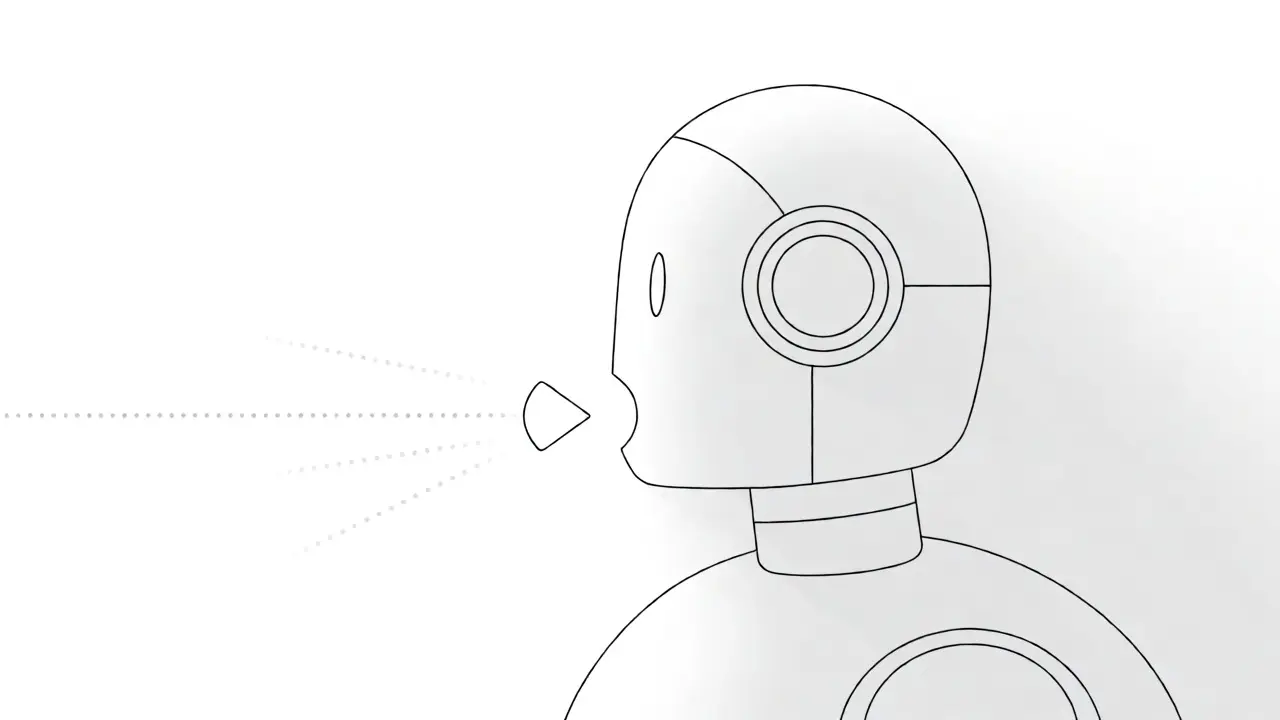
Discover how autoregressive text generation powers modern LLMs. Learn about next-token prediction, causal modeling, and decoding strategies like temperature and top-p.

Explore the mystery of emergent capabilities in generative AI. Learn what drives these sudden skill jumps, the ongoing debate about their reality, and their implications for future AI safety.

Explore the critical distinction between fluency and deep knowledge in Large Language Models. Learn why LLMs ace exams but fail complex tasks, and how to use them effectively.

Explore how cross-lingual transfer enables LLMs to master new languages without retraining. We analyze strengths, limits, and benchmarks like XTREME and XLM-R.
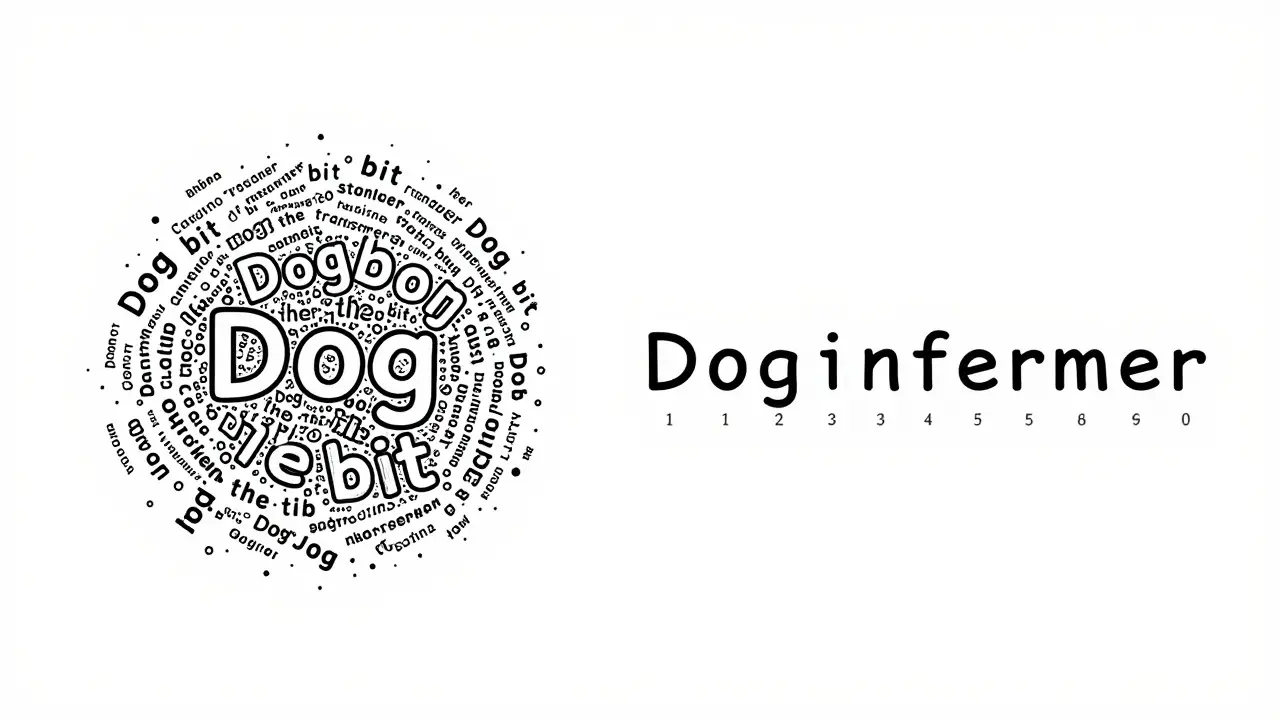
Explore the evolution of positional encoding in Transformers. Compare sinusoidal vs learned embeddings and discover why modern LLMs adopt RoPE and ALiBi for superior long-context performance.
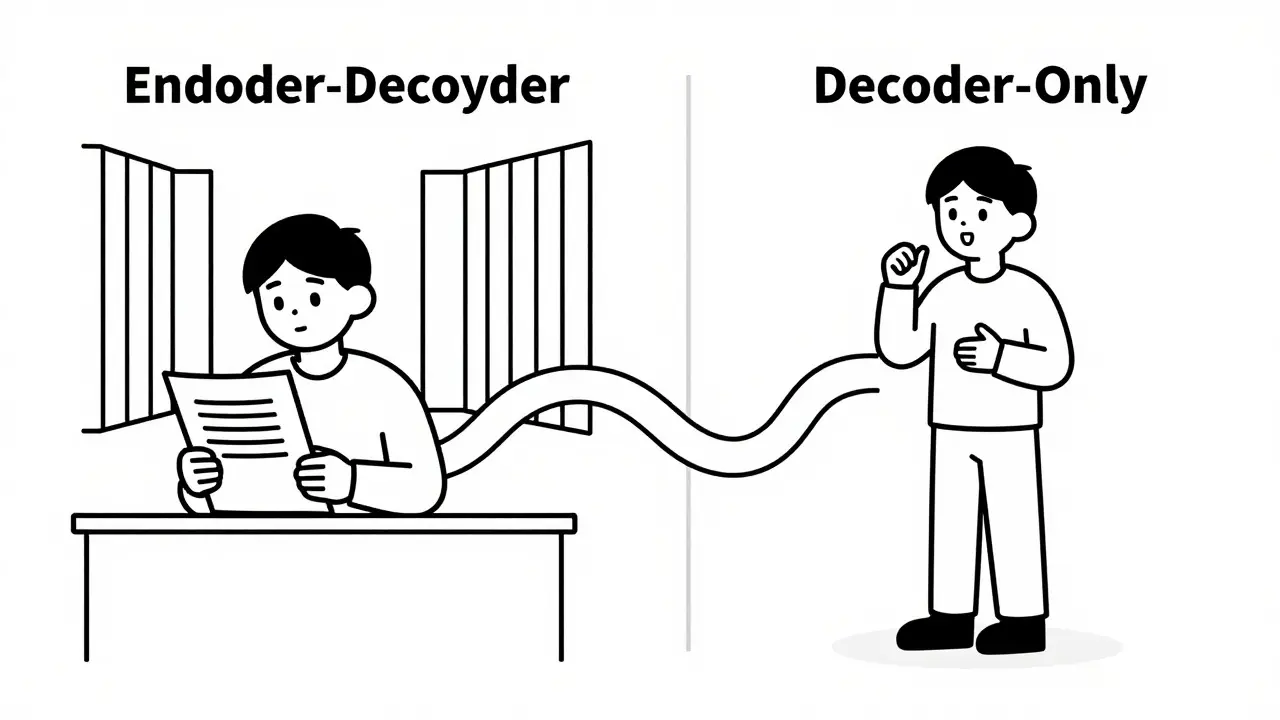
Explore the key differences between encoder-decoder and decoder-only transformer architectures. Learn which LLM design fits your project based on speed, accuracy, and task type.
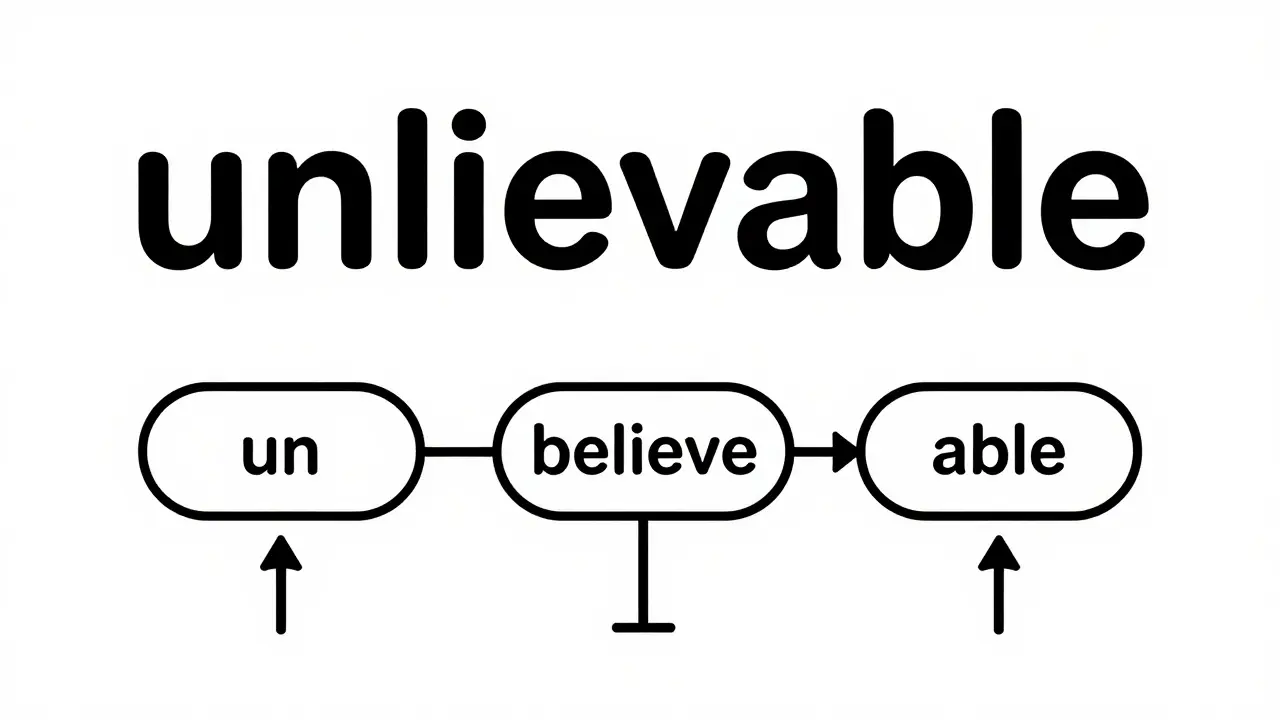
Explore the technical details of Transformer architecture, the backbone of modern LLMs. Learn how self-attention, MLP layers, and residual connections enable AI to understand and generate human language.

Discover how positional encoding solves the order-blindness of Transformers. Learn about sinusoidal, learned, and RoPE methods that enable LLMs to understand context and sequence.
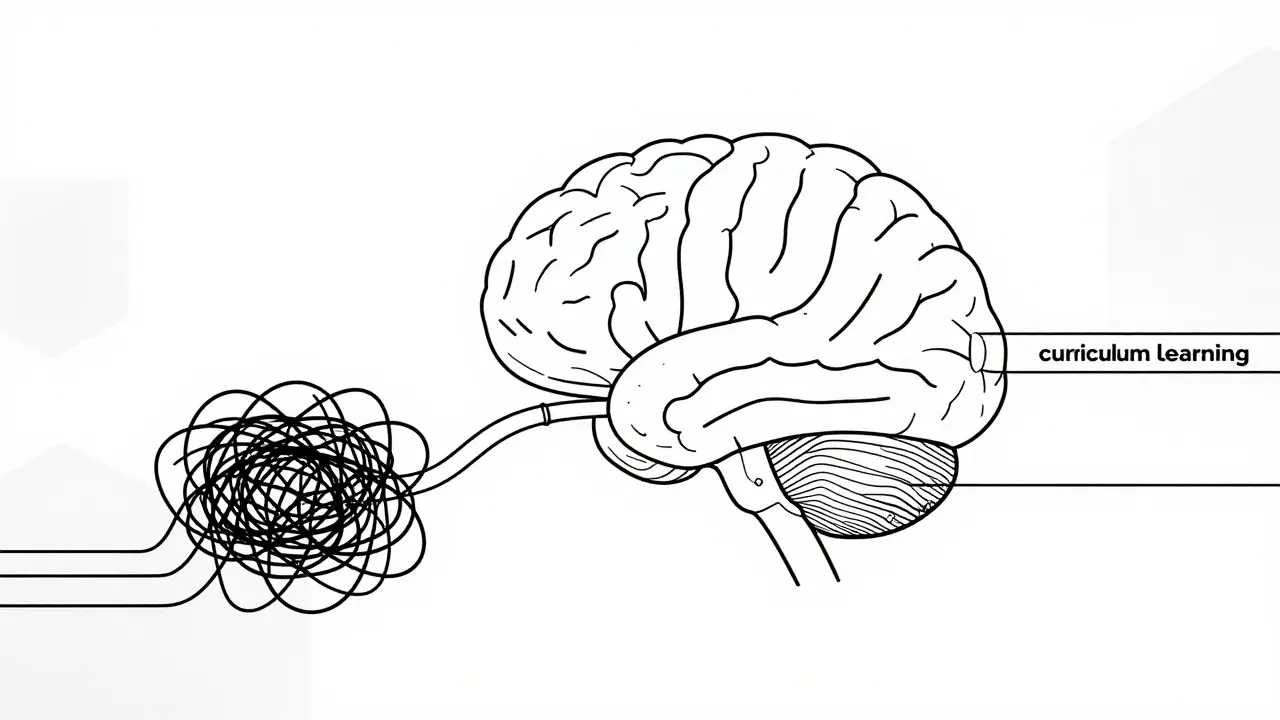
Discover how curriculum learning and optimized data mixtures accelerate LLM scaling in 2026. Learn the 60-30-10 rule, performance gains, and implementation tips from MIT-IBM and NVIDIA research.
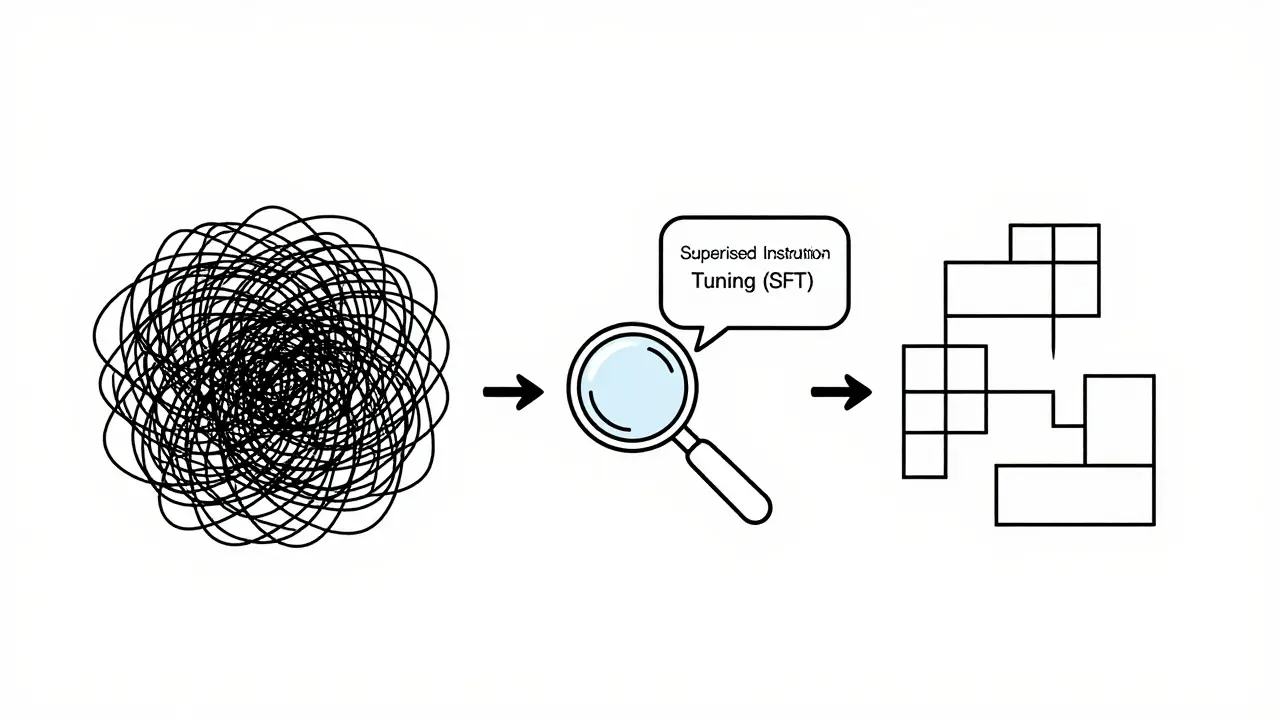
Explore how next-gen LLMs master instruction following through SFT, DPO, AutoIF, and activation steering. Learn why models like GPT-4 and Llama-3 excel at complex tasks and what's next for AI alignment.
Categories
 Artificial Intelligence
Archives
Recent-posts

Vibe Coding for Knowledge Workers: Personal Tools That Save Hours Weekly
Jun, 26 2026
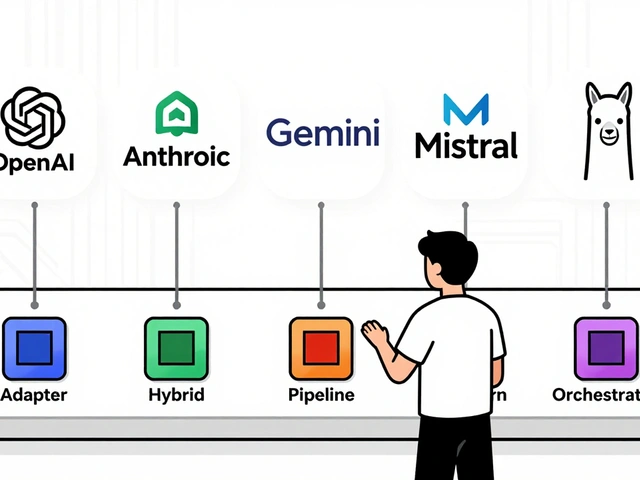
Interoperability Patterns to Abstract Large Language Model Providers
Jul, 22 2025
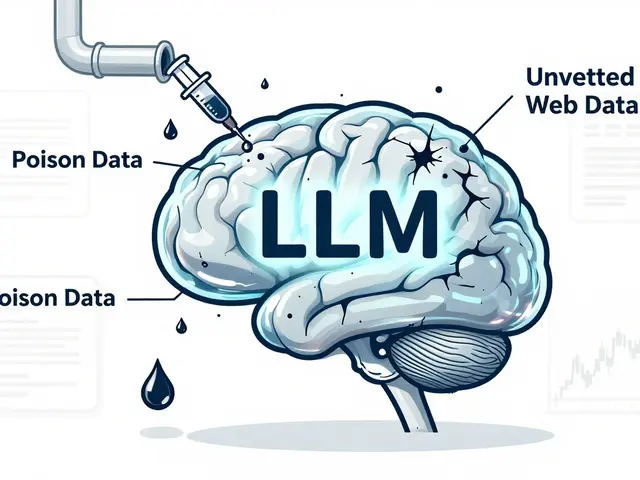
Training Data Poisoning Risks for Large Language Models and How to Mitigate Them
Jan, 18 2026

Latency Optimization for Large Language Models: Streaming, Batching, and Caching
Aug, 1 2025

Benchmarking Scaling Outcomes: Measuring Returns on Bigger LLMs
May, 7 2026