
PCables AI Interconnects - Page 23
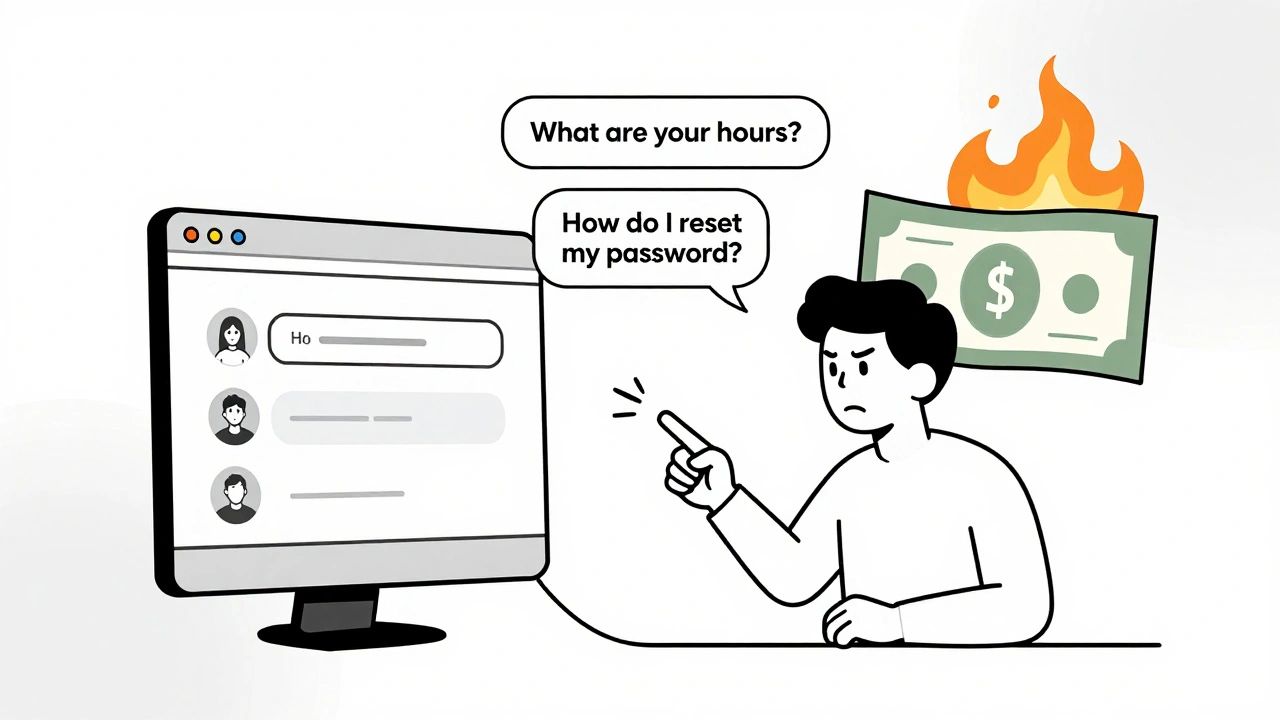
Caching is essential for AI web apps to reduce latency and cut costs. Learn how to start with prompt caching, semantic search, and Redis to make your AI responses faster and cheaper.
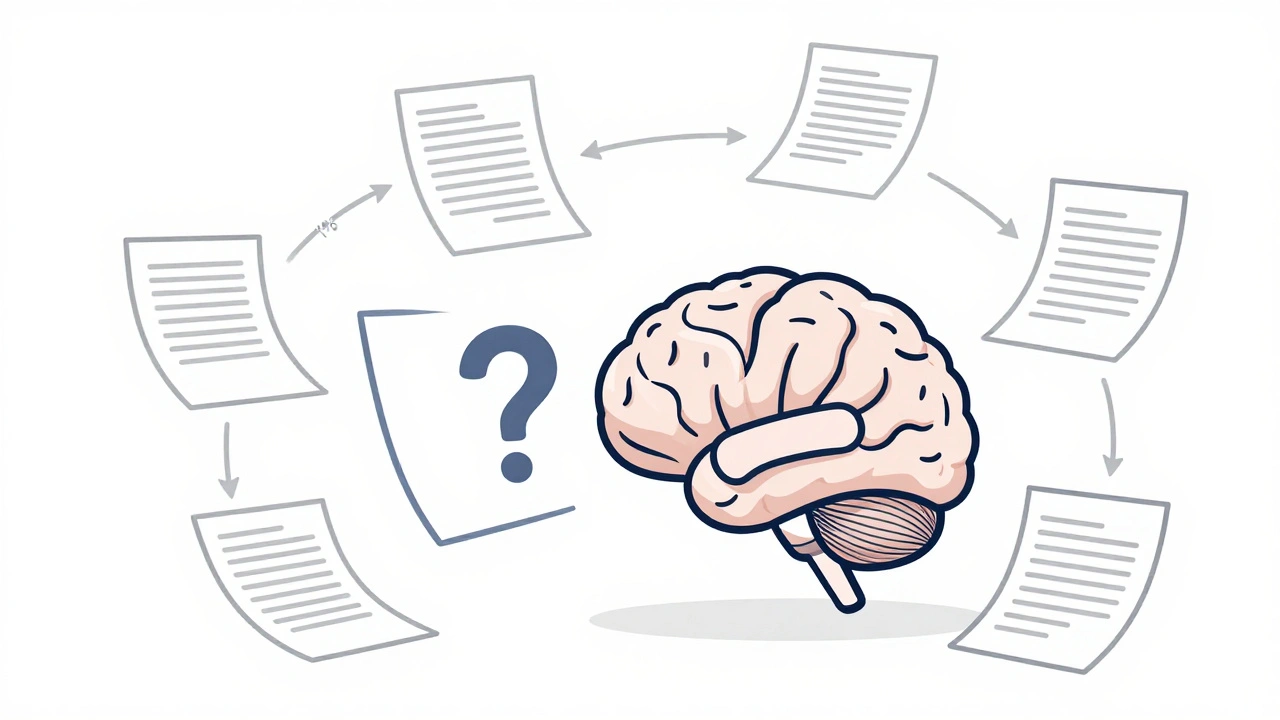
Chunking strategies determine how well RAG systems retrieve information from documents. Page-level chunking with 15% overlap delivers the best balance of accuracy and speed for most use cases, but hybrid and adaptive methods are rising fast.

Disaster recovery for large language models requires specialized backups and failover strategies to protect massive model weights, training data, and inference APIs. Learn how to build a resilient AI infrastructure that minimizes downtime and avoids costly outages.

Large language models are transforming localization by understanding context, tone, and culture - not just words. Learn how they outperform traditional translation tools and what it takes to use them safely and effectively.
Multimodal AI understands text, images, audio, and video together-making it far more accurate than text-only systems. Learn how it's transforming healthcare, customer service, and retail with real-world results.
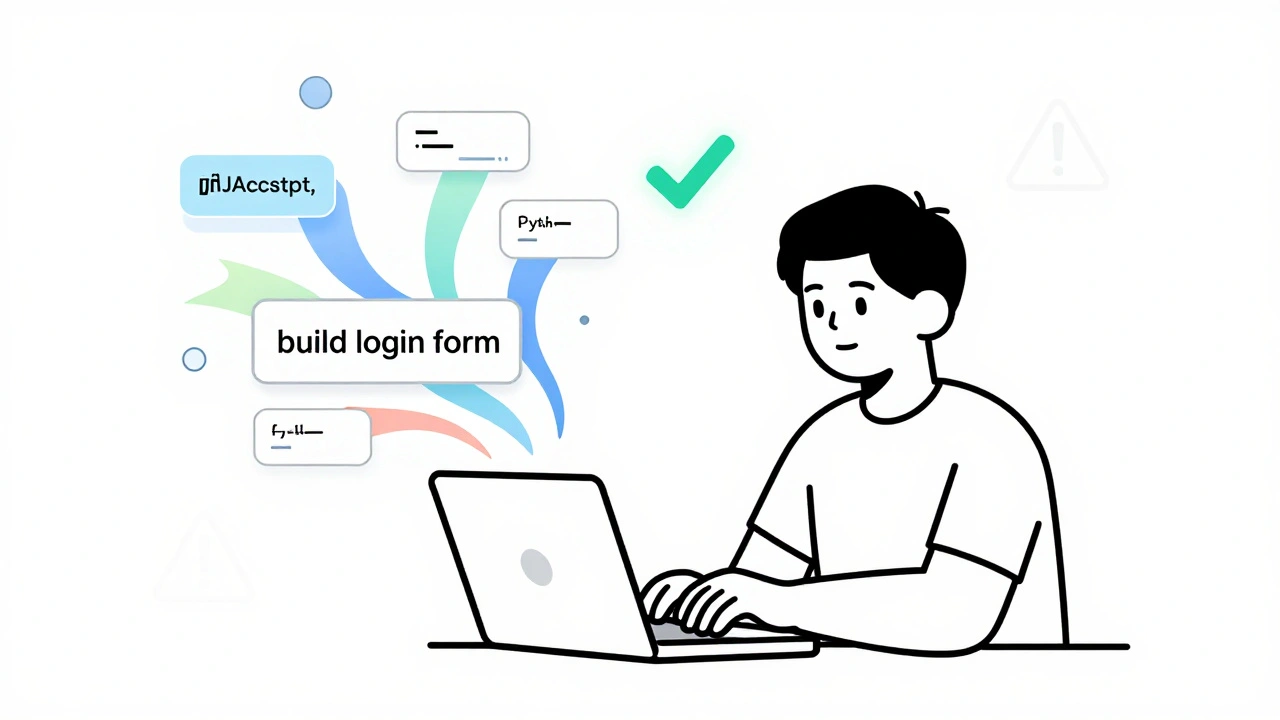
Vibe coding boosts development speed with AI-generated code, but introduces serious security and compliance risks. Learn how to use AI assistants like GitHub Copilot safely without sacrificing control or long-term maintainability.
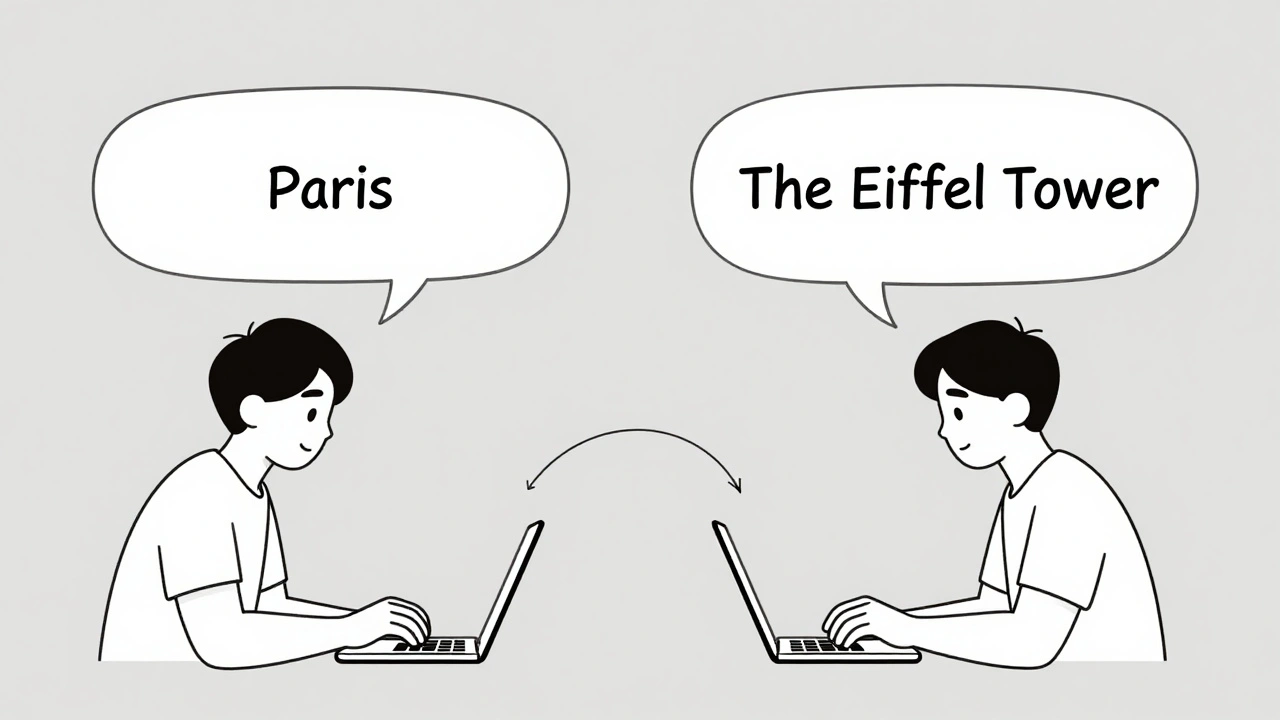
Small changes in how you phrase a question can drastically alter an AI's response. Learn why prompt sensitivity makes LLMs unpredictable, how it breaks real applications, and proven ways to get consistent, reliable outputs.

Domain-specialized LLMs like CodeLlama, Med-PaLM 2, and MathGLM outperform general AI in coding, medicine, and math. Learn how they work, their real-world accuracy, costs, and why they're replacing generic models in professional settings.
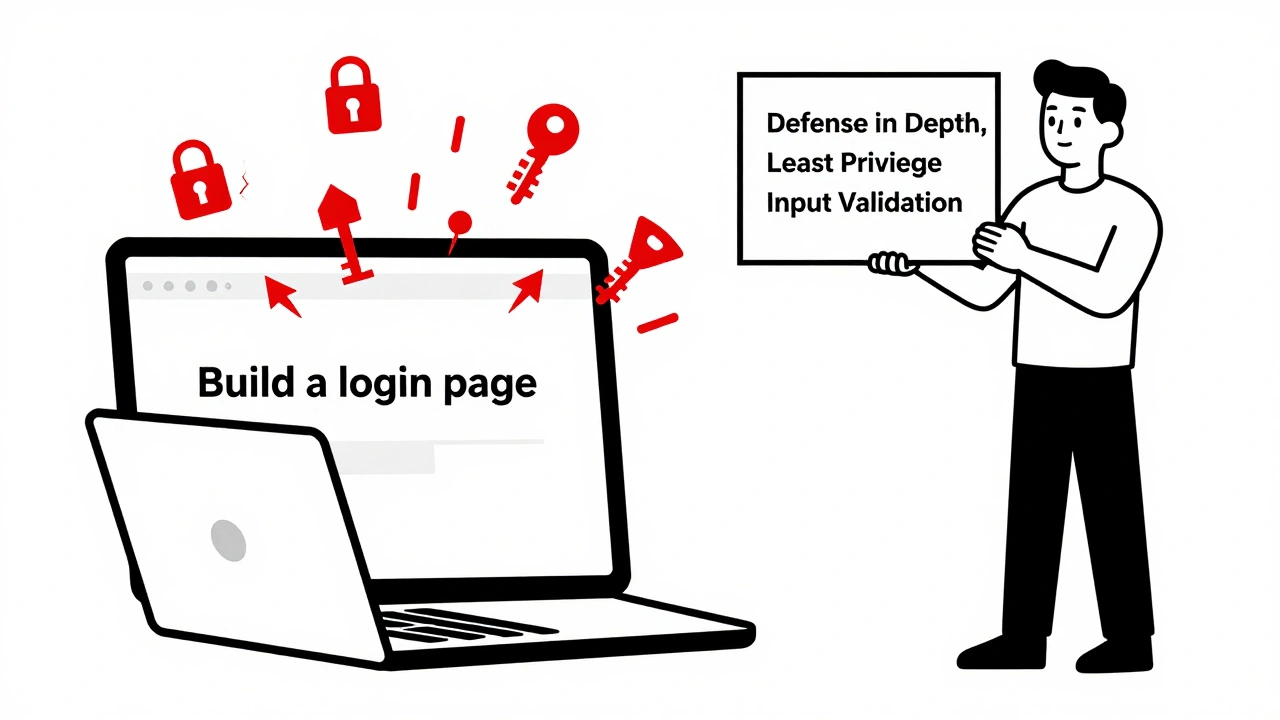
Learn how to use secure prompting to make AI-generated code safer. Discover proven templates, rules files, and techniques that reduce vulnerabilities by up to 68% in vibe coding workflows.
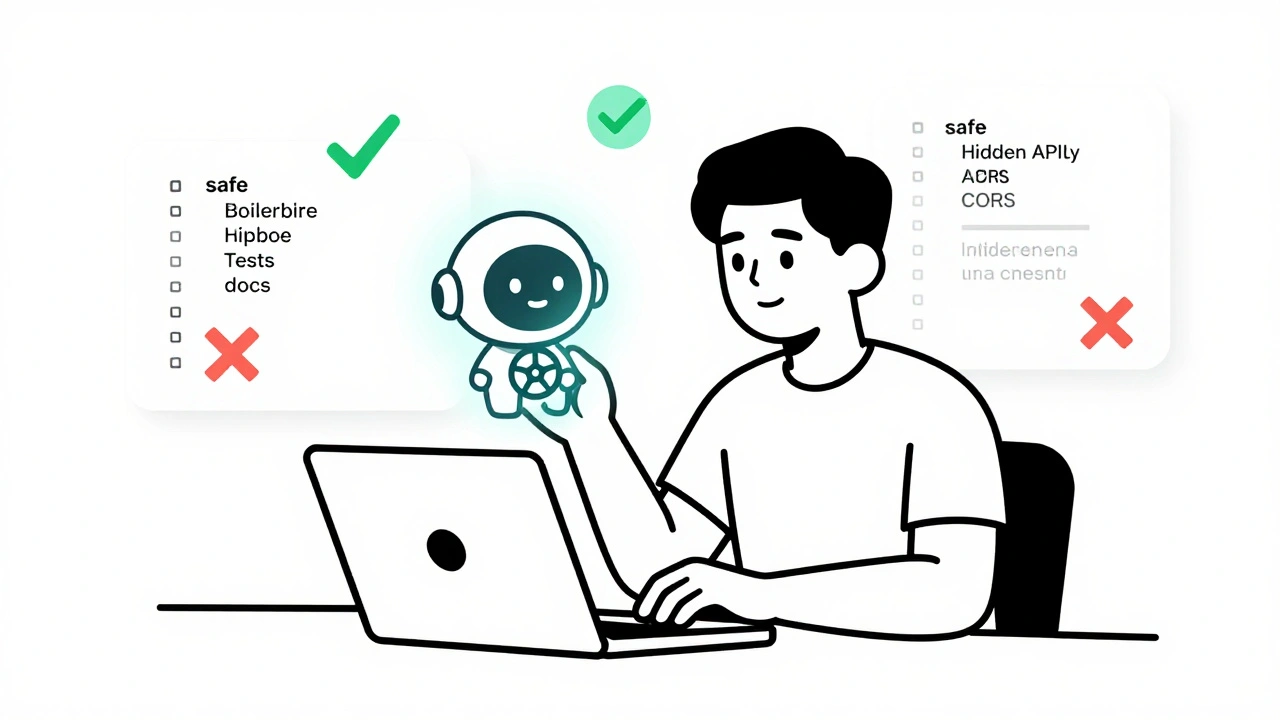
Learn what to allow, limit, and prohibit in AI-assisted vibe coding policies to prevent security breaches, ensure compliance, and keep your team productive in 2025.
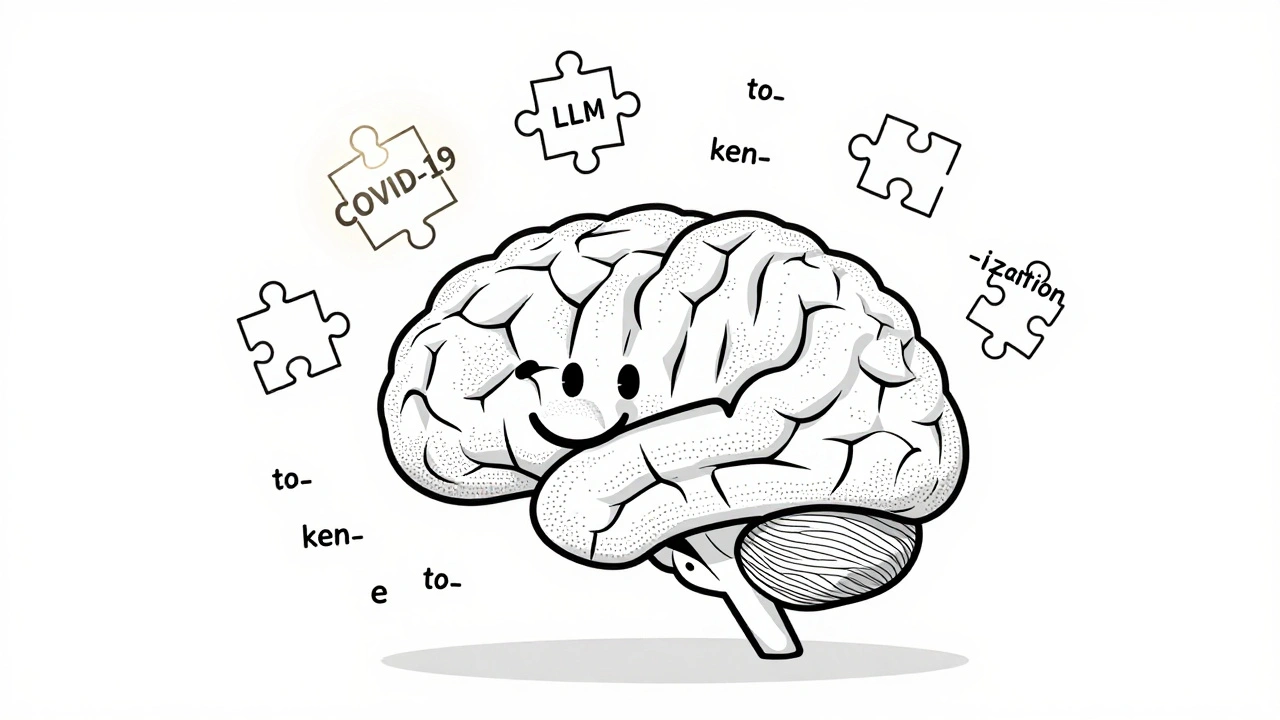
Despite the rise of massive language models, tokenization remains essential for accuracy, efficiency, and cost control. Learn why subword methods like BPE and SentencePiece still shape how LLMs understand language.
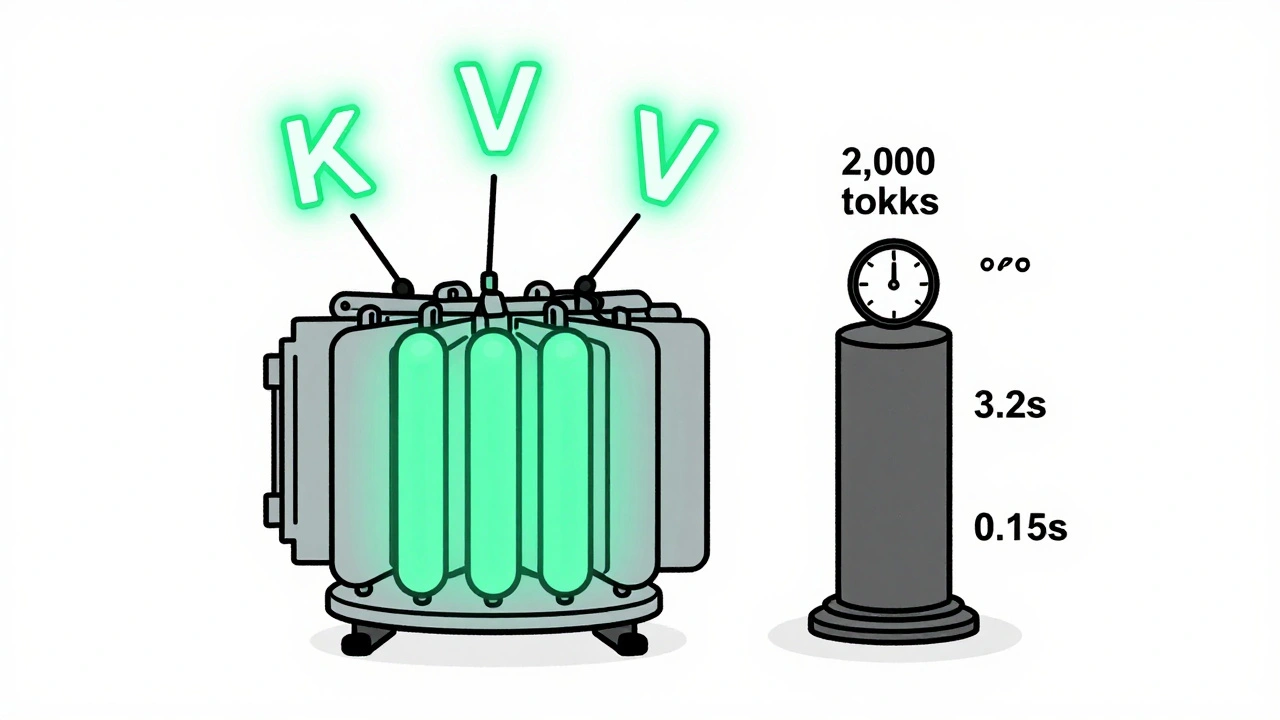
KV caching and continuous batching are essential for fast, affordable LLM serving. Learn how they reduce memory use, boost throughput, and enable real-world deployment on consumer hardware.
Categories
 Artificial Intelligence
Archives
Recent-posts
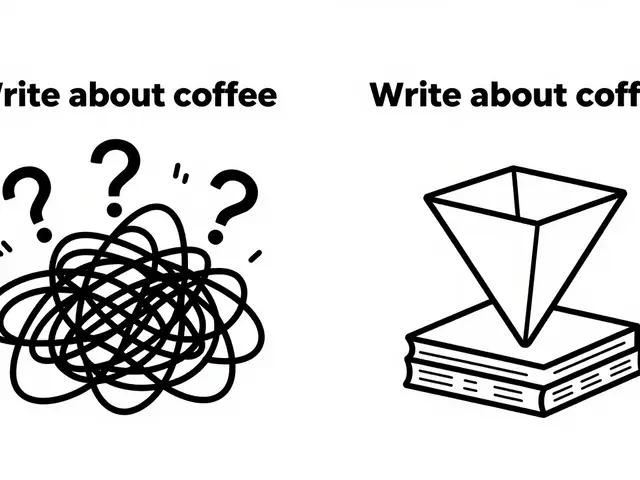
How to Write Clear Instructions for LLMs: A Practical Guide to Better AI Output
May, 22 2026

Prompt Length vs Output Quality: Why Shorter Prompts Often Win in LLMs
May, 3 2026
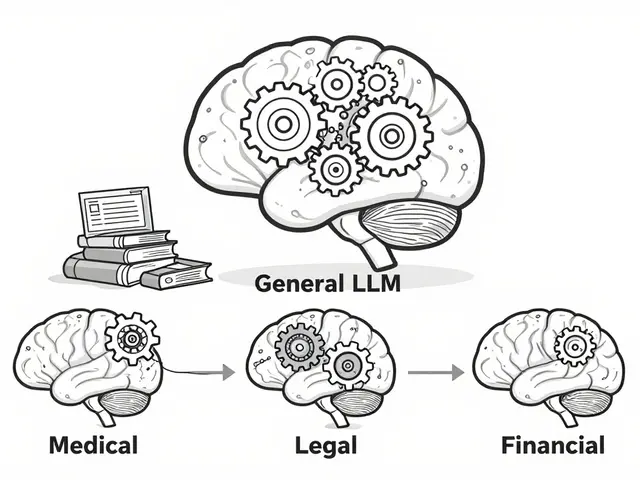
Domain Adaptation in NLP: Fine-Tuning Large Language Models for Specialized Fields
Feb, 24 2026

Allocating LLM Costs Across Teams: Chargeback Models That Actually Work
Jul, 26 2025

How Non-Developers Use Vibe Coding to Launch Real Applications in 2026
Jul, 13 2026