
Category: Artificial Intelligence - Page 12

Discover the key design patterns like Vertical Slice Architecture and Context Engineering that make LLM-assisted vibe coding successful and maintainable.

Learn how schema-constrained prompts force LLMs to output valid JSON by restricting token generation. Explore tools, trade-offs, and best practices for reliable structured data.

Explore how to measure data quality for LLM training using heuristic and model-based filters. Learn about cascaded pipelines, cost trade-offs, and best practices for cleaning massive datasets.
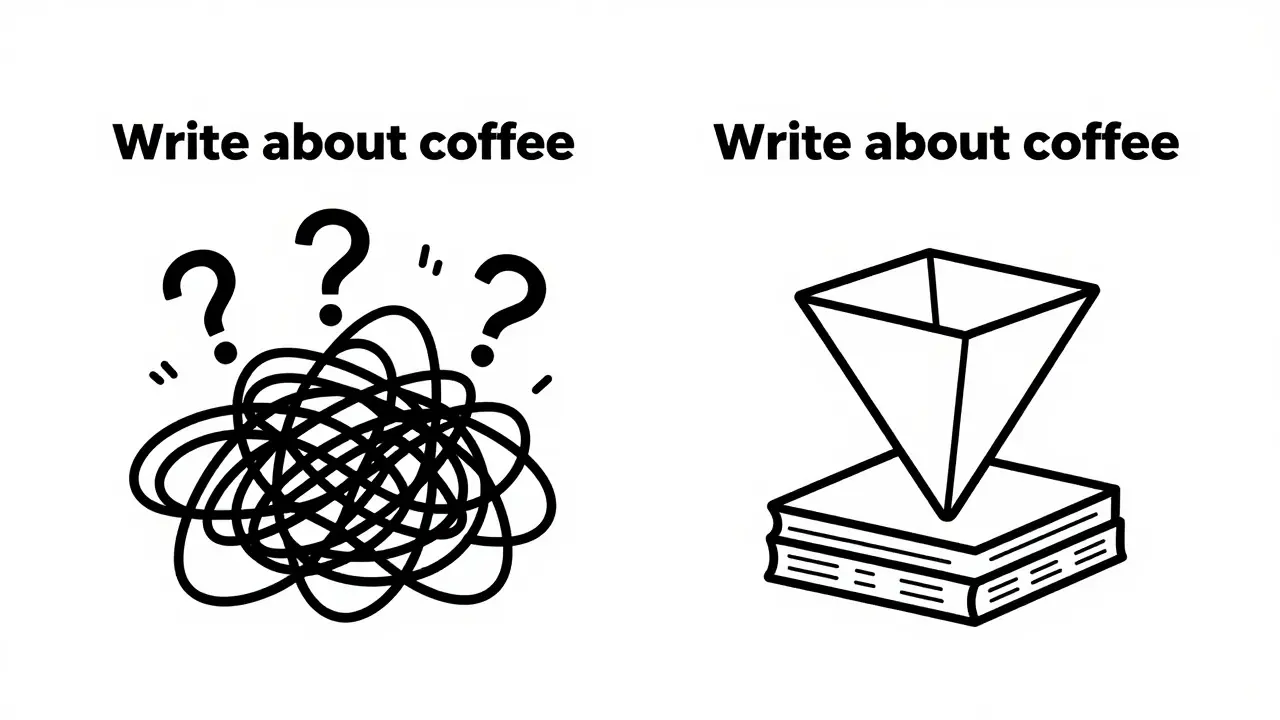
Master prompt engineering with clear, specific instructions. Learn how to use context, constraints, and examples to boost LLM output quality and accuracy.

Learn how to use constraints-driven prompts to enforce performance budgets and accessibility rules like WCAG 2.1 AA in AI systems.
Discover how dropping token costs in Generative AI are transforming business economics. Learn practical strategies to optimize spending, unlock scalable use cases, and leverage new infrastructure trends in 2026.

Explore how generative AI transforms curriculum design, assessment, and tutoring in 2026. Discover top tools, ethical challenges, and strategies for effective integration in modern education.
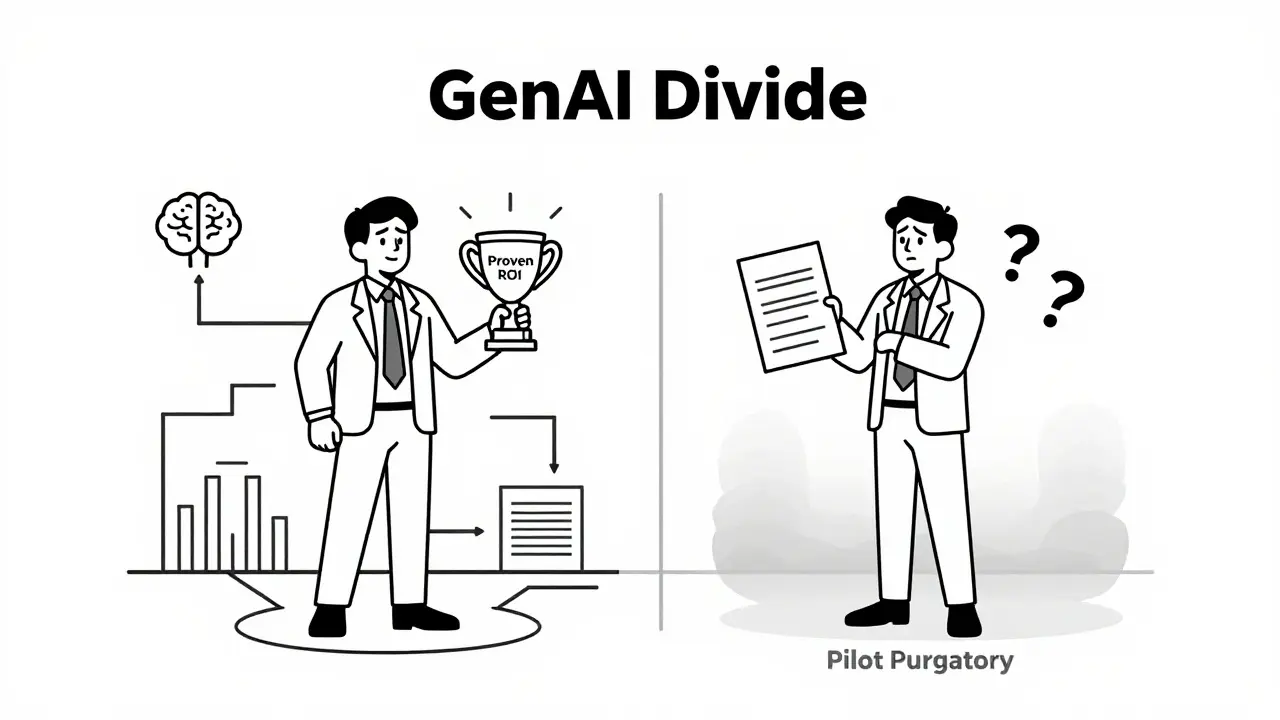
Discover why 95% of companies fail to prove Generative AI ROI and how to fix it. Learn advanced attribution methods like counterfactual analysis to isolate AI effects from market noise.
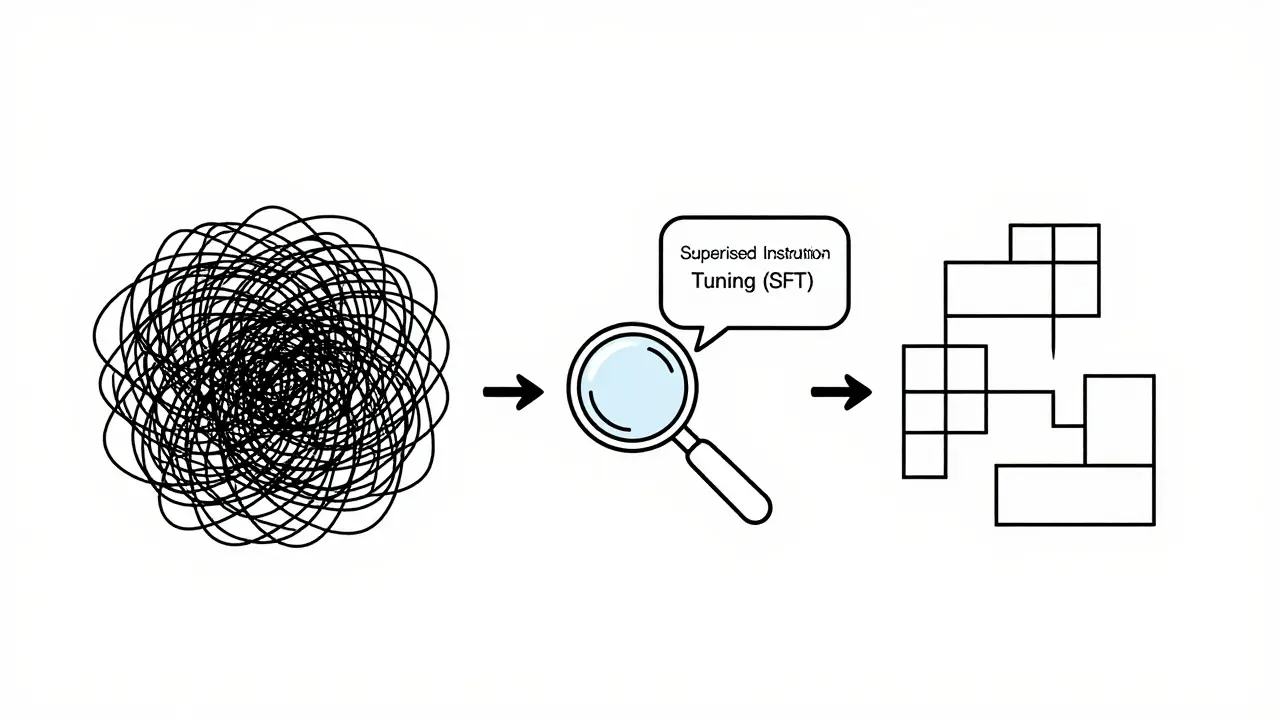
Explore how next-gen LLMs master instruction following through SFT, DPO, AutoIF, and activation steering. Learn why models like GPT-4 and Llama-3 excel at complex tasks and what's next for AI alignment.
Learn how Human-in-the-Loop (HitL) review systems catch AI hallucinations before they reach users. Explore best practices, costs, and regulatory requirements for effective enterprise AI oversight.

Learn how to secure AI-generated code with branch protection rules covering SAST, SCA, secrets scanning, and supply chain defenses against hallucinations and typosquatting.

Discover how interactive clarification prompts in generative AI reduce hallucination risk by asking users targeted questions before answering. Learn why this shift from guessing to collaborating improves accuracy and user satisfaction.
Categories
 Artificial Intelligence
Archives
Recent-posts

Practical Applications of Generative AI: A 2026 Industry Guide
Mar, 30 2026
Procurement Checklists for Vibe Coding Tools: Security and Legal Terms You Can't Ignore
Jan, 21 2026

How to Set Performance Budgets and Accessibility Rules in AI Prompts
May, 21 2026
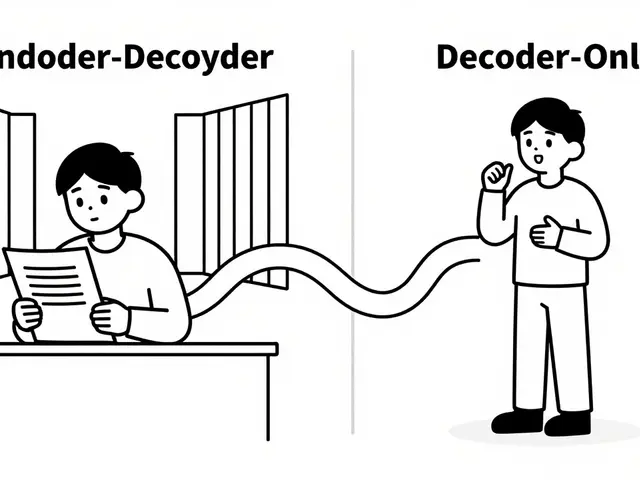
Encoder-Decoder vs Decoder-Only Transformers: Choosing the Right Architecture for Your LLM
Jul, 18 2026
Continual Learning in Generative AI: How to Adapt Models Without Catastrophic Forgetting
Jul, 3 2026