
Category: Artificial Intelligence - Page 9

Explore how combining RAG with decoding strategies like LoRAG and Layer Fused Decoding reduces LLM hallucinations and boosts factual accuracy in AI responses.

Explore how Large Language Models enhance safety in regulated industries like construction and healthcare. Learn about use cases, security challenges, and the three principles for deploying regulatory-grade AI safely.
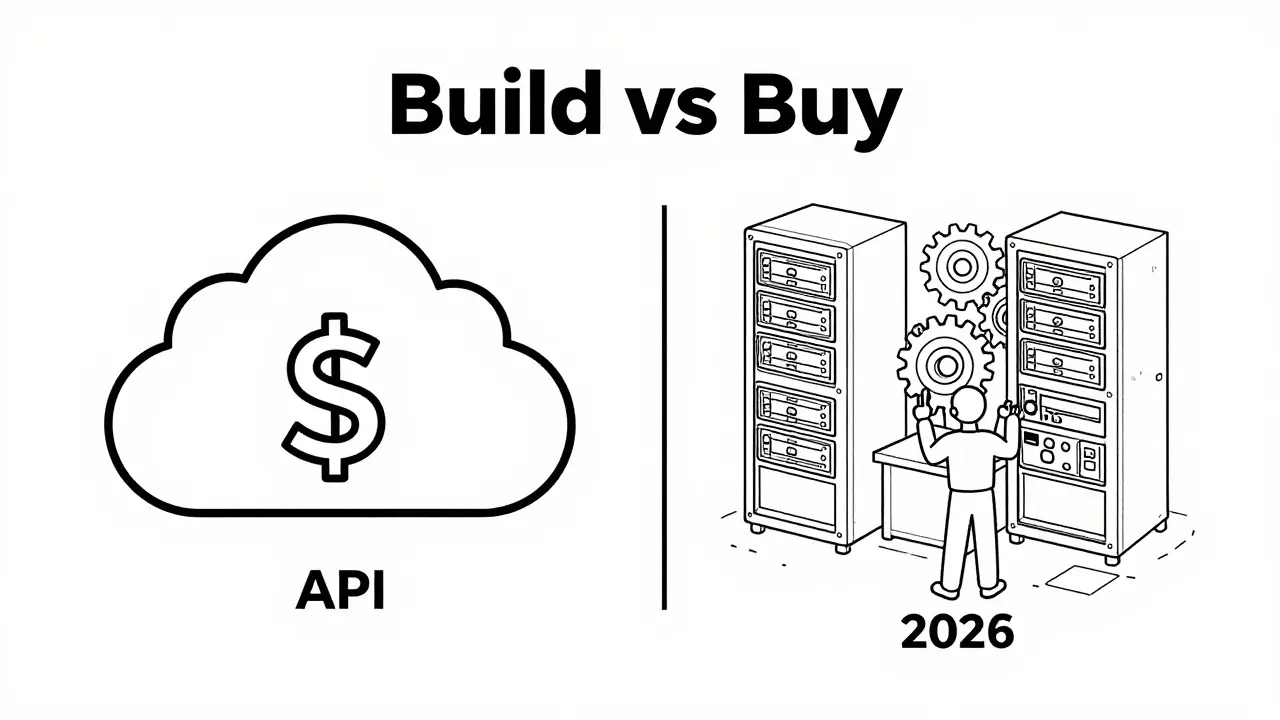
Explore 2026 generative AI cost models: compare build vs buy strategies, understand token pricing tiers, and optimize GPU infrastructure for better ROI.

Discover how few-shot prompting boosts LLM accuracy by 15-40%. Learn strategies for selecting examples, avoiding over-prompting, and combining with chain-of-thought for consistent results.

Protect your AI's memory. Learn how to secure vector databases against semantic leakage and re-identification attacks in 2026.

Explore how continual learning prevents catastrophic forgetting in generative AI. Learn about experience replay, EWC, and Google's Nested Learning to build adaptive models that retain past knowledge.
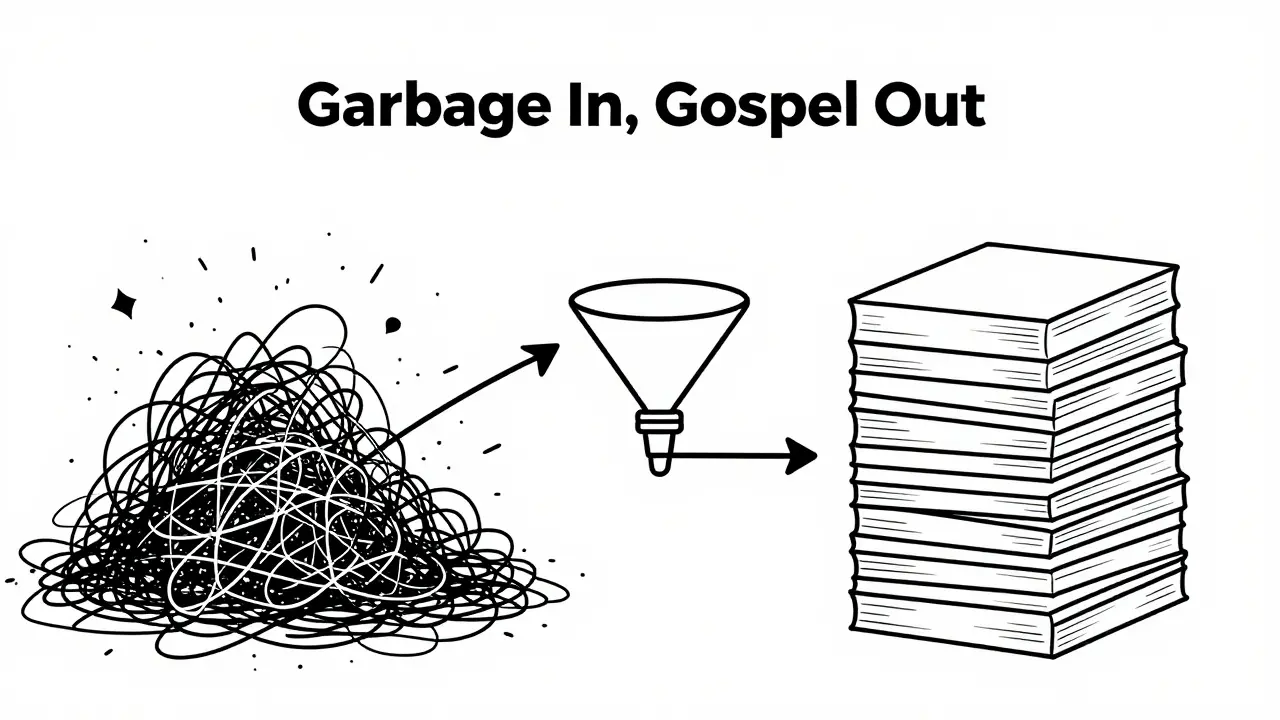
Learn how to build high-quality AI training data without bias. Explore curation workflows, synthetic data, and hybrid methods for reliable generative AI.

Discover the truth about LLM citations. Learn why AI sources are often fake, how to verify them, and what the latest 2025-2026 research says about reliability.

Learn how to stop AI hallucinations using constraints, extractive answers, and strict prompting techniques. A practical guide to getting accurate, verified data from Generative AI.

Explore how LLM agents transform workflow automation by combining reasoning with execution. Learn when to use agentic AI vs traditional RPA, implementation strategies, and key risks.

Explore security and privacy reviews for LLM integrations in regulated sectors like healthcare and finance. Learn about private deployments, SLMs, and hybrid strategies to ensure GDPR and HIPAA compliance.

Learn how to apply data minimization strategies for generative AI. Discover techniques like differential privacy, synthetic data, and masking to protect user privacy while maintaining model performance.
Categories
 Artificial Intelligence
Archives
Recent-posts
Predicting Performance Gains from Scaling Large Language Models
Mar, 15 2026

Community Resources for New Vibe Coders: Courses, Templates, and Forums
Jul, 6 2026

Boosting LLM Accuracy: Combining RAG with Advanced Decoding Strategies
Jul, 9 2026

LLM Budgeting & Forecasting: A Practical Guide for 2026
May, 29 2026

How Generative AI Improves Customer Service: Chatbots, Virtual Agents, and Knowledge Automation
Aug, 5 2026