
Category: Artificial Intelligence - Page 7
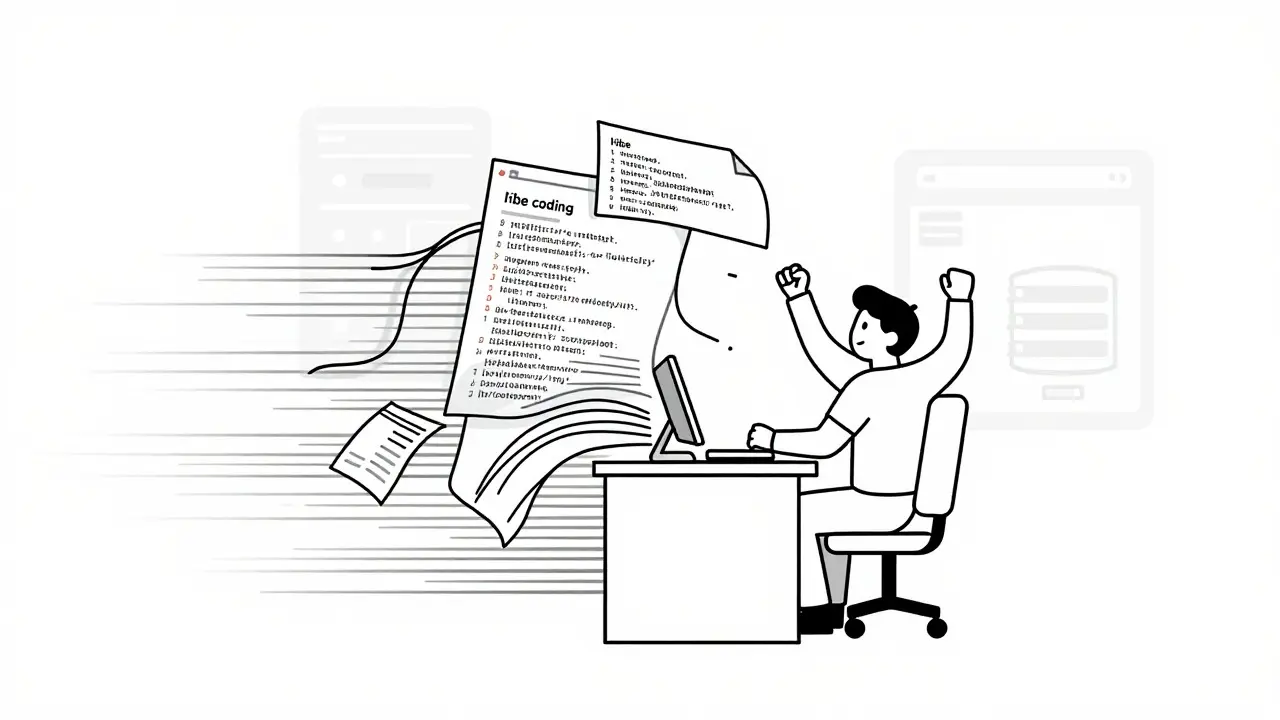
Shadow AI and vibe coding pose severe risks to enterprise security in 2026. Learn how to govern unofficial AI adoption using ISO 42001 standards, visibility tools, and effective code review strategies.

Explore how cross-lingual transfer enables LLMs to master new languages without retraining. We analyze strengths, limits, and benchmarks like XTREME and XLM-R.
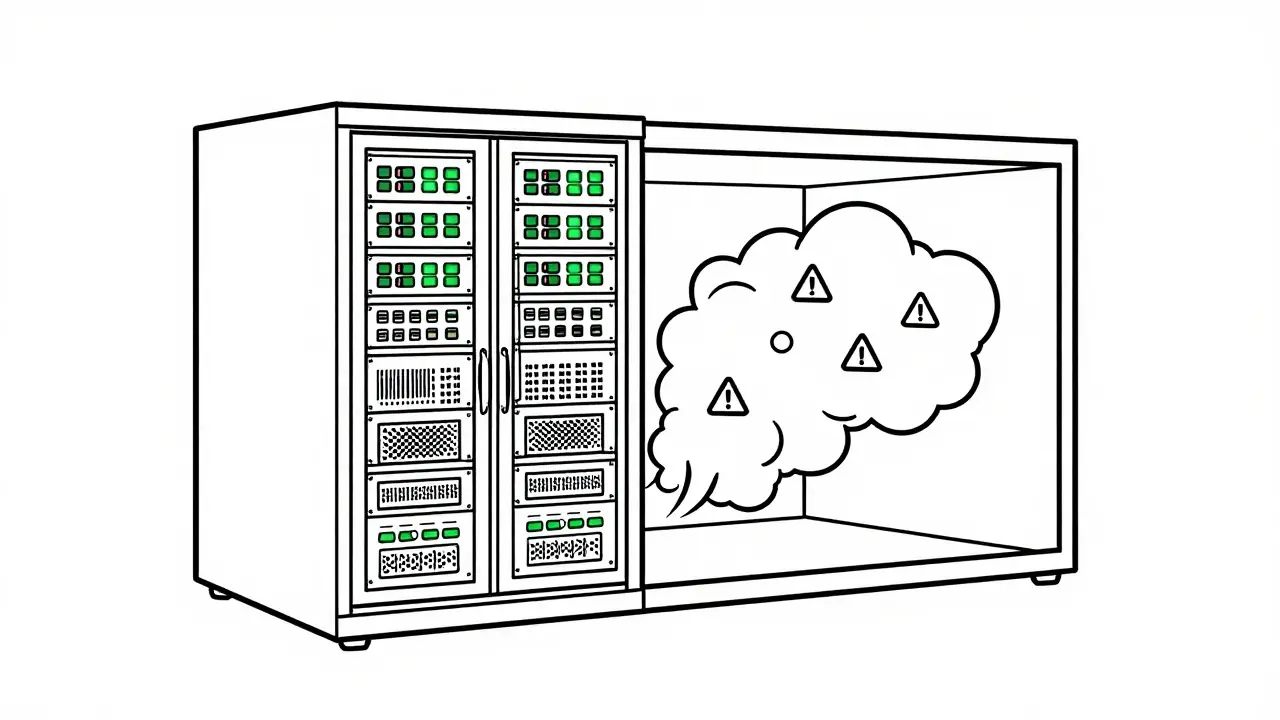
Learn how to detect and prevent silent failures in GPU-backed LLM services using advanced health checks, key metrics like SM efficiency, and best practices for monitoring stacks.

Explore the shift from static benchmarks to Evaluation 2.0 for Generative AI. Learn how adaptive rubrics and live tasks improve accuracy, safety, and real-world performance.
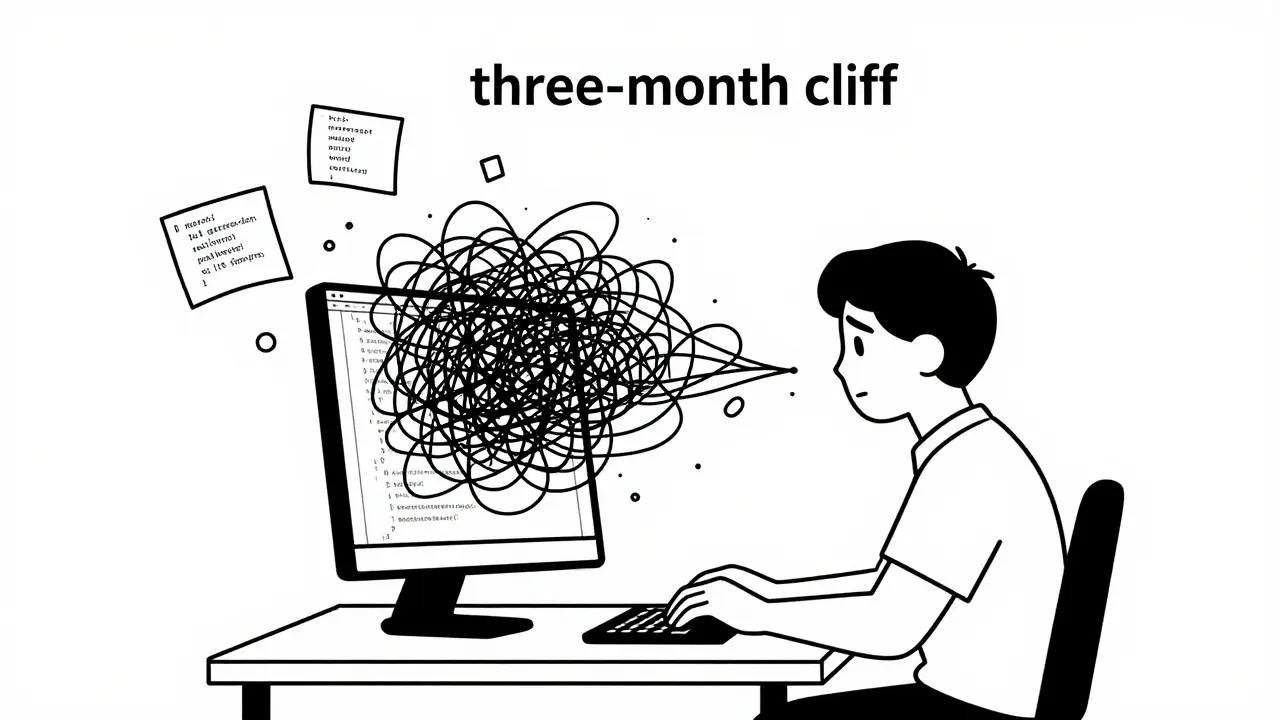
Vibe coding promises rapid app creation via AI, but hits major walls in security, scalability, and maintenance. Discover why AI-generated code struggles beyond prototypes.

Explore how Generative AI transforms legal operations in 2026. Learn about automated contract review, intelligent redlining, and the power of playbooks to boost efficiency and reduce risk.
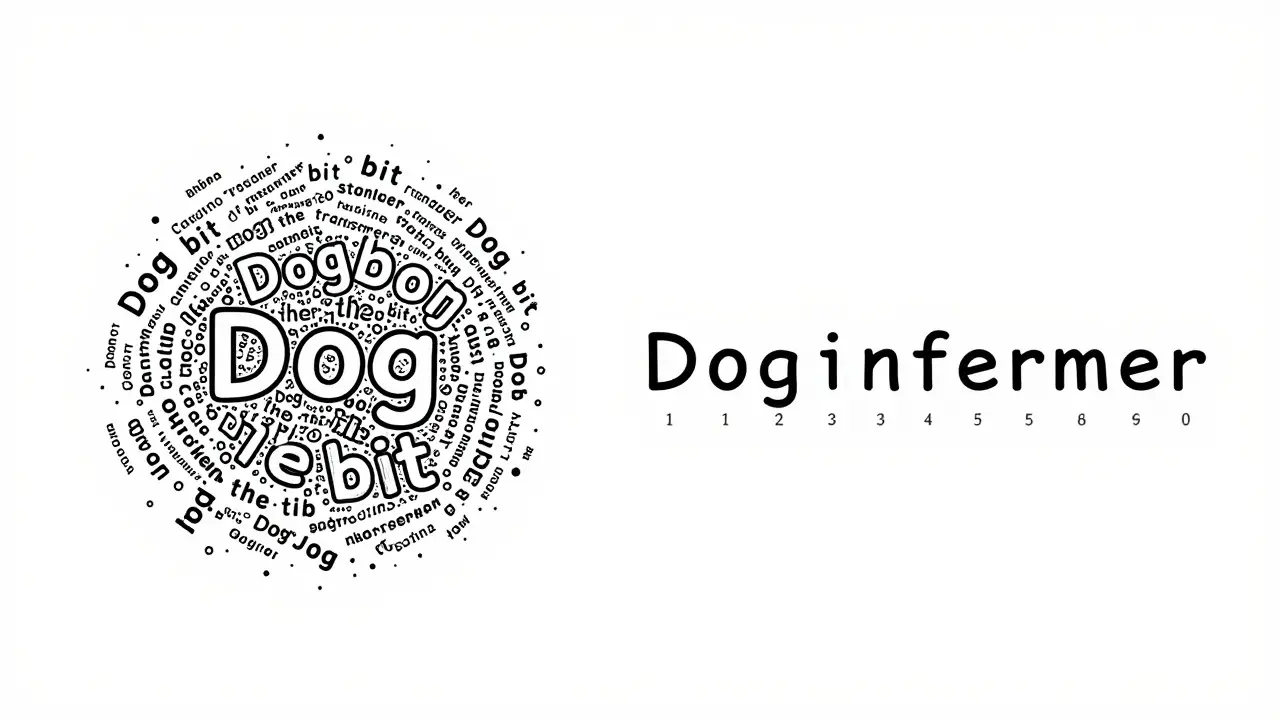
Explore the evolution of positional encoding in Transformers. Compare sinusoidal vs learned embeddings and discover why modern LLMs adopt RoPE and ALiBi for superior long-context performance.
Learn how product managers use vibe coding to build functional prototypes in hours. Discover workflows, risks, and tools like Lovable and Wisary for rapid AI-assisted validation.

Explore how Vision-Language Models align embeddings for joint understanding. Learn about contrastive vs. generative approaches, Harvard's 2025 findings on Bridge Scores, and practical tips for implementing multimodal AI.
Learn how Hybrid Search combines semantic and keyword retrieval to fix RAG failures. Discover BM25, vector fusion techniques, and benchmarks for accurate LLM context.

Explore how 2026's breakthroughs in TTT-E2E and Titans architecture are solving the context wall problem, enabling AI to remember millions of tokens with precision.
Learn how synthetic data generation with differential privacy protects user data in LLM training. Explore LoRA fine-tuning, GDPR compliance, and real-world applications in healthcare and finance.
Categories
 Artificial Intelligence
Archives
Recent-posts
GDPR and CCPA in Vibe-Coded Systems: Data Mapping and Consent Flows
Jul, 19 2026
Developer Sentiment Surveys on Vibe Coding: What to Ask and Why
Mar, 25 2026

Prompt Chaining in Generative AI: A Guide to Reliable Multi-Step Tasks
Sep, 13 2026

Productivity Baselines Before Generative AI: Designing Fair Comparisons
Jun, 4 2026
Private Prompt Templates: How to Prevent Inference-Time Data Leakage in AI Systems
Aug, 10 2025