
Category: Artificial Intelligence - Page 4

Discover how Multi-Head Attention enables LLMs to analyze language from parallel perspectives. Learn its mechanics, benefits, and future trends.

Discover why large language models struggle with low-resource languages and how transfer learning techniques like CSCL and knowledge distillation bridge the gap. Learn about model comparisons, implementation challenges, and the future of multilingual AI.

Discover how standards like MCP and LLMOps are solving generative AI interoperability challenges. Learn why 78% of new projects use open protocols to cut integration time and ensure regulatory compliance.

Discover how technical and institutional guardrails combat fabricated citations in Generative AI. Learn about RAG, DOI verification, and data governance.

Learn how ethical review boards govern generative AI projects. Discover the 7-step process, key evaluation criteria, and outcomes for responsible AI.

Explore how dataset bias affects multimodal generative AI. Learn about misrepresentation, detection methods, and mitigation strategies like SMOTE and CA-GAN.

Learn how to accurately measure Generative AI adoption using telemetry, surveys, and outcome tracking. Discover benchmarks, common pitfalls, and strategies to calculate true ROI for your organization.

Learn how to optimize LLM training with exact, fuzzy, and semantic deduplication. Discover practical pipelines using MinHash, LSH, and embeddings to boost model efficiency and accuracy.

Explore ethical guidelines for vibe coding as it scales. Learn how to manage security risks, IP ambiguities, and bias in AI-generated code while empowering non-technical creators.

Discover how hybrid cloud architectures optimize LLM serving by balancing on-prem security with cloud scalability. Learn key patterns, tech stacks, and pitfalls.
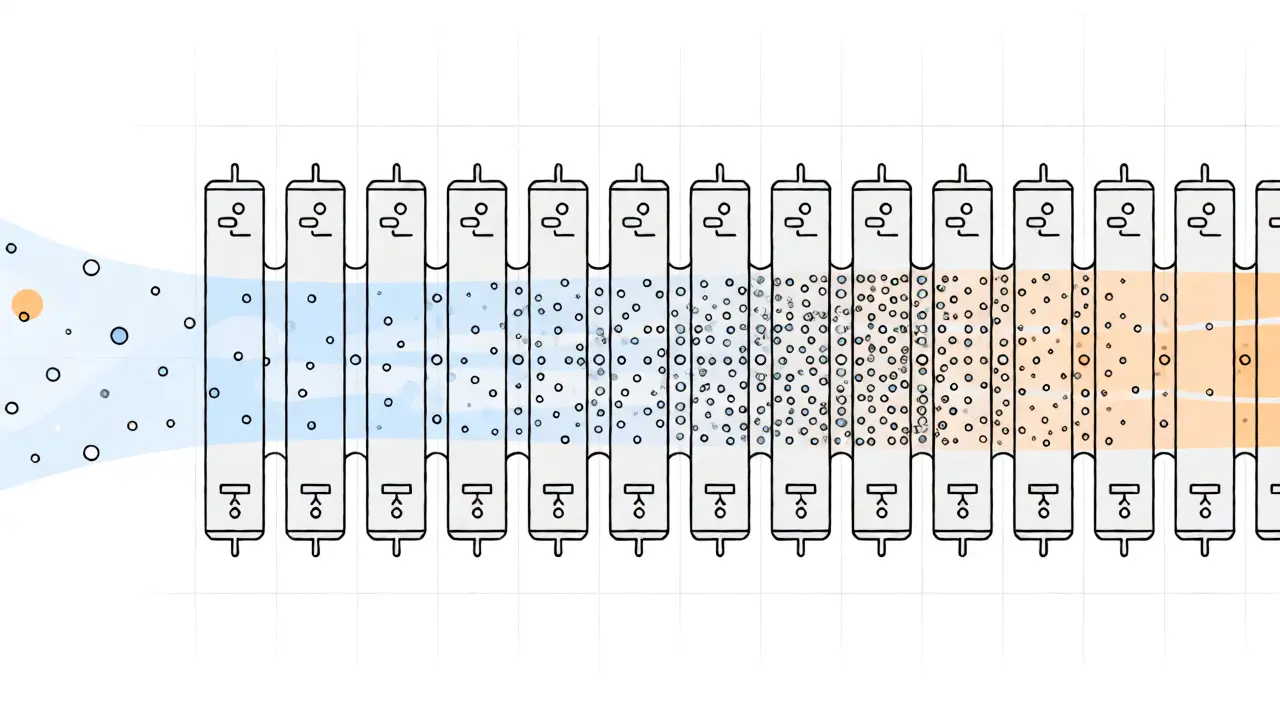
Discover why LLMs stack identical transformer blocks. Learn how depth builds hierarchical abstractions from syntax to reasoning, and why repetition ensures trainability.

Discover how autoregressive text generation powers modern LLMs. Learn about next-token prediction, causal modeling, and decoding strategies like temperature and top-p.
Categories
 Artificial Intelligence
Archives
Recent-posts

Guarded Tool Access: Sandboxing External Actions in LLM Agents
Mar, 2 2026

Template Repos with Pre-Approved Dependencies for Vibe Coding: Setup, Best Picks, and Real Risks
Feb, 20 2026

Architectural Innovations Powering Modern Generative AI Systems
Jan, 26 2026
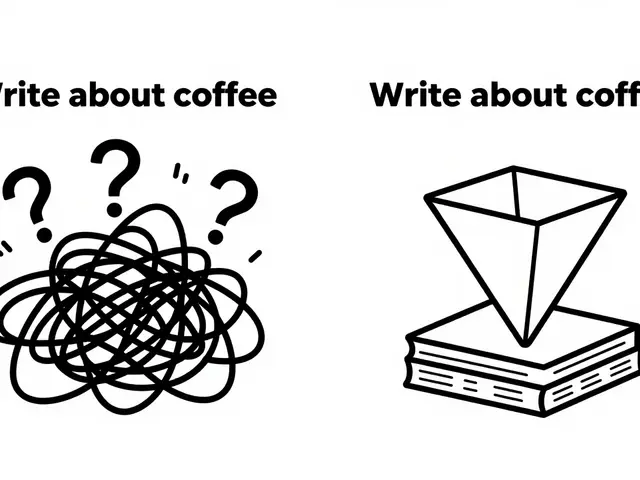
How to Write Clear Instructions for LLMs: A Practical Guide to Better AI Output
May, 22 2026

Token Probability Calibration in Large Language Models: How to Fix Overconfidence in AI Responses
Jan, 16 2026