
PCables AI Interconnects - Page 10
Learn how to restore accuracy in compressed LLMs using local reconstruction, EoRA, and post-quantization fine-tuning. Avoid costly full retraining with these efficient recovery techniques.
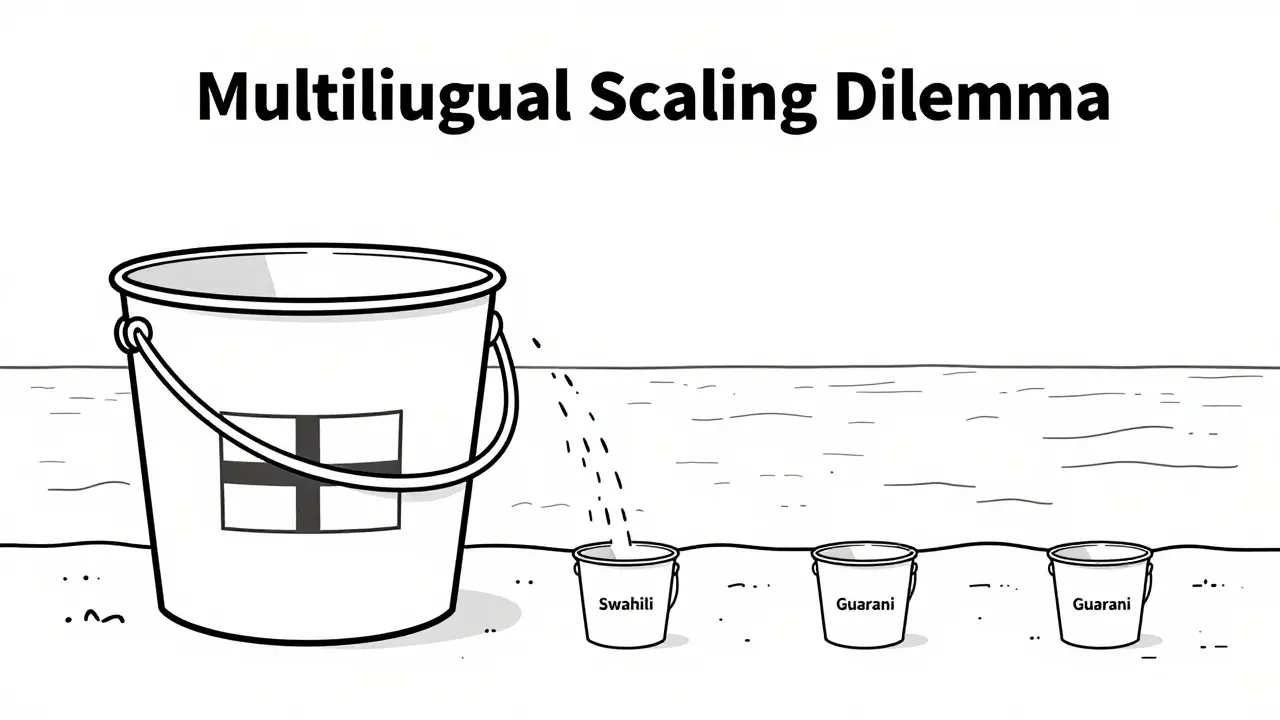
Learn how to scale multilingual LLMs effectively using data balance strategies. Discover optimal sampling ratios, cross-lingual transfer limits, and implementation tips for equitable language performance.

Learn how to build robust enterprise data governance for LLM deployments. Covers compliance, unstructured data management, and key tools like Microsoft Purview.
Explore the vibe coding market forecast through 2030. Discover adoption scenarios, growth projections, and key challenges for AI-driven software development.

Learn how to balance software governance and developer velocity. Discover dos and don'ts for platform teams to implement guardrails, not gates, using automation and clear communication.
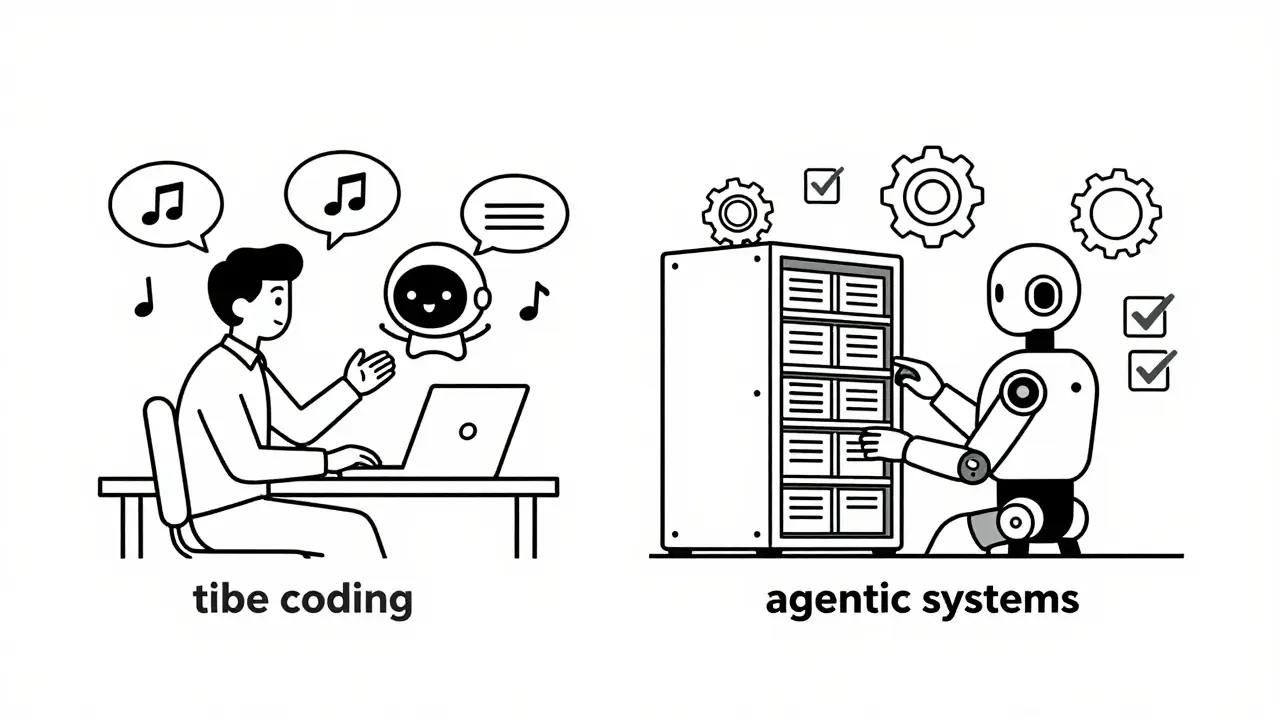
Compare vibe coding and agentic systems to choose the right AI autonomy level for your projects. Learn when to use conversational AI vs autonomous agents for speed, scale, and safety.
Learn how to optimize generative AI models using AdamW, cosine learning rate schedules, and gradient scaling. This guide covers practical techniques for stable training and better convergence.
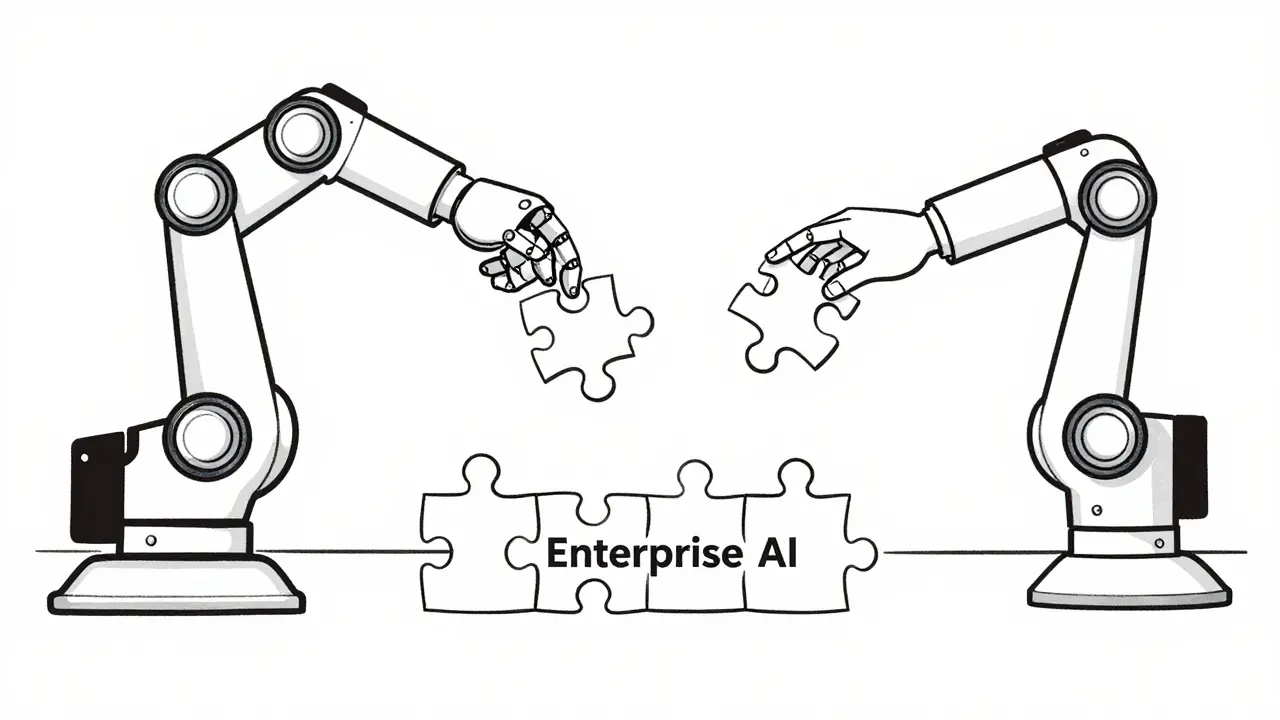
Learn how Human-in-the-Loop (HITL) workflows enhance fine-tuned LLMs by integrating human judgment for higher accuracy, compliance, and trust in enterprise AI applications.

Discover how Generative AI boosts contact center ROI by cutting handle time, raising CSAT, and improving First Contact Resolution. Learn real metrics, implementation tips, and future trends.
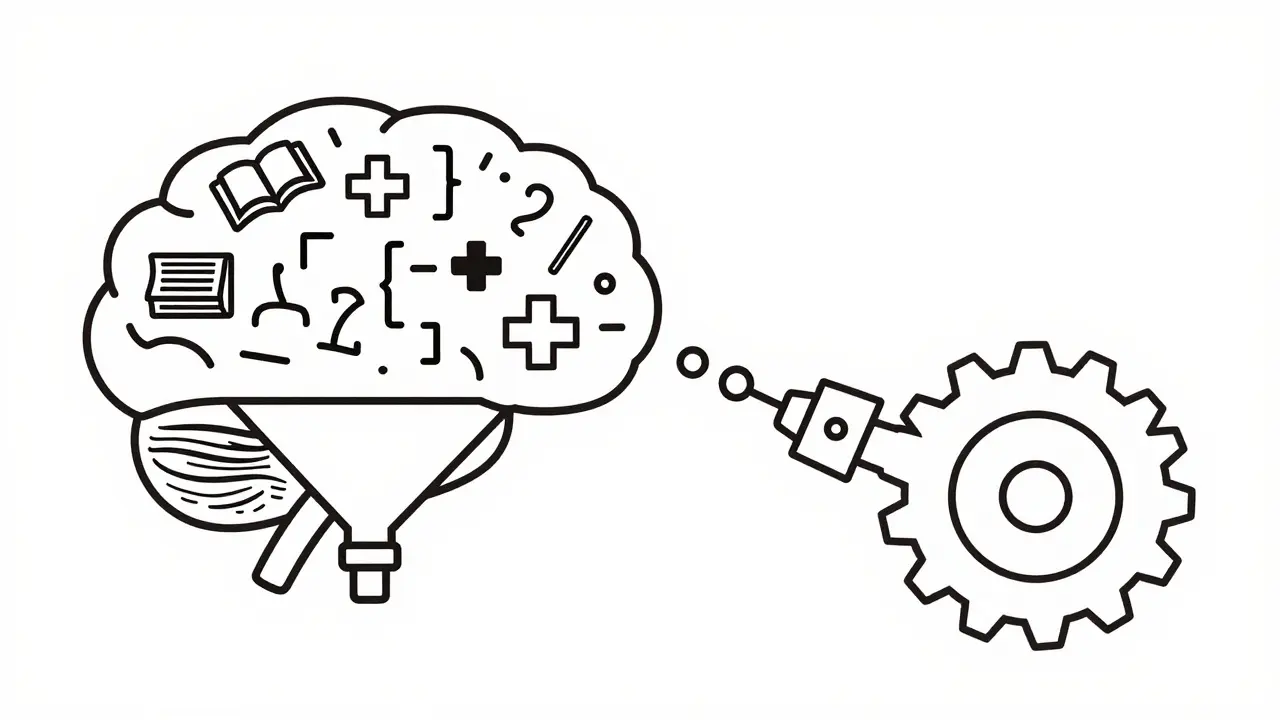
Discover how Large Language Models excel through transfer learning, generalization, and emergent abilities. Learn why scaling matters and how to efficiently fine-tune models.
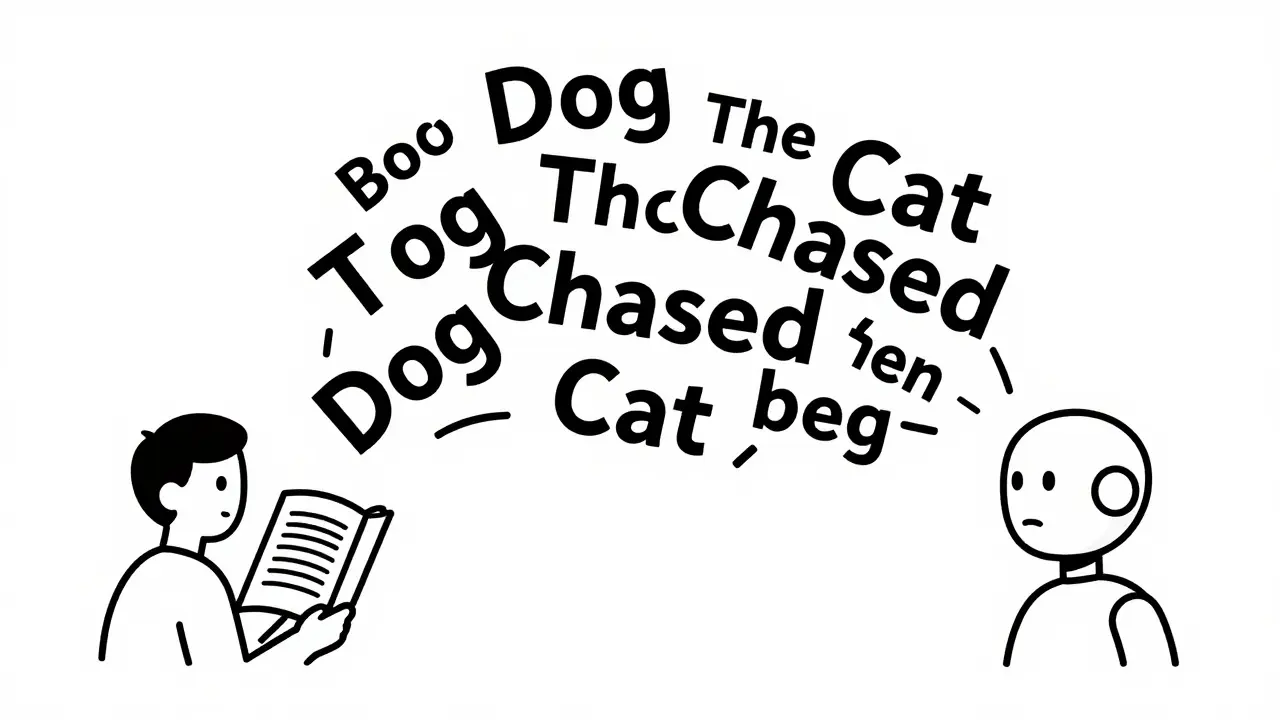
Discover how positional encoding solves the order-blindness of Transformers. Learn about sinusoidal, learned, and RoPE methods that enable LLMs to understand context and sequence.

Explore how Mixture-of-Experts (MoE) architectures cut AI costs by up to 16x while managing memory and quality tradeoffs. Learn when to use MoE vs. Dense models.
Categories
 Artificial Intelligence
Archives
Recent-posts
Dataset Bias in Multimodal Generative AI: Representation Across Modalities
Sep, 7 2026

How Large Language Models Capture Semantics and Syntax through Self-Supervision
May, 12 2026
Community and Ethics for Generative AI: How Transparency and Stakeholder Engagement Shape Responsible Use
Mar, 22 2026
Self-Hosting LLMs: Security & Compliance Guide for Regulated Industries
Sep, 26 2026
Data Curation for Generative AI: Building High-Quality Corpora Without Bias Amplification
Jul, 2 2026